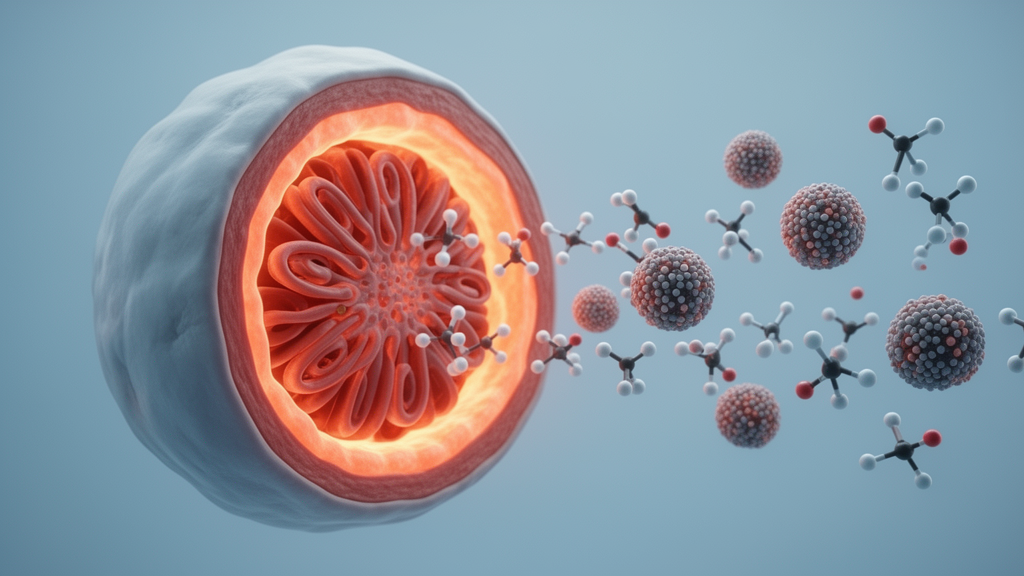
Autoimmune disease often begins long before a patient feels anything wrong, and in the kidneys that silent opening act can decide how much permanent damage follows. Researchers at the University of Osaka have now mapped the earliest cellular events of ANCA-associated glomerulonephritis, a kidney inflammation driven by anti-neutrophil cytoplasmic antibodies, and shown in a mouse model that modified antibodies can interrupt the process before severe injury takes hold. The study, published in the Journal of Experimental Medicine, offers a potential strategy for stopping the disease at its inception rather than managing its consequences.
ANCA-associated glomerulonephritis is one of the most serious manifestations of ANCA-associated vasculitis, a group of autoimmune conditions in which the body produces antibodies against proteins normally found in neutrophils, the rapidly responding white blood cells that form the first line of defense against infection. When these autoantibodies bind neutrophils, they can push the cells into a destructive state in which they attack the small blood vessels of the kidney’s filtering units, the glomeruli. The resulting inflammation destroys kidney tissue and can progress rapidly to organ failure. Although treatment options have improved in recent years, current therapies rely heavily on broad immunosuppression, which carries risks ranging from serious side effects of prolonged use to outright treatment failure.
Lead author Masayuki Nishide explains why the kidney makes such a valuable window into the autoimmune process. In ANCA-associated glomerulonephritis, the kidneys are frequently involved, which makes the organ an excellent candidate for studying the initial steps of the autoimmune disease sequence. Yet until now, little was known about the order of events that unfold in the earliest phase of the disease, precisely the stage at which an intervention could prevent the most damage.
To reconstruct that sequence, the researchers compared kidney samples from healthy donors with samples from patients with ANCA-associated glomerulonephritis who had not yet received treatment. Using spatial transcriptomics, a cutting-edge technology that reads out gene activity across a tissue while preserving the physical organization of the cells, they studied the progression of the disease in its native cellular context. This approach matters because autoimmune injury is not just about which cells are present but about where they sit relative to one another, and conventional methods that break tissue apart lose exactly that information.
The comparison produced a striking result. Diseased kidneys showed more cellular damage than normal ones, but the changes went deeper than expected. Senior author Atsushi Kumanogoh notes that the team was surprised to find that even in tissue that appeared normal under standard examination, changes could still be detected at the cellular level. The goal, he says, was to investigate exactly how the disease unfolds in the early stage so that it could be stopped before significant damage is done.
The spatial maps revealed a specific pathogenic architecture. Injured proximal tubular epithelial cells, the kidney cells that line the tubules and perform much of the organ’s reabsorptive work, send out signals that attract immune cells, including neutrophils. The accumulating neutrophils cluster around the damaged epithelial cells, forming a local microenvironment the researchers term a neutrophil–epithelial niche. Within this niche, the two cell populations reinforce each other: the injured epithelial cells recruit and stimulate the neutrophils, and the activated neutrophils drive the spread of inflammation through the surrounding kidney tissue. Excessive neutrophil activation emerged as a key feature of early disease, positioning these cells not as innocent bystanders but as central engines of the injury process.
That insight suggested a specific molecular target. Neutrophil activation in this disease depends on Fcγ receptors, the cell-surface proteins that recognize the tail region of antibodies and translate antibody binding into cellular responses. In ANCA-associated glomerulonephritis, stimulation of Fcγ receptors by the disease autoantibodies is integral to the development of the inflammatory process. The researchers therefore engineered modified antibodies designed to minimize stimulation of these receptors, aiming to dampen neutrophil activation without eliminating the cells altogether.
To test the approach, the team replicated the kidney injury in a mouse model of the disease and treated the animals with the modified antibodies. The results were promising: the engineered antibodies successfully reduced kidney injury in the model. By quieting the Fcγ receptor signals that fuel neutrophil activation, the treatment appears to act on the mechanism that drives the earliest phase of the disease, rather than on downstream inflammation that has already caused tissue destruction.
The findings point to a potential new therapeutic strategy aimed at stopping ANCA-associated glomerulonephritis at its earliest stage, before severe kidney damage develops. Because the approach targets a defined step in the disease mechanism, it could in principle offer patients safer treatments with fewer side effects than the broad immunosuppressive regimens used today. The researchers hope that continued development in this area can translate the mouse-model results into clinical benefit, giving patients new options at the stage of disease where intervention matters most.
The study, titled Epitope-diverse autoantibodies induce neutrophil–epithelial niches driving kidney injury in ANCA-associated glomerulonephritis, involved collaboration with Chugai Pharmaceutical Co., Ltd. Several co-authors are employees of and shareholders in the company, and Atsushi Kumanogoh has received grant support from Chugai Pharmaceutical. The work was conducted at the Immunology Frontier Research Center of the University of Osaka using human tissue samples alongside the experimental mouse studies, and it was published in the Journal of Experimental Medicine with the DOI 10.1084/jem.20260506.
Subject of Research: ANCA-associated glomerulonephritis early disease mechanism and modified antibody treatment
Article Title: Curbing the neutrophil surge: New treatment offers hope for autoimmune diseases
Article References: Curbing the neutrophil surge: New treatment offers hope for autoimmune diseases. Original publication (Bibliographic details unavailable.)
Image Credits: AI Generated
DOI: Not provided
Keywords: ANCA-associated vasculitis, glomerulonephritis, neutrophils, autoimmune disease, spatial transcriptomics, Fcγ receptors, kidney injury, University of Osaka, Journal of Experimental Medicine, modified antibodies, neutrophil–epithelial niche, immunology
News Source: Jerry Hayes. (October 19, 2026). Modified antibodies curb neutrophil surge in early autoimmune kidney disease. Scienmag.