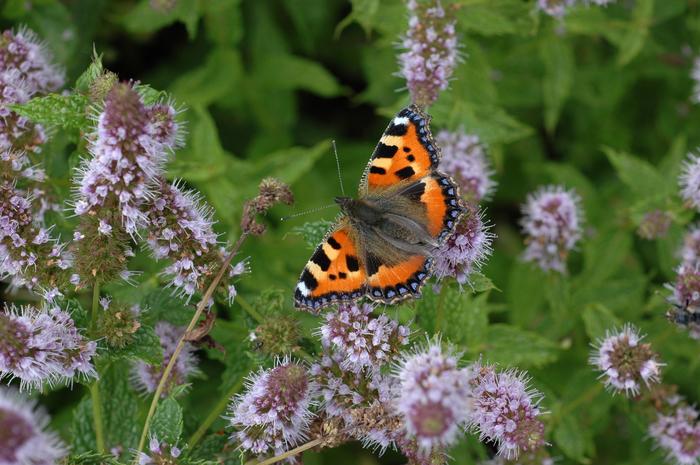
A groundbreaking study conducted across 30 field sites in the southwest UK has revealed the importance of incorporating varied habitats into the landscape at large.
A groundbreaking study conducted across 30 field sites in the southwest UK has revealed the importance of incorporating varied habitats into the landscape at large.
The research, published today in Nature and led by ecologists at the University of Bristol, addresses critical questions in conservation and land management, shedding new light on species interactions and how food chains operate across multiple habitats.
The study found significant differences in food web structures among landscapes with one, two, or three habitats, including a more evenly distributed abundance of species. Multi-habitat landscapes host a higher number of species, including habitat specialists, leading to greater overall biodiversity.
Lead author Dr Talya Hackett, who ran the project from Bristol’s School of Biological Sciences and is currently at University of Oxford, explained: “Conservation and restoration projects increasingly focus on landscape-scale efforts, however, data on species interactions are often limited to specific habitats, such as woodlands, farmland or urban areas.”
The team found that multiple habitats demonstrated enhanced resistance to species loss, offering unexpected insights into ecosystem stability. They also discovered improved ecological functions since multi-habitat landscapes were associated with better pollination services, likely due to the complementary roles of diverse pollinator communities.
Project leader and co-lead author Professor Jane Memmott explained: “Landscapes are more than the sum of their parts; they exhibit properties such as increased buffering against species loss and improved pollination that cannot be predicted from the component habitats.”
The study’s outcomes suggest a shift in conservation strategies. Traditional management plans often focus on specific habitats, such as prairie restoration, wetland creation, or linking the same habitats together. However, the findings underscore the importance of also maintaining multi-habitat landscapes to enhance biodiversity conservation. The interconnectedness of habitats, facilitated by mobile species that depend on multiple environments, creates a more robust and functional ecosystem.
Co-author Dr Alix Sauve, research associate on this project, added: “Knowing how habitats work together is key when acquiring new nature reserves for instance. The landscape context of candidate sites should be considered to leverage ecosystem functioning and their stability in the long run.”
Researchers compared the structure and function of food webs in landscapes with varying numbers of habitats. The study involved sampling plants, herbivorous insects, and their parasitoids, as well as pollinators, across six different habitat types. Over 11,000 species interactions were documented. A field experiment further assessed pollination efficiency using wild strawberries as a test plant, revealing the positive impact of habitat diversity on pollination.
The team now plans to explore the effects of specific habitat combinations and their compatibility. Further research may also examine other ecological functions, such as seed dispersal and decomposition, in multi-habitat landscapes. These studies could also have significant implications for agricultural practices, potentially enhancing food production and pest control, and ecosystem health.
This study highlights the complex and interdependent nature of ecosystems at the landscape scale.
Professor Memmott concluded: “Mobile species effectively glue the various habitats together, underscoring the intricate connections that sustain biodiversity and ecosystem services.”
Journal
Nature
Subject of Research
Animals
Article Title
‘Multi-habitat landscapes are more diverse and stable with improved function’
Article Publication Date
21-Aug-2024