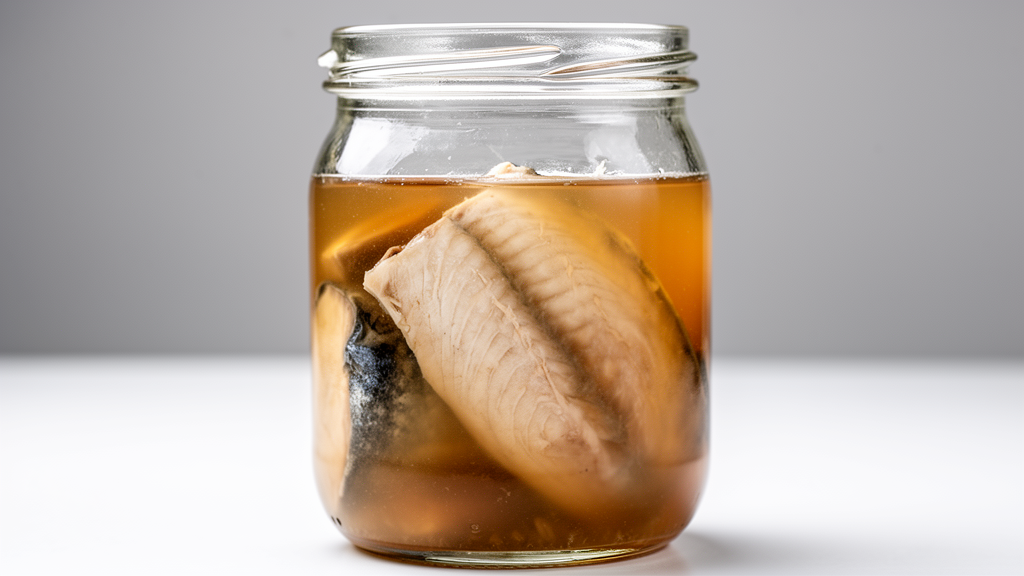
Researchers at Suez University in Egypt have demonstrated that controlled fermentation of mullet fish using specific microbial starter cultures significantly improves product safety and quality compared to traditional natural fermentation methods. Published in the journal Food Safety and Risk, the study provides a systematic evaluation of physicochemical and microbiological changes during the production of Feseekh, a traditional salted fermented mullet. The investigation focused on the effects of inoculating the fish with Lactobacillus plantarum, Saccharomyces cerevisiae, or a mixture of both, aiming to mitigate the formation of biogenic amines, which are potential health hazards in fermented fish products.
The study addressed critical gaps in previous research, which had largely focused on single bacterial cultures or lacked comprehensive monitoring of quality parameters throughout the fermentation and storage processes. The researchers utilized approximately fifty kilograms of fresh mullet fish, specifically the Bouri variety (Mugil cephalus), acquired from an aquaculture facility in Ismailia, Egypt, in November 2022. The fish were prepared in two ways: whole fish for natural fermentation and butterfly-cut, gutted fish for microbial inoculation treatments. This comparative design allowed for a direct assessment of how controlled microbial intervention alters the biochemical and microbiological trajectory of the product.
Four distinct treatment groups were established for the microbial fermentation process. One group was inoculated with Lactobacillus plantarum, another with Saccharomyces cerevisiae, and a third with a mixed culture of both organisms. A control group received salt and maltose but no microbial inoculum. Each treatment involved a 12-hour fermentation period at 30 degrees Celsius, followed by five days of salting at room temperature. After this curing phase, all samples were stored at minus 18 degrees Celsius for six months to evaluate long-term microbiological stability.
A primary finding of the research was the significant impact of the mixed starter culture on biogenic amine accumulation. Biogenic amines, such as histamine and cadaverine, are formed through the decarboxylation of amino acids and can cause adverse health effects including headaches, high blood pressure, and heart disease when present in high concentrations. The study found that the mixed culture treatment resulted in the lowest levels of total biogenic amines, with concentrations remaining below 3 mg/kg. In contrast, single-starter treatments with Lactobacillus plantarum and Saccharomyces cerevisiae accumulated higher levels at 48.49 mg/kg and 37.10 mg/kg, respectively.
The total volatile basic nitrogen (TVB-N), a key indicator of protein spoilage, reached 253.48 mg/100 g in the naturally fermented sample after five days. This value was substantially higher than the levels observed in the microbially inoculated groups, where the Lactobacillus plantarum and mixed culture treatments showed the lowest TVB-N values at 77.11 and 75.83 mg/100 g, respectively. These results indicate that the presence of specific starter cultures effectively suppresses the activity of indigenous spoilage bacteria and enzymes that contribute to protein breakdown.
Physicochemical analysis revealed that the microbial fermentation processes also enhanced the oxidative stability of the fish products. The thiobarbituric acid reactive substances (TBARS) value, which measures lipid oxidation, remained below 1 mg MDA/kg in all microbially inoculated treatments. Conversely, the naturally fermented fish and the uninoculated control group exceeded this threshold, indicating higher levels of lipid degradation. The lower TBARS values in the inoculated groups suggest that the metabolic activity of the starter cultures may produce antioxidant compounds or create an environment that inhibits oxidative reactions.
Microbiological monitoring confirmed that the inoculated starter cultures successfully established dominance within the fermentation matrix. Lactobacillus plantarum reached peak populations of 8.11 log CFU/g in the single-culture treatment and 7.66 log CFU/g in the mixed-culture treatment by the fifth day. Similarly, Saccharomyces cerevisiae attained densities of 7.32 log CFU/g in its single-culture treatment. This rapid growth and dominance likely suppressed the growth of undesirable anaerobic bacteria and other potential pathogens. The study noted that anaerobic bacterial counts declined during fermentation in the inoculated groups, whereas they increased in the uninoculated control, suggesting that the starter cultures competitively exclude unwanted microbiota.
The long-term storage evaluation provided insights into the shelf-life stability of the fermented products. After six months of frozen storage at minus 18 degrees Celsius, both aerobic plate counts and Staphylococcus counts declined across all treatments. This reduction in microbial load suggests that the frozen storage conditions effectively preserve the safety of the product. Notably, Staphylococcus levels fell below detectable limits in the traditionally fermented fish after storage, while remaining low but detectable in the other groups. The persistence of low levels of Staphylococcus in the inoculated groups is consistent with the robust nature of these bacteria, which can survive in nutrient-rich fermented matrices.
The pH levels of the fermented products also diverged significantly between the traditional and microbial methods. The naturally fermented whole fish experienced an increase in pH to 7.28, reflecting the alkaline nature of the amines produced by natural flora. In contrast, the microbially inoculated butterfly fish treatments showed a decrease in pH, with the Lactobacillus plantarum treatment reaching the lowest value of 5.11. This acidification is attributed to the production of lactic acid by the bacteria, which helps preserve the fish and inhibits the growth of spoilage organisms. The controlled acidification in the microbial treatments contributes to the overall safety and quality of the final product.
The study highlights the potential of using probiotic starter cultures as a strategy to improve the safety of traditional fermented fish products. By reducing biogenic amine levels and protein degradation, the mixed culture of Lactobacillus plantarum and Saccharomyces cerevisiae offers a viable alternative to uncontrolled natural fermentation. The findings support the application of controlled fermentation techniques in the food industry to mitigate health risks associated with biogenic amines. This approach not only enhances the safety profile of the product but also ensures a more consistent quality standard, which is crucial for consumer protection and regulatory compliance.
While the results are promising, the study is limited to a specific type of mullet and a particular fermentation protocol. The generalizability of these findings to other fish species or different fermentation conditions may require further investigation. Additionally, the sensory properties of the fermented fish, which are important for consumer acceptance, were not extensively detailed in the provided evidence. However, the microbiological and physicochemical data strongly suggest that microbial inoculation is an effective method for producing safer fermented fish products. The research contributes to the growing body of evidence supporting the use of selected microbial consortia in traditional food processing to enhance safety and quality.
Subject of Research: Microbiological and physicochemical changes in mullet fish fermentation using probiotic starter cultures
Article Title: Physicochemical and microbiological changes during mullet fish (Feseekh) fermentation by microbial inoculation with Lactobacillus plantarum and Saccharomyces cerevisiae
Article References: Abdo, F. A., Amin, H. F., & Ahmed, O. M. (2026). Physicochemical and microbiological changes during mullet fish (Feseekh) fermentation by microbial inoculation with Lactobacillus plantarum and Saccharomyces cerevisiae. Food Safety and Risk, 13(1), Article 13. https://doi.org/10.1186/s40550-026-00142-4
Image Credits: AI Generated
DOI: 10.1186/s40550-026-00142-4
Keywords: fermented fish, biogenic amines, Lactobacillus plantarum, Saccharomyces cerevisiae, food safety, mullet, microbial inoculation, protein degradation, lipid oxidation, probiotics, Physicochemical, microbiological
News Source: Alan Morgan. (November 8, 2026). Mixed Starter Cultures Reduce Biogenic Amines in Fermented Mullet. Scienmag.