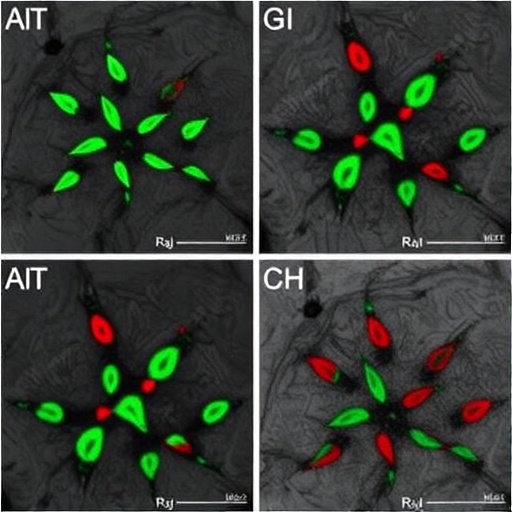
A new study suggests that the way cancer cells run their mitochondria—tiny energy factories inside the cell—can predict how well colorectal tumors respond to chemotherapy. Reporting in Nature Metabolism, researchers led by D.Y. Moss and colleagues analyze tumor behavior through the lens of mitochondrial metabolism, revealing a link between bioenergetic state and drug sensitivity. The findings raise the prospect of more rational treatment selection based on metabolic signatures.
The team focuses on how mitochondrial pathways shape the balance between energy production and cellular stress. By tuning processes such as oxidative metabolism and related bioenergetic flux, tumor cells can either become more vulnerable to chemotherapy or develop a protective metabolic phenotype. In other words, the same treatment may succeed or fail depending on the mitochondria’s operating mode.
To connect mitochondrial function with therapeutic outcomes, the researchers compare metabolic features across colorectal cancer contexts and assess how these traits associate with response to standard chemotherapeutic regimens. Their analysis emphasizes that chemotherapy sensitivity is not solely determined by canonical genetic factors, but also by the cell’s energetic wiring and its capacity to manage damaging stress.
Mechanistically, the study highlights that mitochondrial metabolism influences downstream vulnerability during treatment. When mitochondria are engaged in particular metabolic programs, they can alter redox balance, oxygen usage, and the ability of cells to buffer injury. Those shifts may change whether chemotherapy triggers lethal damage or is effectively resisted.
The authors also discuss mitochondrial activity in relation to cellular decision-making under therapeutic pressure. Metabolic state can modulate signaling networks that govern survival, proliferation, and stress responses. This creates a plausible pathway from mitochondria-centered metabolism to whole-tumor drug responsiveness.
Importantly for clinical translation, the work frames mitochondrial metabolic features as potential biomarkers. If validated in larger patient cohorts, such markers could help clinicians stratify patients before treatment, reducing trial-and-error and improving outcomes. The approach also suggests that metabolic profiling might reveal hidden resistance mechanisms.
Beyond prediction, the results imply opportunities for combination strategies. If chemotherapy response depends on mitochondrial function, then drugs that reshape mitochondrial metabolism could potentially sensitize tumors that would otherwise resist standard regimens.
Overall, the study positions mitochondria as more than energy producers in colorectal cancer—they may be decision hubs that determine whether chemotherapy delivers irreparable harm. With metastasis and drug resistance remaining major clinical hurdles, metabolic biomarkers and mitochondria-targeted interventions could become increasingly important.
Subject of Research: Colorectal cancer chemotherapy sensitivity; mitochondrial metabolism
Article Title: Mitochondrial metabolism determines chemotherapy sensitivity in colorectal cancer
Article References: Moss, D.Y., Brown, C.N., Shaw, A.M. et al. Mitochondrial metabolism determines chemotherapy sensitivity in colorectal cancer. Nat Metab (2026). https://doi.org/10.1038/s42255-026-01578-w
DOI: https://doi.org/10.1038/s42255-026-01578-w
Image Credits: AI Generated
Tags: bioenergetic states influencing chemotherapy efficacychemotherapy sensitivity predictionenergy production and cancer cell vulnerabilitymetabolic profiling of colorectal tumorsmetabolic signatures for therapy selectionmitochondrial bioenergetic flux in tumor cellsmitochondrial function and therapeutic outcomesMitochondrial metabolism in colorectal cancermitochondrial pathways in cancer treatmentmitochondrial stress management in cancer therapyoxidative metabolism and chemotherapy resistancetumor bioenergetics and drug response