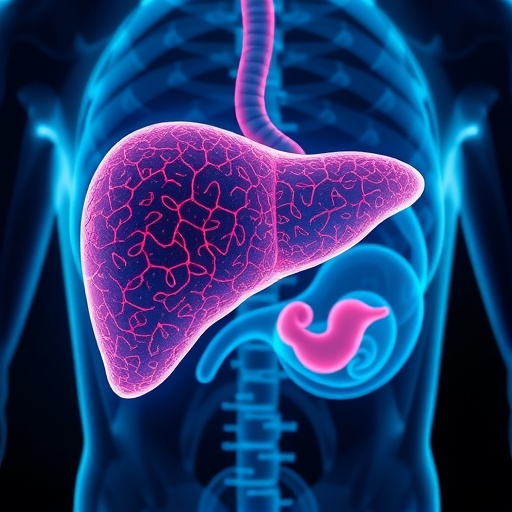
In recent years, the prevalence of metabolic dysfunction-associated steatotic liver disease (MASLD) has surged dramatically across the United States, affecting over 100 million individuals. This liver condition, marked by an excessive buildup of fat, is not simply an isolated ailment; it has severe implications that can escalate to more aggressive forms of liver damage, including inflammation and fibrosis. Researchers at MIT are pioneering frontiers in liver disease research with innovative approaches that may lead to groundbreaking treatment modalities.
The challenge in effectively managing liver diseases such as MASLD lies in the complexity and unique architecture of the liver itself. MIT engineers, at the forefront of this healthcare challenge, have successfully created a sophisticated tissue model that closely simulates the intricate environment of a human liver. This innovative microphysiological system incorporates essential elements, including blood vessels and immune cells, that play critical roles in liver function and disease progression. By mimicking real biological conditions, this model serves as a vital tool for researchers to investigate the pathogenesis of liver diseases and develop targeted therapeutics.
Publishing their findings in the esteemed journal Nature Communications, the researchers demonstrated that their newfound model can accurately recreate the inflammatory processes and metabolic dysfunction observed in the early stages of liver disease. This not only opens avenues for drug discovery and testing but also allows for a better understanding of how diseases manifest within the human liver context, thus bridging the gap often faced when using traditional animal models.
In addition to their work on the new liver model, MIT researchers have delved into understanding the response of liver tissue to a drug known as resmetirom. This drug is intended for the treatment of metabolic dysfunction-associated steatohepatitis (MASH), an advanced stage of liver disease. Researchers found that although resmetirom is designed to alleviate liver fibrosis, it can paradoxically induce inflammation within the liver tissue. Such findings illuminate the complexity of drug responses and hint at the reason why the efficacy of resmetirom varies considerably among patients, as only about 30 percent experience positive outcomes.
The innovation behind this research is not solely about identifying drug effects; it is also about constructing precise models that can reflect various disease stages. Previous models have primarily focused on liver toxicity from drugs, but the present efforts at MIT aim to delineate disease mechanisms thoroughly. By integrating features of vascularity and immune cell dynamics into their liver constructs, researchers are able to simulate how these elements influence disease progression in cases like MASLD.
Researchers induced MASLD by exposing their engineered liver tissue to high concentrations of insulin, glucose, and fatty acids—conditions that mirror those typically present in human patients. This methodology not only facilitates the study of drug efficacy but also allows for an intricate analysis of the metabolic disruptions commonly seen in liver disease. The transition to a state of insulin resistance in the model provides pivotal insights into the pathways leading to type 2 diabetes, a condition often associated with MASLD.
As the liver tissue matures within the microphysiological system, the researchers observed notable changes in the behavior of hepatocytes, the predominant cell type within the liver. These cells displayed altered insulin clearance and glucose metabolism pathways, highlighting the profound effects of metabolic dysfunction. Moreover, the formation of narrower and more permeable blood vessels within the tissue mimics the characteristic microvascular complications observed in diabetic patients, adding another layer of relevance to the model.
Understanding the immune response within this engineered liver system is equally critical. The study revealed that increased insulin resistance correlates with higher levels of inflammatory markers attracting monocytes to the liver tissue. Monocytes, which are precursors to macrophages, play an essential role in the inflammatory response and tissue repair processes. Their infiltration during early-stage liver disease suggests a significant interplay between immune responses and metabolic disturbances, underscoring the importance of immune cell dynamics in liver pathology.
These sophisticated models herald a new era in liver research, where traditional constraints of animal experimentation are alleviated, allowing for the examination of human cellular responses in a controlled environment. This innovation could immensely expedite the discovery of novel therapeutic compounds aimed at combating liver diseases. With the ability to model specific human diseases closely, researchers may pinpoint targets for new drug classes and optimize treatment approaches tailored to individual patient needs.
Furthermore, the implications of this research extend beyond just MASLD and MASH. The development of such advanced tissue models has the potential to reshape how we study various liver-related conditions, offering a platform for testing other pharmacological interventions and advancing our understanding of liver biology in health and disease.
With ongoing support from funding bodies such as the National Institutes of Health and the National Science Foundation, the future seems promising for this line of research. Such backing emphasizes the critical importance of this work in public health and its potential to impact countless lives. Consequently, the MIT team’s commitment to unraveling the complexities of liver disease through innovative technologies will likely chart new pathways for medical science and therapeutic discovery.
In conclusion, the convergence of engineering, biology, and medicine in this research signifies a transformative approach to tackling liver diseases. As scientists continue to push the boundaries of what’s possible with tissue engineering, the health implications could be profound, leading to a deeper understanding of liver diseases and paving the way for more effective treatments.
Subject of Research: Metabolic dysfunction-associated steatotic liver disease (MASLD) and its treatment through advanced tissue models.
Article Title: A vascularized liver microphysiological system captures key features of hepatic insulin resistance and monocyte infiltration.
News Publication Date: 3-Feb-2026.
Web References: Nature Communications.
References: MIT Engineers’ Study on MASLD and Liver Disease Advances.
Image Credits: Erin Tevonian and Ellen Kan.
Keywords
Pharmacology, Drug development, Liver, Biochemistry, Bioengineering.
Tags: human liver simulation modelsinnovative tissue models for drug developmentliver disease treatment advancementsliver inflammation and fibrosismetabolic dysfunction-associated steatotic liver diseasemetabolic liver disease prevalencemicrophysiological systems in healthcareMIT engineering in medical researchMIT liver disease researchNature Communications liver research findingspathogenesis of liver diseasestargeted therapeutics for liver conditions