• HOME
  • NEWS
  • EXPLORE
    • CAREER
      • Companies
      • Jobs
    • EVENTS
    • iGEM
      • News
      • Team
    • PHOTOS
    • VIDEO
    • WIKI
  • BLOG
  • COMMUNITY
    • FACEBOOK
    • INSTAGRAM
    • TWITTER
Saturday, May 30, 2026
BIOENGINEER.ORG
No Result
View All Result
  • Login
  • HOME
  • NEWS
  • EXPLORE
    • CAREER
      • Companies
      • Jobs
        • Lecturer
        • PhD Studentship
        • Postdoc
        • Research Assistant
    • EVENTS
    • iGEM
      • News
      • Team
    • PHOTOS
    • VIDEO
    • WIKI
  • BLOG
  • COMMUNITY
    • FACEBOOK
    • INSTAGRAM
    • TWITTER
  • HOME
  • NEWS
  • EXPLORE
    • CAREER
      • Companies
      • Jobs
        • Lecturer
        • PhD Studentship
        • Postdoc
        • Research Assistant
    • EVENTS
    • iGEM
      • News
      • Team
    • PHOTOS
    • VIDEO
    • WIKI
  • BLOG
  • COMMUNITY
    • FACEBOOK
    • INSTAGRAM
    • TWITTER
No Result
View All Result
Bioengineer.org
No Result
View All Result
Home NEWS Science News Biology

Microplastics found deep in sand where turtles nest

Bioengineer by Bioengineer
September 26, 2018
in Biology
Reading Time: 2 mins read
0
Share on FacebookShare on TwitterShare on LinkedinShare on RedditShare on Telegram
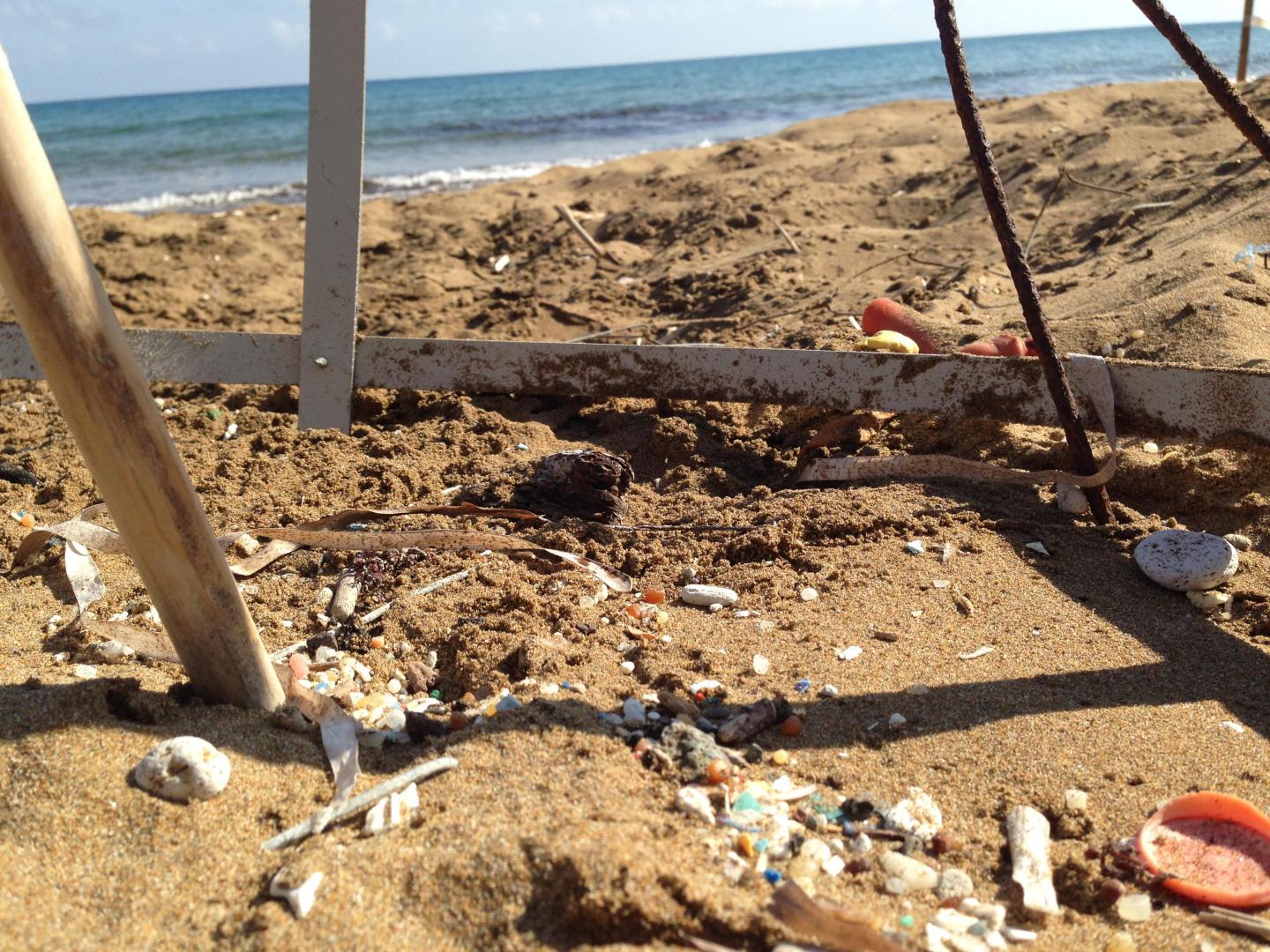
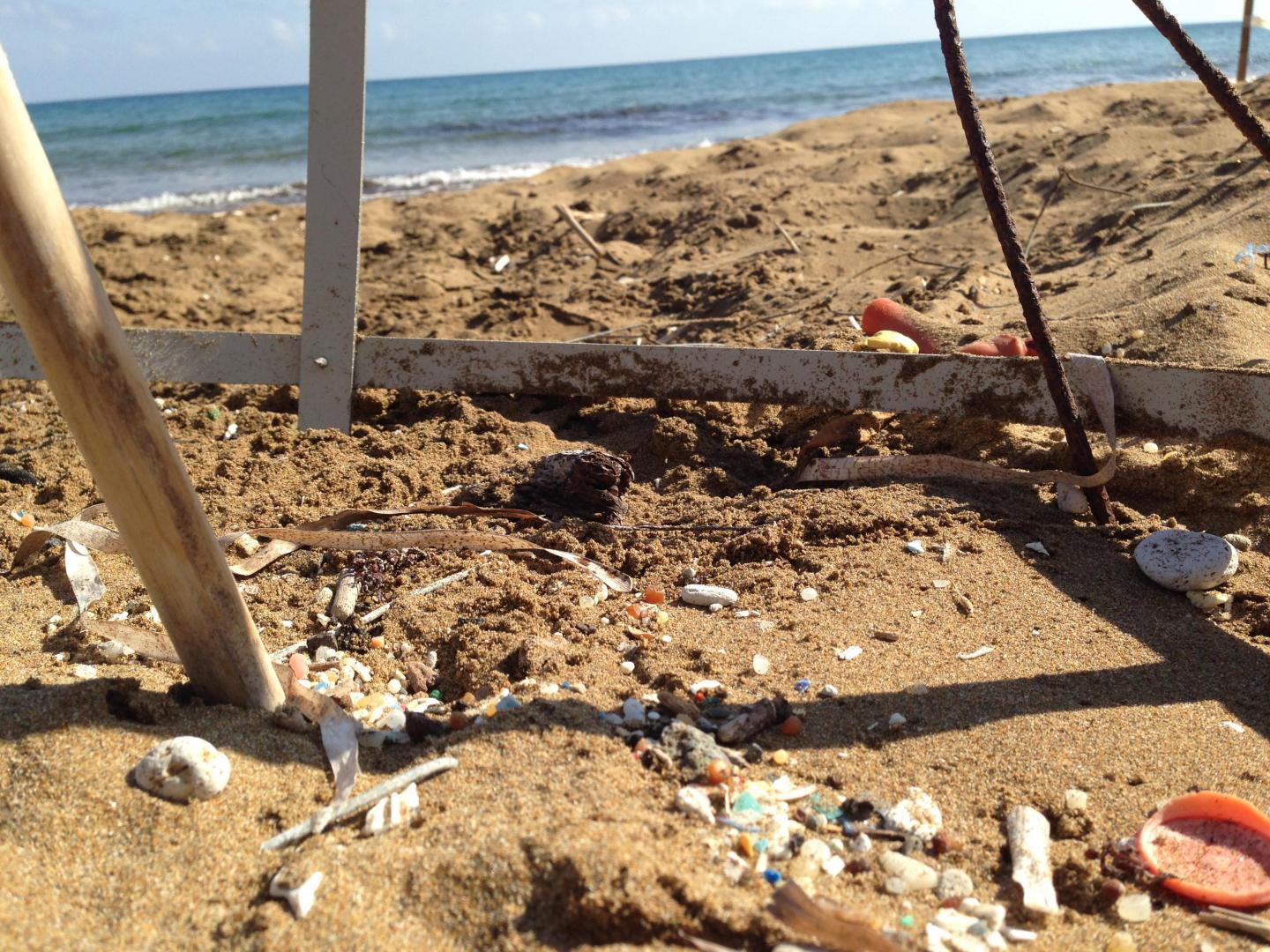
IMAGE

Credit: Jessica Arrowsmith

Microplastics have been found deep in the sand on beaches where sea turtles lay their eggs.

University of Exeter scientists found an average of 5,300 particles of plastic per cubic metre at depths of 60cm (2ft) on beaches in Cyprus used by green turtles and loggerheads.

At the surface, up to 130,000 fragments of plastic were found per cubic metre – the second-worst level ever recorded on a beach (the worst was in Guangdong, South China).

Researchers say that if conditions worsen such pollution could eventually begin to affect hatching success and even the ratio of male and female turtle hatchlings.

"We sampled 17 nesting sites for loggerhead and green turtles and found microplastics at all beaches and all depths," said Dr Emily Duncan, of the Centre for Ecology and Conservation on the University of Exeter's Penryn Campus in Cornwall.

"Microplastics have different physical properties to natural sediments, so high levels could change the conditions at hatching sites, with possible effects on turtle breeding.

"For example, the temperature at which the egg incubates affects the sex of the hatchling – with females more likely in warmer conditions.

"More research is needed to investigate what effects microplastics have on turtle eggs."

Microplastics – defined as less than 5mm in diameter – come from numerous sources including discarded plastic items that have broken apart, microbeads from cosmetics and microfibres from clothes.

Of the microplastics categorised in this research, nurdles (pellets used in the production of plastic products) and hard fragments broken from larger items were the most common.

"Unlike the beaches in China where the highest levels of microplastics have been recorded, these beaches in Cyprus are located far from industrial practices and aren't visited by large numbers of people," said Professor Brendan Godley, leader of the University of Exeter's marine strategy.

"Therefore it seems that microplastics are arriving on ocean currents. In this case, our analysis suggests most of it came from the eastern Mediterranean basin. This is also true of the large plastic items found on the beaches in Cyprus in large numbers."

The findings support the theory that beaches act as a "sink" for marine microplastics, becoming key areas for contamination.

The research, is based on 1,209 sediment samples taken from 17 turtle nesting beaches in northern Cyprus.

The paper, published in Marine Pollution Bulletin, is entitled: "The true depth of the Mediterranean plastic problem: Extreme microplastic pollution on marine turtle nesting beaches in Cyprus."

###

Media Contact

Alex Morrison
[email protected]
44-013-927-24828
@uniofexeter

http://www.exeter.ac.uk

Related Journal Article

http://dx.doi.org/10.1016/j.marpolbul.2018.09.019

Share12Tweet7Share2ShareShareShare1

Related Posts

Ohio Wall Lizards Overcame Genetic Bottleneck Through Reproduction, Study Finds — Biology

Ohio Wall Lizards Overcame Genetic Bottleneck Through Reproduction, Study Finds

May 29, 2026
Double Agent Unveils Unexpected Revelations — Biology

Double Agent Unveils Unexpected Revelations

May 29, 2026

University of Toronto Scientists Work to Enhance Access to Advanced Research and Biomanufacturing Tools in Resource-Limited Areas

May 29, 2026

CLPTM1L Alters Lipid Rafts to Drive Glioblastoma Progression

May 29, 2026
Please login to join discussion

POPULAR NEWS

  • ESMO 2025: mRNA COVID Vaccines Enhance Efficacy of Cancer Immunotherapy

    319 shares
    Share 128 Tweet 80
  • Multi-Hospital Study Reveals Long Covid Burden Is Twice as High as Current Estimates

    81 shares
    Share 32 Tweet 20
  • Common Food Preservatives Associated with Elevated Blood Pressure and Increased Heart Disease Risk

    56 shares
    Share 22 Tweet 14
  • New Study Reveals Plants Can Detect the Sound of Rain

    736 shares
    Share 294 Tweet 184

About

We bring you the latest biotechnology news from best research centers and universities around the world. Check our website.

Follow us

Recent News

Psychosocial Factors Shape Sexual Satisfaction in Older Adults

Polymyxin Resistance Evolution and Fitness Costs in Acinetobacter

Frailty, Depression, and Cognitive Decline in Parkinson’s

Subscribe to Blog via Email

Enter your email address to subscribe to this blog and receive notifications of new posts by email.

Join 82 other subscribers
  • Contact Us

Bioengineer.org © Copyright 2023 All Rights Reserved.

Welcome Back!

Login to your account below

Forgotten Password?

Retrieve your password

Please enter your username or email address to reset your password.

Log In
No Result
View All Result
  • Homepages
    • Home Page 1
    • Home Page 2
  • News
  • National
  • Business
  • Health
  • Lifestyle
  • Science

Bioengineer.org © Copyright 2023 All Rights Reserved.