Scientists have been worried about the potential harms of microplastics for years. These small plastic particles less than 5 mm in length have been found everywhere because of plastic pollution – from the Earth’s deep oceans to remote regions in Antarctica, and even the seafood we eat. But, are microplastics really harmful?
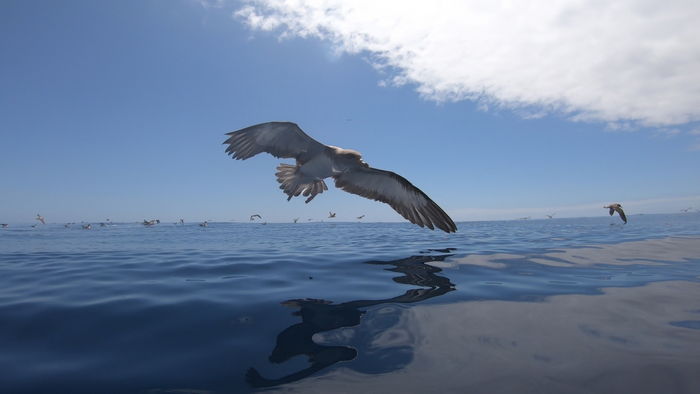
Credit: Christopher Pham
Scientists have been worried about the potential harms of microplastics for years. These small plastic particles less than 5 mm in length have been found everywhere because of plastic pollution – from the Earth’s deep oceans to remote regions in Antarctica, and even the seafood we eat. But, are microplastics really harmful?
An international team of scientists, including researchers from McGill University, have found evidence that microplastics in the digestive tract of seabirds altered the microbiome of the gut – increasing the presence of pathogens and antibiotic-resistant microbes, while decreasing the beneficial bacteria found in the intestines.
“Our findings reflect the circumstances of animals in the wild. Since humans also uptake microplastics from the environment and through food, this study should act as a warning for us,” say the authors.
“The gut microbiome encompasses all the microbes in the gastrointestinal tract, which help control the digestion of food, immune system, central nervous system, and other bodily processes. It’s a key indicator of health and well-being,” says Julia Baak, co-author of the study and a PhD Candidate in the Department of Natural Resource Sciences at McGill University.
To gain a better understanding of how species are affected by diets chronically contaminated with microplastics, the scientists examined the gut microbiome of two seabird species, the northern fulmar (Fulmarus glacialis) and the Cory’s shearwater (Calonectris borealis) that live mainly on the high seas and feed on marine mollusks, crustaceans, and fish.
“Until now there was little research on whether the amounts of microplastics present in the natural environment have a negative impact on the gut microbial health of affected species,” says Gloria Fackelmann, who conducted the study as part of her doctoral thesis at the Institute of Evolutionary Ecology and Conservation Genomics at Ulm University in Germany.
In studying the seabirds, the researchers discovered that microplastic ingestion changed the microbial communities throughout the gastrointestinal tract of both seabird species. “The more microplastics found in the gut, the fewer commensal bacteria could be detected. Commensal bacteria supply their host with essential nutrients and help defend the host against opportunistic pathogens. Disturbances can impair many health-related processes and may lead to diseases in the host,” says Fackelmann.
According to the researchers, most studies exploring the impact of microplastics on the microbiome are done in labs using very high concentrations of microplastics. “By studying animals in the wild, our research shows that changes in the microbiome can occur at lower concentrations that are already present in the natural environment,” says Fackelmann.
About the study
“Current levels of microplastic pollution impact wild seabird gut microbiomes” by Gloria Fackelmann, Christopher Pham, Yasmina Rodríguez, Mark Mallory, Jennifer Provencher, Julia Baak, and Simone Sommer was published in Nature Ecology & Evolution.
Journal
Nature Ecology & Evolution
DOI
10.1038/s41559-023-02013-z
Method of Research
Experimental study
Subject of Research
Animals
Article Title
Nature Ecology & Evolution
Article Publication Date
27-Mar-2023