Groundbreaking Research Illuminates Gut Microbiome’s Role in Modulating Liver Gene Activity Through Regulatory DNA Switches
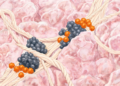
In a pioneering study led by researchers at the ASTAR Genome Institute of Singapore (ASTAR GIS), an unprecedented link has been revealed between the gut microbiome and liver gene regulation. This intricate interaction is mediated by short segments of regulatory DNA, often described as molecular “switches,” that finely tune liver functions fundamental to metabolism and immune responses. By evaluating over 100,000 human regulatory DNA elements associated with liver biology, the team has delineated how microbial signals influence gene expression through these switches, bringing new dimensions to our understanding of liver diseases and their potential therapies.
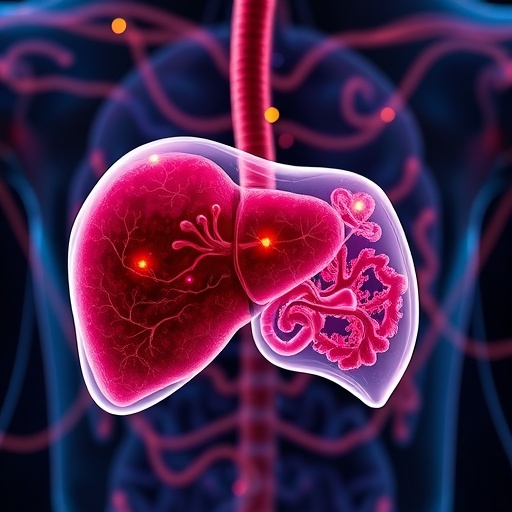
The human liver is a metabolic powerhouse, central to detoxification, biosynthesis, and immune system orchestration. Emerging scientific consensus increasingly implicates the gut microbiome—a vast community of trillions of microbes coexisting in the gastrointestinal tract—as a critical player influencing hepatic health and disease. Yet, decoding the molecular mechanisms through which gut-derived signals steer liver gene activity remained an elusive frontier. This study addresses that gap by focusing on the DNA regulatory elements that dictate gene expression intensity and timing, surpassing the simplistic view based on gene coding regions alone.
Regulatory DNA switches, or enhancers and promoters, govern the cellular “when” and “how much” of gene expression. Despite their vital role, pinpointing which switches are operational in living human tissues has posed a significant challenge given genomic complexity and tissue-specific activity patterns. To overcome this, the research team harnessed high-throughput screening methodologies to assay the activity of over 100,000 candidate regulatory elements derived from publicly available international datasets, focusing specifically on those related to liver function.
The comprehensive in vitro and in vivo analyses unveiled a striking revelation: only a selective subset of these putative switches are active within living liver tissue. Crucially, these active regulatory sequences correspond predominantly to genes involved in metabolic pathways and immune modulation—processes intimately linked to liver pathology and systemic homeostasis. This critical insight refines the search for viable therapeutic targets by narrowing focus to functionally relevant regulatory regions rather than generic genomic sites.
More transformative is the finding that the activity of many of these liver-specific regulatory switches is dynamically modulated by shifts in the gut microbiome’s composition and metabolic output. When the microbial milieu altered, corresponding changes were observed in switch activity and, consequently, gene expression profiles. This biochemical conversation between microbes and liver cells is mediated through specific microbial metabolites that interact directly with DNA switches, substantiating a chemical signaling axis at the nexus of microbiome-host interplay.
The study further illuminated the complexity of host-microbe interactions by identifying a rare genetic variant prevalent among East Asian populations. This variant heightens the sensitivity of at least one regulatory switch to microbial signals, suggesting that genetic makeup intricately influences individual liver responses to microbiome fluctuations. Such findings underscore the necessity of integrating genetic diversity into precision medicine frameworks, particularly in predicting disease susceptibility and tailoring interventions.
By elucidating that gut microbial cues operate through defined DNA regulatory elements in physiological liver contexts, this research substantially solidifies the molecular underpinning of the gut-liver axis. This paradigm shift lays a foundational blueprint for the development of microbiome-informed diagnostic biomarkers and gene-regulatory therapeutic strategies aimed at combating liver disorders more effectively and specifically.
The implications for drug discovery are profound. Recognizing which DNA switches are genuinely active in vivo guides researchers toward more promising drug targets, reducing attrition rates in clinical trials. It also facilitates better patient stratification, as understanding genetic variation’s role in microbial signal sensitivity can explain heterogeneous clinical outcomes in liver disease and treatment responsiveness.
Moreover, this body of work propels the field towards innovative therapeutic avenues. The prospect of manipulating microbial communities or targeting microbe-responsive DNA switches opens new horizons beyond conventional pharmacological approaches, potentially enabling finely tuned gene regulatory interventions that restore or enhance liver function.
“We anticipate that these findings will catalyze significant advancements in liver disease management, particularly through the integration of microbiome data into biomarker development and therapeutic design,” said Dr. Benson Chen, Principal Scientist at A*STAR GIS. His optimism reflects the study’s transformative potential in engendering personalized, microbiome-informed healthcare solutions.
Equally, Dr. Wan Yue, Executive Director at A*STAR GIS, emphasized the study’s value in bridging molecular genomics with physiological relevance. “Identifying functional regulatory switches in living tissue affords the scientific community a robust framework for discovering impactful targets and innovating precision interventions that account for the complex systemic influences on liver health,” she noted.
Moving forward, the research consortium is actively collaborating with clinical partners to translate these molecular insights into patient-centric outcomes. Efforts are concentrated on detecting microbial and genetic markers predictive of liver disease progression or therapeutic efficacy, aiming to integrate these biomarkers into personalized liver care protocols that accommodate individual microbiome and genomic landscapes.
This landmark study not only unravels the sophisticated dialogue between gut microbes and the liver at a molecular level but also sets a new trajectory for biomedical research, coupling systems biology with translational medicine to revolutionize diagnosis and treatment of liver diseases.
Subject of Research: Influence of gut microbiome on liver gene regulation via DNA regulatory elements
Article Title: Microbiome Signals Orchestrate Liver Gene Activity through Regulatory DNA Switches: Implications for Precision Medicine
News Publication Date: Not explicitly stated; article available 2026
Web References:
https://www.cell.com/molecular-cell/fulltext/S1097-2765(26)00232-7
http://dx.doi.org/10.1016/j.molcel.2026.03.036
References:
A*STAR Genome Institute of Singapore study published in Molecular Cell (2026)
Image Credits:
ASTAR Genome Institute of Singapore (ASTAR GIS)
Keywords:
Gut microbiome, liver gene regulation, regulatory DNA switches, microbiome-liver axis, liver metabolism, gene expression modulation, precision medicine, microbiome-derived metabolites, human genetic variation, liver diseases, drug target identification, microbiome-informed therapy
Tags: DNA enhancers in liver biologygut bacteria and liver detoxificationgut bacteria influence on liver genesgut microbiome liver interactiongut-liver axis molecular mechanismsliver disease gene regulationliver gene regulation by microbiomeliver health and microbiome therapymicrobiome and liver immune responsemicrobiome impact on liver metabolismmicrobiome-driven gene expressionregulatory DNA switches liver function