• HOME
  • NEWS
  • EXPLORE
    • CAREER
      • Companies
      • Jobs
    • EVENTS
    • iGEM
      • News
      • Team
    • PHOTOS
    • VIDEO
    • WIKI
  • BLOG
  • COMMUNITY
    • FACEBOOK
    • INSTAGRAM
    • TWITTER
Wednesday, May 13, 2026
BIOENGINEER.ORG
No Result
View All Result
  • Login
  • HOME
  • NEWS
  • EXPLORE
    • CAREER
      • Companies
      • Jobs
        • Lecturer
        • PhD Studentship
        • Postdoc
        • Research Assistant
    • EVENTS
    • iGEM
      • News
      • Team
    • PHOTOS
    • VIDEO
    • WIKI
  • BLOG
  • COMMUNITY
    • FACEBOOK
    • INSTAGRAM
    • TWITTER
  • HOME
  • NEWS
  • EXPLORE
    • CAREER
      • Companies
      • Jobs
        • Lecturer
        • PhD Studentship
        • Postdoc
        • Research Assistant
    • EVENTS
    • iGEM
      • News
      • Team
    • PHOTOS
    • VIDEO
    • WIKI
  • BLOG
  • COMMUNITY
    • FACEBOOK
    • INSTAGRAM
    • TWITTER
No Result
View All Result
Bioengineer.org
No Result
View All Result
Home NEWS Science News Chemistry

Microbe from New Jersey wetlands chomps PFAS

Bioengineer by Bioengineer
September 18, 2019
in Chemistry
Reading Time: 2 mins read
0
IMAGE
Share on FacebookShare on TwitterShare on LinkedinShare on RedditShare on Telegram

IMAGE

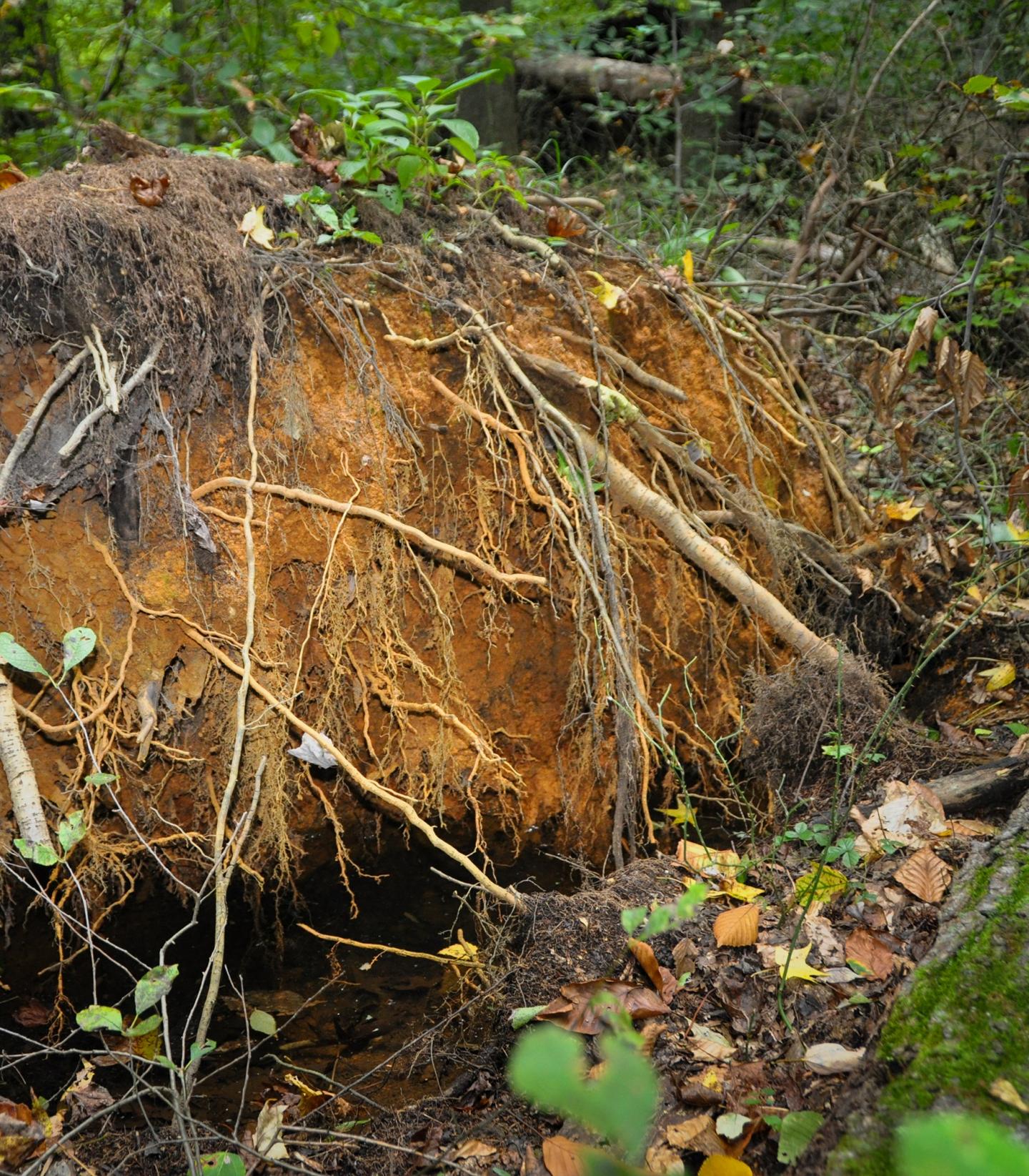
Credit: Peter Jaffé

Per- and polyfluoroalkyl substances (PFAS) are building up in the environment, and scientists are becoming concerned. These substances, ubiquitous as water-repellent or nonstick additives in many consumer products, are persistent and have been accumulating in organisms throughout the food chain over many years. Now, researchers reporting in the ACS journal Environmental Science & Technology have identified bacteria from a New Jersey wetland that, surprisingly, can break carbon-fluorine bonds and degrade PFAS.

The carbon-fluorine (C-F) covalent bond is the strongest in organic chemistry, and until now, no organism was known to be capable of breaking it. In previous work, Shan Huang and Peter Jaffé isolated a bacterium, called Acidimicrobiaceae sp. A6 (A6), from the soil of New Jersey wetlands that could perform an unusual chemical reaction: using iron in the soil to help break down ammonium, a pollutant found in sewage and fertilizer runoff, without any oxygen. Huang and Jaffé wondered if this reaction, called Feammox, could also help break down PFAS.

To find out, the researchers grew cultures of A6 in iron- and ammonium-rich medium and added one of two PFAS: perfluorooctanoic acid (PFOA) or perfluorooctane sulfonate (PFOS). The team found that A6 used the Feammox reaction to transfer electrons from ammonium or hydrogen gas to PFAS, removing the fluoride atoms and rendering the substances harmless. As a result, over a 100-day period, the microbes degraded up to 60% of the PFOA and 50% of the PFOS added to the cultures. These results indicate that under appropriate environmental conditions, A6 and the Feammox process could biodegrade PFAS in contaminated soil and groundwater, the researchers say.

###

The authors acknowledge funding from the Helen Shipley Hunt Fund.

The paper’s abstract will be available on September 18 at 8 a.m. Eastern time here: http://pubs.acs.org/doi/abs/10.1021/acs.est.9b04047

The American Chemical Society, the world’s largest scientific society, is a not-for-profit organization chartered by the U.S. Congress. ACS is a global leader in providing access to chemistry-related information and research through its multiple databases, peer-reviewed journals and scientific conferences. ACS does not conduct research, but publishes and publicizes peer-reviewed scientific studies. Its main offices are in Washington, D.C., and Columbus, Ohio.

To automatically receive news releases from the American Chemical Society, contact [email protected].

Follow us: Twitter | Facebook

Media Contact
Katie Cottingham
[email protected]

Tags: BacteriologyBiochemistryChemistry/Physics/Materials SciencesForestryGeology/SoilHydrology/Water ResourcesMicrobiologyPlant SciencesPollution/Remediation
Share12Tweet8Share2ShareShareShare2

Related Posts

Enhanced Cancer Drug Targeting and Efficacy Through Molecular Grappling Hooks — Chemistry

Enhanced Cancer Drug Targeting and Efficacy Through Molecular Grappling Hooks

May 13, 2026
Optimized Slurry Processing Paves the Way for Better Batteries — Chemistry

Optimized Slurry Processing Paves the Way for Better Batteries

May 13, 2026

Copper(II) Complexes Harnessed by Light Enable Efficient Anti-Markovnikov Alkene Hydration

May 13, 2026

Gravitational Wave Detectors Now Feature Automatic Signal Tuning

May 13, 2026
Please login to join discussion

POPULAR NEWS

  • Research Indicates Potential Connection Between Prenatal Medication Exposure and Elevated Autism Risk

    842 shares
    Share 337 Tweet 211
  • New Study Reveals Plants Can Detect the Sound of Rain

    728 shares
    Share 290 Tweet 182
  • Salmonella Haem Blocks Macrophages, Boosts Infection

    62 shares
    Share 25 Tweet 16
  • Breastmilk Balances E. coli and Beneficial Bacteria in Infant Gut Microbiomes

    57 shares
    Share 23 Tweet 14

About

We bring you the latest biotechnology news from best research centers and universities around the world. Check our website.

Follow us

Recent News

Bronchiectasis and NTM Care Center Network Grows to 62 Centers

Successful Launch of the Largest BL3 and ABL3 Special Laboratories for Domestic Universities Accompanied by a Symposium

Groundbreaking Heart Study Promises to Save Lives and Cut Unnecessary Implants

Subscribe to Blog via Email

Enter your email address to subscribe to this blog and receive notifications of new posts by email.

Join 82 other subscribers
  • Contact Us

Bioengineer.org © Copyright 2023 All Rights Reserved.

Welcome Back!

Login to your account below

Forgotten Password?

Retrieve your password

Please enter your username or email address to reset your password.

Log In
No Result
View All Result
  • Homepages
    • Home Page 1
    • Home Page 2
  • News
  • National
  • Business
  • Health
  • Lifestyle
  • Science

Bioengineer.org © Copyright 2023 All Rights Reserved.