• HOME
  • NEWS
  • EXPLORE
    • CAREER
      • Companies
      • Jobs
    • EVENTS
    • iGEM
      • News
      • Team
    • PHOTOS
    • VIDEO
    • WIKI
  • BLOG
  • COMMUNITY
    • FACEBOOK
    • INSTAGRAM
    • TWITTER
Wednesday, October 21, 2026
BIOENGINEER.ORG
No Result
View All Result
  • Login
  • HOME
  • NEWS
  • EXPLORE
    • CAREER
      • Companies
      • Jobs
        • Lecturer
        • PhD Studentship
        • Postdoc
        • Research Assistant
    • EVENTS
    • iGEM
      • News
      • Team
    • PHOTOS
    • VIDEO
    • WIKI
  • BLOG
  • COMMUNITY
    • FACEBOOK
    • INSTAGRAM
    • TWITTER
No Result
View All Result
Bioengineer.org
No Result
View All Result
Home NEWS Science News Health

Metabolism Helps Determine Regulated Cell Death Outcomes

by
October 21, 2026
in Health
Reading Time: 2 mins read
0
Metabolism Helps Determine Regulated Cell Death Outcomes

Metabolism Helps Determine Regulated Cell Death Outcomes

Share on FacebookShare on TwitterShare on LinkedinShare on RedditShare on Telegram

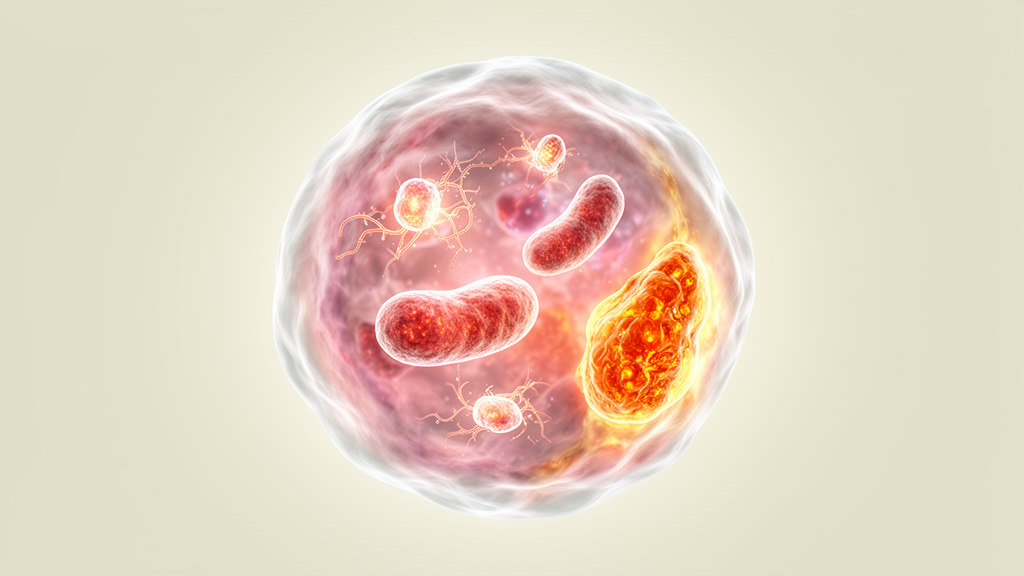
A review synthesizes the metabolic hallmarks of established, independently validated, and recently proposed forms of regulated cell death (RCD), revealing both mechanistic diversity and extensive metabolic convergence. It examines how cellular metabolism shapes RCD initiation, progression, and biological consequences, positioning metabolism as a fundamental determinant of when, how, and with what consequences cells die.

Six broad metabolic dimensions shape regulated cell death: bioenergetic state, redox homeostasis, nutrient availability, metal ion metabolism, inflammatory metabolism, and organelle function. Collectively, these processes determine cellular susceptibility to death and influence the activation and execution of diverse RCD programs. Although each form has a distinct molecular execution mechanism, shared metabolic conditions shape its initiation, progression, and consequences. Cellular energy resources, nutrient access, redox balance, and organelle state provide a context in which different death pathways operate.

Metabolism therefore functions as more than an energy supply for a dying cell. It acts as an active determinant of whether regulated cell death occurs, how its molecular machinery is engaged, and what accompanies the process. Metabolic state can modify death outcomes without making all regulated cell-death pathways identical. The review organizes evidence around shared and distinct metabolic hallmarks to map how internal cellular states help determine the timing, form, and consequences of death.

The authors also examine endogenous mechanisms that maintain metabolic homeostasis and discuss how disrupting these systems reshapes cell-death responses in human disease and therapeutic contexts. Such disruption may alter RCD activation or execution by changing the metabolic conditions under which those programs proceed. The review identifies opportunities for therapeutically exploiting metabolic control of RCD.

Subject of Research: Metabolic regulation of regulated cell death

Article Title: Metabolic hallmarks of regulated cell death

Article References: Kang, R., Chen, X., Kroemer, G., & Tang, D. (2026). Metabolic hallmarks of regulated cell death. Cell Research. https://doi.org/10.1038/s41422-026-01306-9

Image Credits: AI Generated

DOI: 10.1038/s41422-026-01306-9

Keywords: regulated cell death, cellular metabolism, bioenergetics, redox homeostasis, nutrient availability, metal ion metabolism, inflammatory metabolism, organelle function, disease mechanisms, therapeutic targeting, Metabolic, hallmarks

News Source: Daisy Hatcher. (October 21, 2026). Metabolism Helps Determine Regulated Cell Death Outcomes. Scienmag.


Tags: bioenergeticsCellular metabolismdisease mechanismshallmarksinflammatory metabolismmetabolicmetal ion metabolismnutrient availabilityorganelle functionredox homeostasisregulated cell deaththerapeutic targeting
Share12Tweet7Share2ShareShareShare1

Related Posts

Flipped Team Learning Improves Residents’ Clinical Reasoning in Trial

Flipped Team Learning Improves Residents’ Clinical Reasoning in Trial

October 21, 2026
Trial protocol tests two acupuncture techniques for post-stroke leg recovery

Trial protocol tests two acupuncture techniques for post-stroke leg recovery

October 21, 2026

Circadian syndrome linked to higher Parkinson’s risk in UK Biobank cohort

October 21, 2026

Aging Disc Failure Links Cellular Stress, Instability and Pain

October 21, 2026

POPULAR NEWS

  • Cobalt fertiliser needs a soil-specific reassessment

    Cobalt fertiliser needs a soil-specific reassessment

    29 shares
    Share 12 Tweet 7
  • Metabolism Helps Determine Regulated Cell Death Outcomes

    29 shares
    Share 12 Tweet 7
  • Flipped Team Learning Improves Residents’ Clinical Reasoning in Trial

    29 shares
    Share 12 Tweet 7
  • Protocol plans randomized comparison of kidney-protective drugs during HIPEC

    29 shares
    Share 12 Tweet 7

About

We bring you the latest biotechnology news from best research centers and universities around the world. Check our website.

Follow us

Recent News

Cobalt fertiliser needs a soil-specific reassessment

Metabolism Helps Determine Regulated Cell Death Outcomes

Flipped Team Learning Improves Residents’ Clinical Reasoning in Trial

Subscribe to Blog via Email

Enter your email address to subscribe to this blog and receive notifications of new posts by email.

Join 85 other subscribers
  • Contact Us

Bioengineer.org © Copyright 2023 All Rights Reserved.

Welcome Back!

Login to your account below

Forgotten Password?

Retrieve your password

Please enter your username or email address to reset your password.

Log In
No Result
View All Result
  • Homepages
    • Home Page 1
    • Home Page 2
  • News
  • National
  • Business
  • Health
  • Lifestyle
  • Science

Bioengineer.org © Copyright 2023 All Rights Reserved.