• HOME
  • NEWS
  • EXPLORE
    • CAREER
      • Companies
      • Jobs
    • EVENTS
    • iGEM
      • News
      • Team
    • PHOTOS
    • VIDEO
    • WIKI
  • BLOG
  • COMMUNITY
    • FACEBOOK
    • INSTAGRAM
    • TWITTER
Monday, August 10, 2026
BIOENGINEER.ORG
No Result
View All Result
  • Login
  • HOME
  • NEWS
  • EXPLORE
    • CAREER
      • Companies
      • Jobs
        • Lecturer
        • PhD Studentship
        • Postdoc
        • Research Assistant
    • EVENTS
    • iGEM
      • News
      • Team
    • PHOTOS
    • VIDEO
    • WIKI
  • BLOG
  • COMMUNITY
    • FACEBOOK
    • INSTAGRAM
    • TWITTER
  • HOME
  • NEWS
  • EXPLORE
    • CAREER
      • Companies
      • Jobs
        • Lecturer
        • PhD Studentship
        • Postdoc
        • Research Assistant
    • EVENTS
    • iGEM
      • News
      • Team
    • PHOTOS
    • VIDEO
    • WIKI
  • BLOG
  • COMMUNITY
    • FACEBOOK
    • INSTAGRAM
    • TWITTER
No Result
View All Result
Bioengineer.org
No Result
View All Result
Home NEWS Science News Health

Maternal depression and natural disaster-related stress may affect infants' temperament

Bioengineer by Bioengineer
February 6, 2019
in Health
Reading Time: 1 min read
0
Share on FacebookShare on TwitterShare on LinkedinShare on RedditShare on Telegram

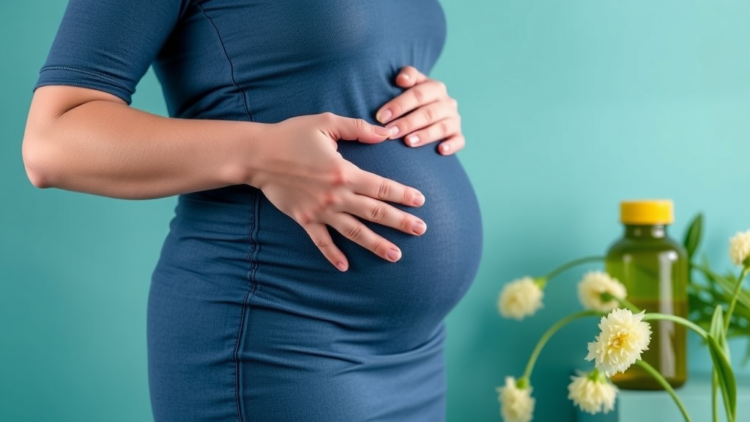
A new Infant Mental Health Journal study demonstrates that prenatal maternal depression has important consequences for infant temperament. Furthermore, the negative impact of prenatal maternal depression appeared to be magnified when pregnant women lived through Superstorm Sandy.

The study analyzed data on 310 mother-child dyads, with 64 percent of women being pregnant prior to Sandy and 36 percent being pregnant during Sandy. Compared with other infants, infants born to women with prenatal depression were more likely to experience greater distress, greater fear, lower smiling and laughter, lower high- and low-pleasure seeking, lower soothability, slower falling reactivity, lower cuddliness, and greater sadness at six months of age. These effects were amplified when women were pregnant during Superstorm Sandy.

“The fetal period is one of the most critical periods for neurodevelopment. Prenatal stress, especially during this critical period of fetal development, may render the developing brain more vulnerable to additional stressors such as maternal depression,” said lead author Dr. Yoko Nomura, of Queens College, the Advanced Research Science Center at The Graduate Center, CUNY and Icahn School of Medicine at Mount Sinai. “Natural disasters may increase in frequency and magnitude, but we can attempt to alleviate the negative impacts on offspring if we identify high risk pregnant mothers with depression and offer them interventions to make them more resilient.”

###

Media Contact
Penny Smith
[email protected]
http://dx.doi.org/10.1002/imhj.21766

Tags: Depression/AngerMedicine/HealthMental HealthPublic HealthStress/Anxiety
Share12Tweet8Share2ShareShareShare2

Related Posts

Researchers uncover new insights into immune cell activity in sarcoidosis

August 10, 2026

Mapping Menopause’s Links to Neurological Disorders: Priorities for Future Research

August 10, 2026

Standardized Tests Evaluate Nanozymes’ Superoxide Dismutase- and Catalase-Like Activities

August 10, 2026

Nirsevimab Immunization Outcomes in the First Two Years

August 10, 2026
Please login to join discussion

POPULAR NEWS

  • Computing Professor Wins $584K NSF CAREER Award for Smart-City Research

    29 shares
    Share 12 Tweet 7
  • AI Reveals NDRG1-Linked DNA Repair and Synthetic Lethality in Colorectal Cancer

    29 shares
    Share 12 Tweet 7
  • Boston College Chemist Alexis Grimaud Wins NSF CAREER Award

    29 shares
    Share 12 Tweet 7
  • Researchers uncover new insights into immune cell activity in sarcoidosis

    29 shares
    Share 12 Tweet 7

About

We bring you the latest biotechnology news from best research centers and universities around the world. Check our website.

Follow us

Recent News

Computing Professor Wins $584K NSF CAREER Award for Smart-City Research

AI Reveals NDRG1-Linked DNA Repair and Synthetic Lethality in Colorectal Cancer

Boston College Chemist Alexis Grimaud Wins NSF CAREER Award

Subscribe to Blog via Email

Enter your email address to subscribe to this blog and receive notifications of new posts by email.

Join 86 other subscribers
  • Contact Us

Bioengineer.org © Copyright 2023 All Rights Reserved.

Welcome Back!

Login to your account below

Forgotten Password?

Retrieve your password

Please enter your username or email address to reset your password.

Log In
No Result
View All Result
  • Homepages
    • Home Page 1
    • Home Page 2
  • News
  • National
  • Business
  • Health
  • Lifestyle
  • Science

Bioengineer.org © Copyright 2023 All Rights Reserved.