• HOME
  • NEWS
  • EXPLORE
    • CAREER
      • Companies
      • Jobs
    • EVENTS
    • iGEM
      • News
      • Team
    • PHOTOS
    • VIDEO
    • WIKI
  • BLOG
  • COMMUNITY
    • FACEBOOK
    • INSTAGRAM
    • TWITTER
Thursday, June 25, 2026
BIOENGINEER.ORG
No Result
View All Result
  • Login
  • HOME
  • NEWS
  • EXPLORE
    • CAREER
      • Companies
      • Jobs
        • Lecturer
        • PhD Studentship
        • Postdoc
        • Research Assistant
    • EVENTS
    • iGEM
      • News
      • Team
    • PHOTOS
    • VIDEO
    • WIKI
  • BLOG
  • COMMUNITY
    • FACEBOOK
    • INSTAGRAM
    • TWITTER
  • HOME
  • NEWS
  • EXPLORE
    • CAREER
      • Companies
      • Jobs
        • Lecturer
        • PhD Studentship
        • Postdoc
        • Research Assistant
    • EVENTS
    • iGEM
      • News
      • Team
    • PHOTOS
    • VIDEO
    • WIKI
  • BLOG
  • COMMUNITY
    • FACEBOOK
    • INSTAGRAM
    • TWITTER
No Result
View All Result
Bioengineer.org
No Result
View All Result
Home NEWS Science News Biology

Major findings help understand bacteria’s ‘superglue’

Bioengineer by Bioengineer
April 29, 2019
in Biology
Reading Time: 2 mins read
0
IMAGE
Share on FacebookShare on TwitterShare on LinkedinShare on RedditShare on Telegram

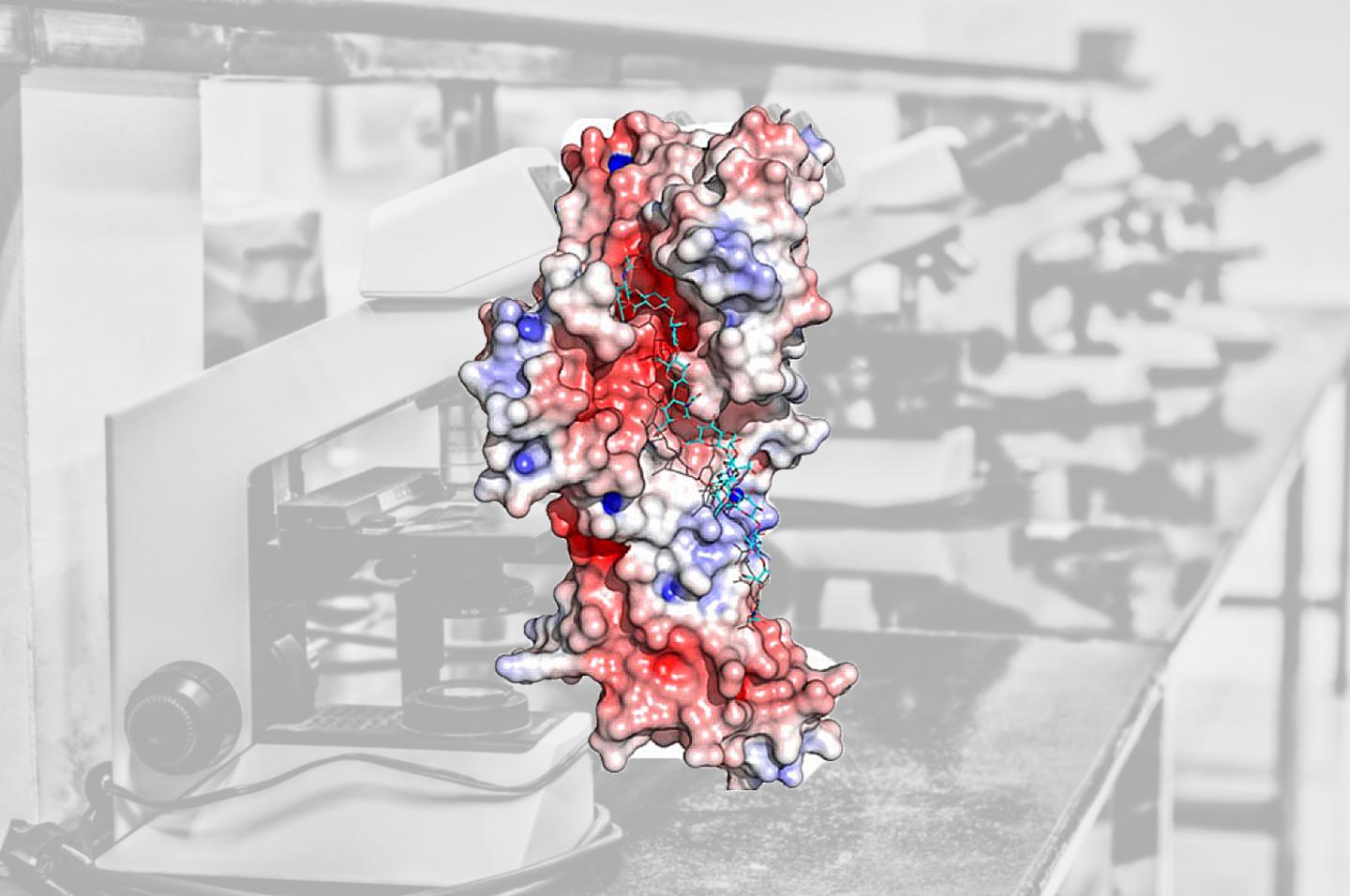
Understanding these superglue proteins could help in the battle against antibiotic resistance
IMAGE

Credit: La Trobe University

The discovery, published today in Nature Communications by researchers from La Trobe University and the University of Queensland, provides details on how proteins in the outer membrane of bacteria – the bacteria’s ‘superglue’ – are able to stick to and populate parts of the human body.

This new information paves the way for the development of innovative treatments for preventing and curing infections, in what could be a significant step forward for new anti-microbial development.

The study focused on UpaB – the superglue protein of a pathogen known to cause urinary tract infections within 50 per cent of women within their lifetime.

Similar proteins are found in the outer membrane of other pathogens responsible for infections ranging from life-threatening food poisoning to whooping cough, meningitis, typhus fever and chlamydia.

Lead researcher at La Trobe University, Dr BegoƱa Heras, said the study provides unprecedented fundamental science that could inform future solutions to the world health crisis in antibiotic resistance.

“The knowledge we now have on this bacteria’s protein gives us the ability to block the bacteria sticking to different parts of the human body,” said Dr Heras.

“Antibiotic resistance is an urgent, global problem and this information gives us an important opportunity to develop new anti-microbial treatments. Naturally, this is the next step for this research.”

La Trobe researcher Dr Jason Paxman added that there is a flip-side to these bacterial proteins in that they could be harnessed for good.

“There is nothing like these bacterial proteins in modern medicine; bacteria have had thousands of years to develop these adhesive proteins,” Dr Paxman explained.

“These findings could open up new opportunities such as delivering targeted therapies to parts of the human body, which could even help in the fight against cancer down the line.”

###

Media Contact
Georgia Brown
[email protected]

Related Journal Article

http://dx.doi.org/10.1038/s41467-019-09814-6

Tags: BacteriologyBiologyDiagnosticsHealth Professionals
Share12Tweet8Share2ShareShareShare2

Related Posts

Natural Hallucinogens: Evolution’s Ecological Tools, Not Mere Chemical Byproducts

June 25, 2026

This Famous Butterfly Revealed: Three Distinct Species Hidden in One

June 25, 2026

Scientists Attack Soybean Cyst Nematode by Starving Its Food Source

June 25, 2026

Decoding the Secret Code of a Crucial Immune Sensor

June 24, 2026
Please login to join discussion

POPULAR NEWS

  • Saying Goodbye to PGY-6: Pediatric Fellowship Realities

    103 shares
    Share 41 Tweet 26
  • Multi-Hospital Study Reveals Long Covid Burden Is Twice as High as Current Estimates

    92 shares
    Share 36 Tweet 23
  • Detection of EDCs in Breast Milk and Infant Urine Up to Six Months Highlights Early Exposure Risks

    77 shares
    Share 31 Tweet 19
  • New Drug Candidate Developed at McMaster Shows Potential for Treating Brain Cancer

    58 shares
    Share 23 Tweet 15

About

We bring you the latest biotechnology news from best research centers and universities around the world. Check our website.

Follow us

Recent News

Tracking Lanthanide-Labeled Microplastics in Plants

POSTECH Researchers Slash Cost of Reconstituted Cell-Free Systems by 95%

AI and Physics Collaborate to Design Advanced Hydrogen Storage Materials

Subscribe to Blog via Email

Enter your email address to subscribe to this blog and receive notifications of new posts by email.

Join 82 other subscribers
  • Contact Us

Bioengineer.org Ā© Copyright 2023 All Rights Reserved.

Welcome Back!

Login to your account below

Forgotten Password?

Retrieve your password

Please enter your username or email address to reset your password.

Log In
No Result
View All Result
  • Homepages
    • Home Page 1
    • Home Page 2
  • News
  • National
  • Business
  • Health
  • Lifestyle
  • Science

Bioengineer.org Ā© Copyright 2023 All Rights Reserved.