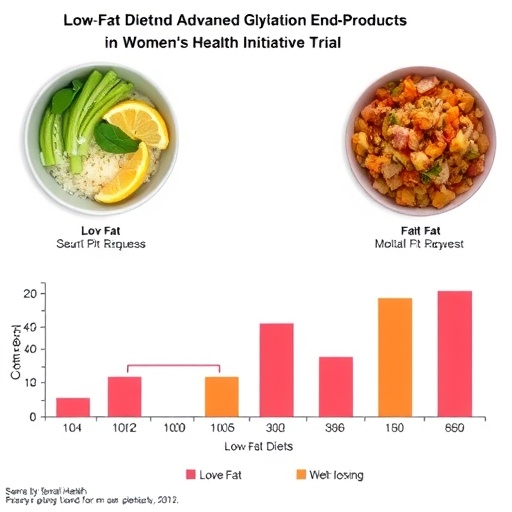

A new analysis of a landmark U.S. nutrition trial is adding nuance to a long-running question in cancer prevention: can what you eat—and how it’s processed—shift risk?
The study, published in British Journal of Cancer, re-examines dietary data from the Women’s Health Initiative (WHI), a randomized trial originally designed to test whether lifestyle and diet-related interventions could reduce disease. In this secondary analysis, researchers focused on two dietary themes rather than a single regimen.
First, they assessed adherence to a “low-fat dietary pattern,” a framework aimed at reducing total and certain types of fat intake. Second, they quantified “dietary advanced glycation end-products” (AGEs)—compounds formed when proteins or fats combine with sugars under heat, often increasing in foods subjected to high-temperature cooking such as grilling, roasting, or frying.
AGEs are biologically plausible contributors to cancer processes. Through interactions with cellular receptors (including the AGE-RAGE axis), they can promote oxidative stress, inflammatory signaling, and changes in cellular pathways linked to tumor development. The analysis therefore asks whether the dietary pattern that lowers fat also inadvertently lowers— or fails to lower—AGE exposure.
Using WHI data, investigators compared participants’ dietary patterns and estimated AGE intake. Because WHI included randomized elements, the researchers could probe diet–biomarker–risk relationships with more interpretability than typical observational nutrition studies, even though the present work remains a secondary analysis.
The findings suggest that the intersection of fat intake and AGE exposure may be important. In practical terms, a diet strategy focused only on macronutrients might miss a second lever: cooking-related chemistry that changes the molecular “fingerprint” of foods.
If dietary AGEs can be reliably reduced without compromising nutrition quality, it could become a more targeted approach within broader prevention efforts. However, translating estimates of AGE intake into clear, real-world guidance will likely require careful measurement of cooking methods and food preparation.
Overall, the work positions dietary advanced glycation end-products as a mechanistic link between everyday food processing and long-term cancer prevention outcomes—while reinforcing that “low-fat” alone may not capture the full story.
Subject of Research: Dietary pattern and dietary advanced glycation end-products (AGEs) intake in relation to cancer risk (secondary analysis of the Women’s Health Initiative randomized trial)
Article Title: Low-fat dietary pattern and dietary advanced glycation end-products intake: a secondary analysis of the Women’s Health Initiative randomized trial.
Article References: Pichardo, M.S., Hunt, R.P., Peterson, L.L. et al. Br J Cancer (2026). https://doi.org/10.1038/s41416-026-03514-x
Image Credits: AI Generated
DOI: https://doi.org/10.1038/s41416-026-03514-x
Keywords: Low-fat dietary pattern; advanced glycation end-products; Women’s Health Initiative; dietary exposure; cancer prevention; RAGE; secondary analysis
Tags: diet and oxidative stressdiet-related carcinogen exposuredietary advanced glycation end-productsdietary patterns and biomarkersheat-processed foods and healthimpact of cooking methods on healthinflammation-related cancer preventionlow-fat diet and cancer risknutrition trial analysisrandomized nutrition studieswomen’s health and diet interventionsWomen’s Health Initiative