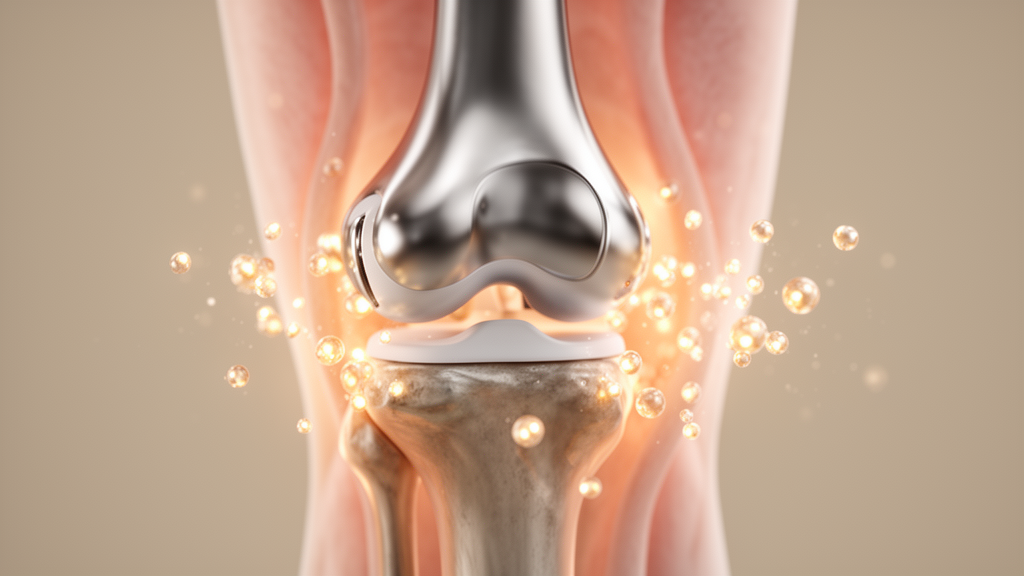
Clindamycin given at a typical dose of 300 mg three times daily appears to be an effective and well-tolerated option for treating prosthetic joint infections, according to a retrospective cohort study published in BMC Infectious Diseases. The single-centre study followed patients treated between 2010 and 2022 and found that roughly four in five patients achieved a two-year cure, whether the drug was given alone or combined with other antibiotics. Clindamycin is considered a potential treatment when first-line drugs are unsuitable, but questions have lingered about how well it performs in real-world clinical practice, particularly in combination with rifampicin.
That concern stems from pharmacokinetic monitoring showing that coadministration with rifampicin significantly reduces clindamycin concentrations in the body. The study set out to describe the real-world effectiveness and tolerability of clindamycin given alone or in combination with rifampicin or other antibiotics. The researchers identified patients treated for prosthetic joint infection according to a modified version of the 2011 Musculoskeletal Infection Society definition, which was used clinically during the study period.
Only patients receiving clindamycin-based therapy were included. Data were extracted manually from electronic records, and cure was defined strictly: patients needed to show no clinical or microbiological signs of recurrence caused by the same bacteria after 24 months of follow-up. Factors affecting treatment outcome were assessed using logistic regression analyses.
Across the cohort, two-year treatment success was 82 percent (95 percent confidence interval 75 to 90 percent, with 89 of 108 patients cured). Forty-six patients received clindamycin monotherapy and 62 received combination therapy. When outcomes were broken down by surgical strategy, success rates following DAIR were 72 percent (95 percent CI 58 to 85 percent), compared with 91 percent (95 percent CI 79 to 100 percent) after one-stage exchange and 94 percent (95 percent CI 85 to 100 percent) after two-stage exchange.
For the 40 patients who received clindamycin together with rifampicin, overall treatment success was 80 percent (95 percent CI 67 to 93 percent). This suggests that, despite the documented reduction in clindamycin concentrations when the two drugs are coadministered, the combination remained effective in practice for most patients in this cohort.
Not all results were favourable. In a multivariable logistic regression analysis, infection with Staphylococcus aureus was independently associated with lower treatment success, with an odds ratio of 0.17 (95 percent CI 0.05 to 0.64, p = 0.008). In other words, infections caused by this bacterium were considerably less likely to be cured with clindamycin-based regimens than infections caused by other organisms.
The study authors conclude that these regimens may therefore be less effective in S. aureus infections. Tolerability data added a further nuance. Side effects were significantly more frequent among patients receiving clindamycin plus rifampicin, affecting 39 percent of that group, compared with 10 percent of patients on clindamycin monotherapy, a difference that reached statistical significance (p = 0.002).
The study’s conclusions are measured. The authors state that clindamycin at 300 mg three times daily, administered as monotherapy or in combination with other antibiotics including rifampicin, appeared to be an effective and well-tolerated treatment for prosthetic joint infections, while flagging the reduced success in S. aureus cases. As a single-centre retrospective cohort study of patients who received clindamycin when first-line drugs were unsuitable, the findings describe observed outcomes in this selected population rather than results from a randomised comparison, and they will need to be weighed against other evidence as clinicians consider antibiotic choices for these difficult-to-treat infections.
Subject of Research: Effectiveness and tolerability of low-dose clindamycin for treating prosthetic joint infections
Article Title: Effectiveness and tolerability of low dose clindamycin for treatment of prosthetic joint infections, a retrospective cohort study
Article References: Ericsson, J., Gustafsson, T., Sköldenberg, O., Hedenstierna, M., Rysinska, A., & Ursing, J. (2026). Effectiveness and tolerability of low dose clindamycin for treatment of prosthetic joint infections, a retrospective cohort study. BMC Infectious Diseases, 26(1), Article 1649. https://doi.org/10.1186/s12879-026-14378-0
Image Credits: AI Generated
DOI: 10.1186/s12879-026-14378-0
Keywords: clindamycin, prosthetic joint infection, rifampicin, retrospective cohort study, Staphylococcus aureus, antibiotic therapy, DAIR, drug interaction, treatment success, BMC Infectious Diseases, Effectiveness, tolerability
News Source: Ophelia Keating. (October 27, 2026). Low-Dose Clindamycin Achieves 82% Two-Year Success Against Prosthetic Joint Infections. Scienmag.