• HOME
  • NEWS
  • EXPLORE
    • CAREER
      • Companies
      • Jobs
    • EVENTS
    • iGEM
      • News
      • Team
    • PHOTOS
    • VIDEO
    • WIKI
  • BLOG
  • COMMUNITY
    • FACEBOOK
    • INSTAGRAM
    • TWITTER
Monday, May 11, 2026
BIOENGINEER.ORG
No Result
View All Result
  • Login
  • HOME
  • NEWS
  • EXPLORE
    • CAREER
      • Companies
      • Jobs
        • Lecturer
        • PhD Studentship
        • Postdoc
        • Research Assistant
    • EVENTS
    • iGEM
      • News
      • Team
    • PHOTOS
    • VIDEO
    • WIKI
  • BLOG
  • COMMUNITY
    • FACEBOOK
    • INSTAGRAM
    • TWITTER
  • HOME
  • NEWS
  • EXPLORE
    • CAREER
      • Companies
      • Jobs
        • Lecturer
        • PhD Studentship
        • Postdoc
        • Research Assistant
    • EVENTS
    • iGEM
      • News
      • Team
    • PHOTOS
    • VIDEO
    • WIKI
  • BLOG
  • COMMUNITY
    • FACEBOOK
    • INSTAGRAM
    • TWITTER
No Result
View All Result
Bioengineer.org
No Result
View All Result
Home NEWS Science News Chemistry

Local solutions to global climate challenges — NSF grant

Bioengineer by Bioengineer
June 27, 2019
in Chemistry
Reading Time: 3 mins read
0
IMAGE
Share on FacebookShare on TwitterShare on LinkedinShare on RedditShare on Telegram

IMAGE

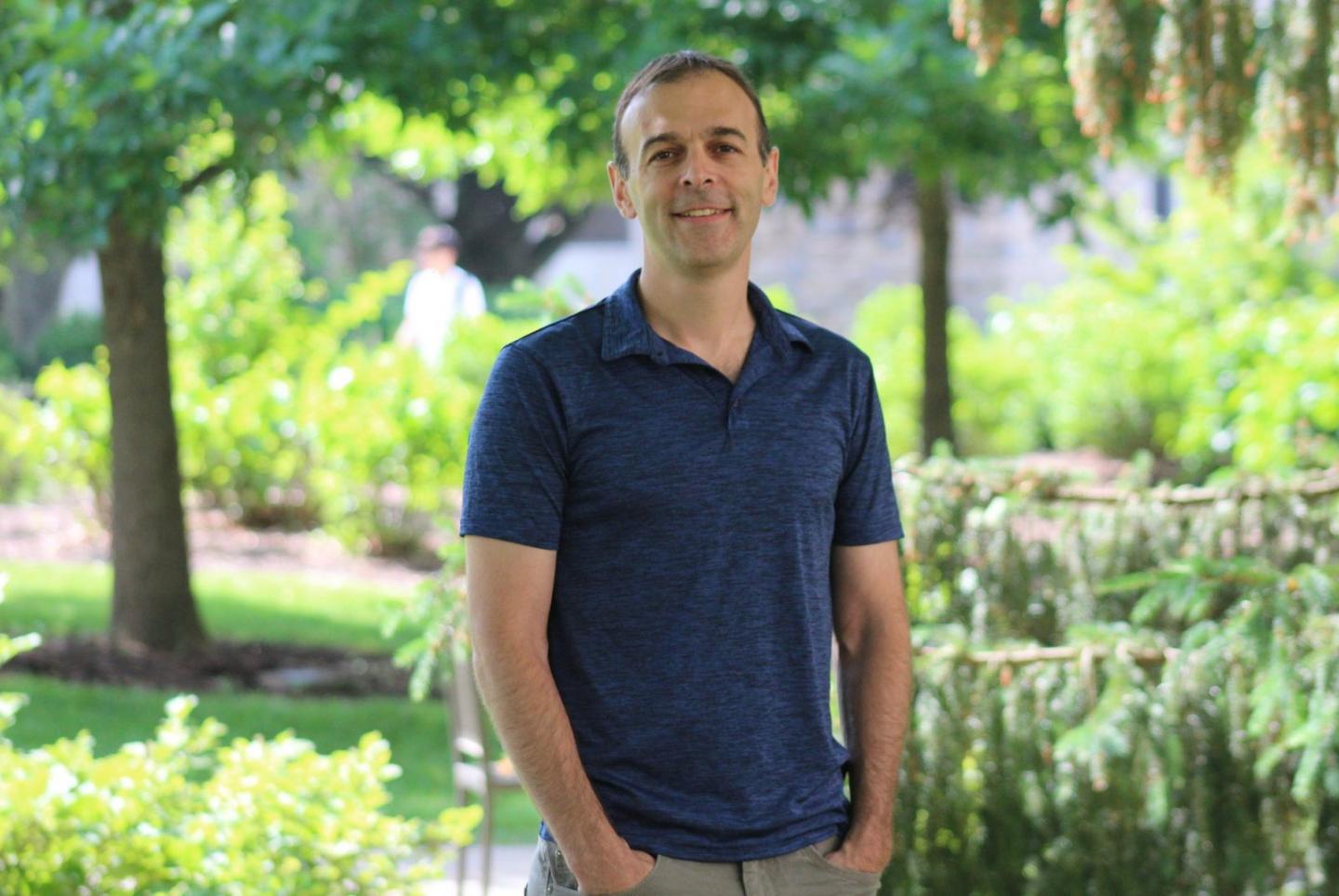
Credit: Virginia Tech

With extreme environmental events, such as drought, coastal and river flooding, and wildfires, increasing in frequency, there is an urgent need to develop strategies that will reduce negative outcomes.

A National Science Foundation grant will help Professor Marc Stern of the College of Natural Resources and Environment study and develop workshops that will empower local communities to take action against climate challenges.

“This isn’t about experts coming in to tell a community they need to do x, y, and z,” Stern explained. “Instead, we’re trying to give communities planning tools and strategies so they can go ahead and do the work that needs to be done.”

The first component of Stern’s project is to survey experts who facilitate workshops that focus on using climate-relevant science to address a broad range of challenges. The project will integrate those strategies with a survey of the experiences of workshop participants. This two-step process will provide a holistic view of what is successful in these workshops and identify potential blind spots for reaching audiences and promoting positive change.

From those findings, the second component is to test strategies in a series of climate adaptation workshops around the U.S. These field tests of effective practices will enable the researchers and workshop facilitators to further refine their understanding of how learning takes place in informal learning environments. The workshops will focus on empowering people to take local action to address a worldwide concern.

“If environmental concerns are framed exclusively as a global challenge, it’s easy to brush them off as something too big to take on,” Stern said. “When you instead make it local — when you say, ‘here’s a community, here’s what’s happening, here’s what’s predicted, so let’s talk about it’ — that makes the challenge manageable. The global side, and the politics surrounding it, becomes a secondary issue; rather, you’re concerned that every time it rains your town has a flood, and you start thinking about what to do about it.”

In order for these workshops to successfully reach and resonate with the intended local audiences, Stern notes that it is crucial that the workshops be developed to engender trust between experts and participants so that successful collaboration can happen.

“We’ve done a lot of research around how trust can be developed in collaborative settings, which we hope to translate to facilitation techniques that can lead to a sense of empowerment and participation. We want participants to leave these workshops with a sense that they can solve these challenges.”

The project is a collaboration between Virginia Tech and EcoAdapt, a nonprofit dedicated to helping governments, organizations, and individuals develop climate change adaptations to make communities better prepared and protected from environmental challenges.

For Stern, a faculty member in the Department of Forest Resources and Environmental Conservation, the project is a chance to make a lasting change in the world.

“I look for projects where I can make an on-the-ground, tangible difference, and this is an obvious place to do that,” Stern said. “If we can help even one of these communities on a positive path toward dealing with climate challenges by adapting their policies and planning efforts, that impact would be well worth the effort.”

###

The continuous grant from the National Science Foundation will run through 2023.

Media Contact
Krista Timney
[email protected]

Original Source

http://vtnews.vt.edu/articles/2019/06/cnre-stern-nsf-grant.html?utm_source=cmpgn_news&utm_medium=email&utm_campaign=vtUnirelNewsDailyPublicCMP_062719-public

Tags: Climate ChangeClimate ScienceEarth ScienceEducationEnergy SourcesEnvironmental HealthScience/Math
Share12Tweet8Share2ShareShareShare2

Related Posts

Miniature Sensor Uses Light to Detect Touch — Chemistry

Miniature Sensor Uses Light to Detect Touch

May 8, 2026
Iron Minerals Determine Whether Dissolved Organic Matter Fuels Microbes or Becomes Long-Term Carbon Storage — Chemistry

Iron Minerals Determine Whether Dissolved Organic Matter Fuels Microbes or Becomes Long-Term Carbon Storage

May 8, 2026

Kate Evans Appointed Associate Lab Director for Biological and Environmental Systems Science at ORNL

May 8, 2026

Advancing Multiscale Modeling and Overcoming Operational Challenges in Autothermal COâ‚‚-to-Methanol Reactors

May 8, 2026
Please login to join discussion

POPULAR NEWS

  • Research Indicates Potential Connection Between Prenatal Medication Exposure and Elevated Autism Risk

    841 shares
    Share 336 Tweet 210
  • New Study Reveals Plants Can Detect the Sound of Rain

    728 shares
    Share 290 Tweet 182
  • Salmonella Haem Blocks Macrophages, Boosts Infection

    62 shares
    Share 25 Tweet 16
  • Breastmilk Balances E. coli and Beneficial Bacteria in Infant Gut Microbiomes

    57 shares
    Share 23 Tweet 14

About

We bring you the latest biotechnology news from best research centers and universities around the world. Check our website.

Follow us

Recent News

HIV-1 Strains Reveal Varied Paths to Antibody Escape

Rapid Nanopore Genomics Tracks Malaria Across Africa

Global City Growth Decouples from Fossil Fuels

Subscribe to Blog via Email

Enter your email address to subscribe to this blog and receive notifications of new posts by email.

Join 82 other subscribers
  • Contact Us

Bioengineer.org © Copyright 2023 All Rights Reserved.

Welcome Back!

Login to your account below

Forgotten Password?

Retrieve your password

Please enter your username or email address to reset your password.

Log In
No Result
View All Result
  • Homepages
    • Home Page 1
    • Home Page 2
  • News
  • National
  • Business
  • Health
  • Lifestyle
  • Science

Bioengineer.org © Copyright 2023 All Rights Reserved.