

• HOME
  • NEWS
  • EXPLORE
    • CAREER
      • Companies
      • Jobs
    • EVENTS
    • iGEM
      • News
      • Team
    • PHOTOS
    • VIDEO
    • WIKI
  • BLOG
  • COMMUNITY
    • FACEBOOK
    • INSTAGRAM
    • TWITTER
Monday, July 27, 2026
BIOENGINEER.ORG
No Result
View All Result
  • Login
  • HOME
  • NEWS
  • EXPLORE
    • CAREER
      • Companies
      • Jobs
        • Lecturer
        • PhD Studentship
        • Postdoc
        • Research Assistant
    • EVENTS
    • iGEM
      • News
      • Team
    • PHOTOS
    • VIDEO
    • WIKI
  • BLOG
  • COMMUNITY
    • FACEBOOK
    • INSTAGRAM
    • TWITTER
  • HOME
  • NEWS
  • EXPLORE
    • CAREER
      • Companies
      • Jobs
        • Lecturer
        • PhD Studentship
        • Postdoc
        • Research Assistant
    • EVENTS
    • iGEM
      • News
      • Team
    • PHOTOS
    • VIDEO
    • WIKI
  • BLOG
  • COMMUNITY
    • FACEBOOK
    • INSTAGRAM
    • TWITTER
No Result
View All Result
Bioengineer.org
No Result
View All Result
Home NEWS Science News Biology

Lithuanians created technology for treating oily water: exceeds requirements 10 times

Bioengineer by Bioengineer
March 23, 2018
in Biology
Reading Time: 2 mins read
0
Share on FacebookShare on TwitterShare on LinkedinShare on RedditShare on Telegram
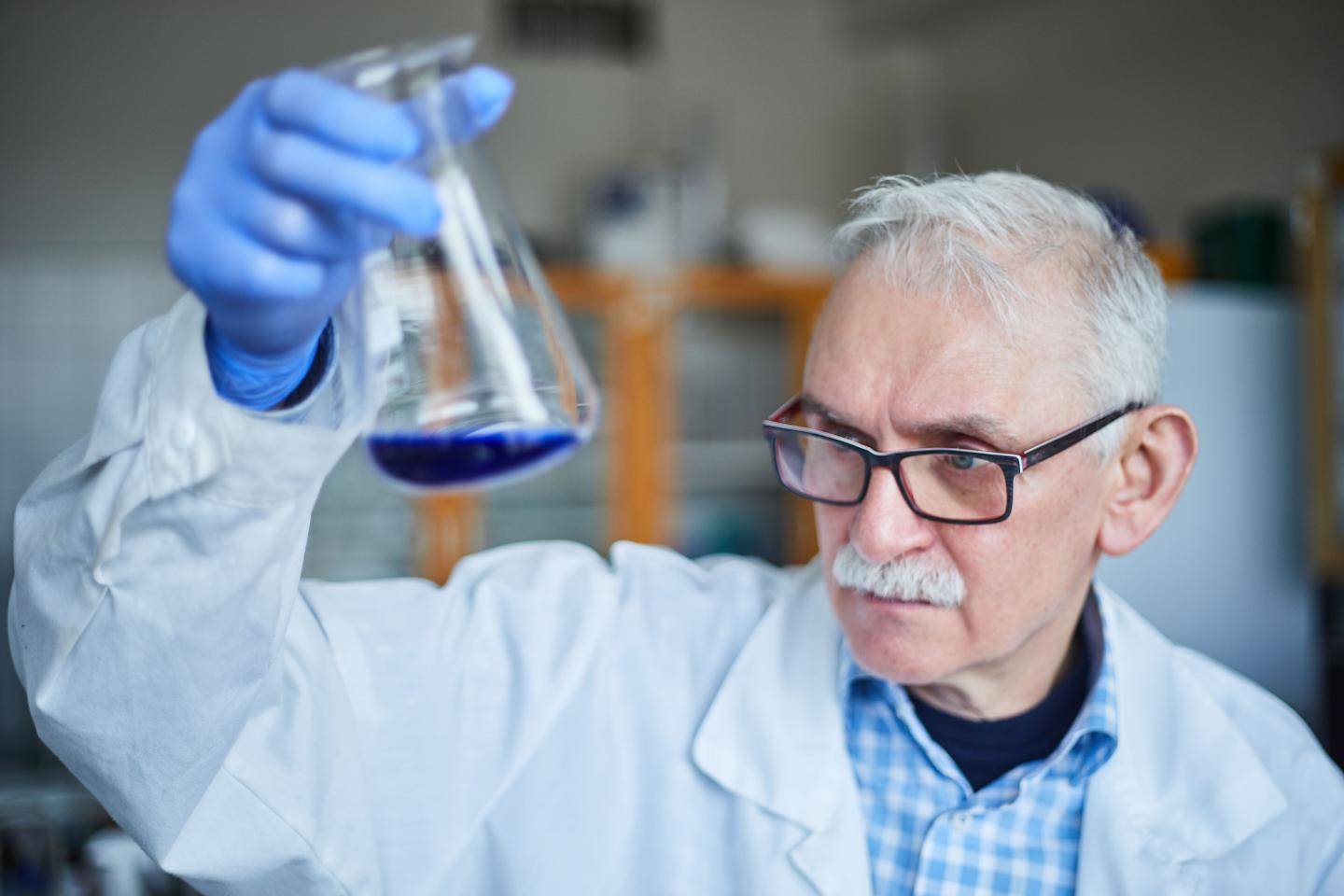
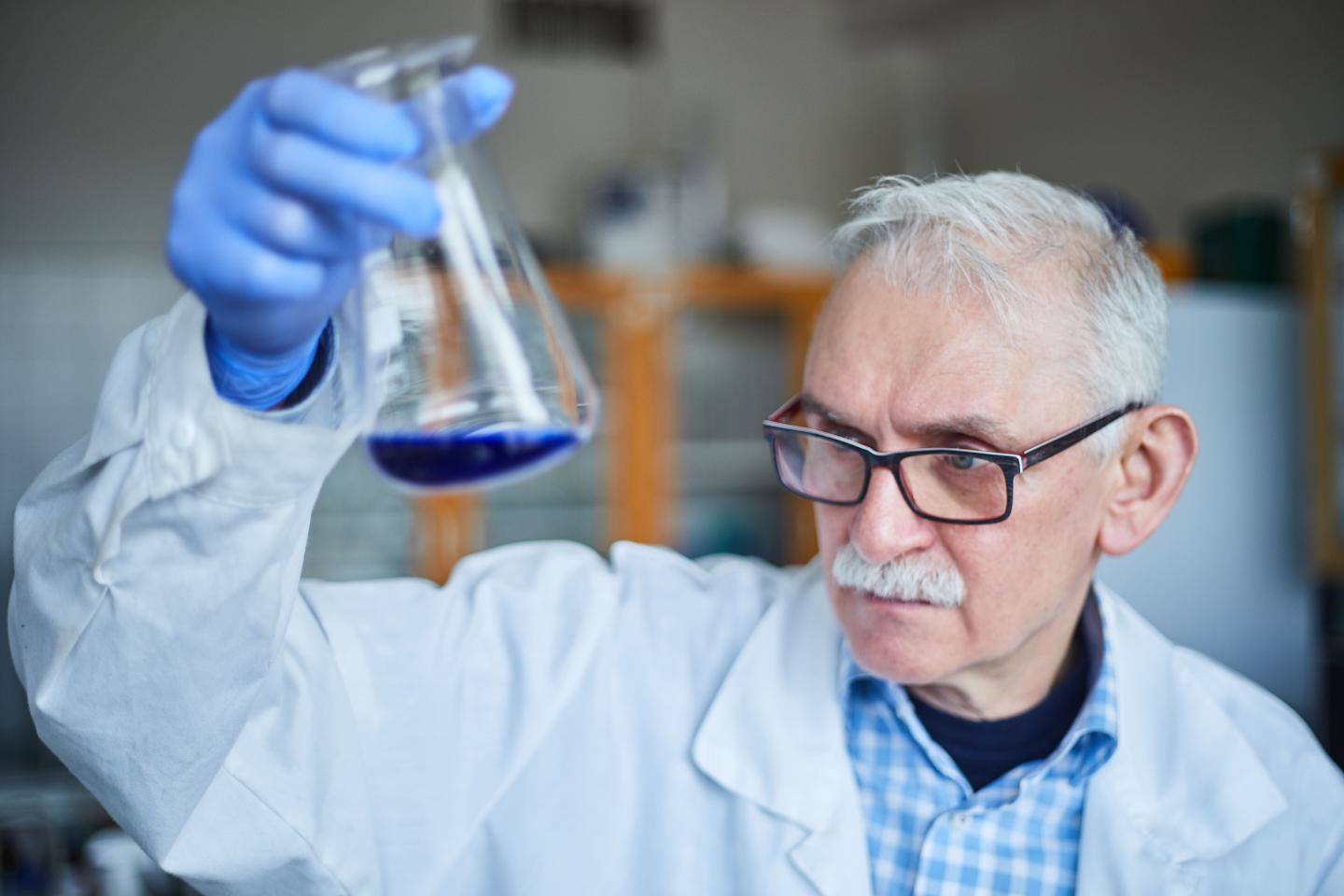
IMAGE

Credit: KTU

Wastewater treatment technology created at Kaunas University of Technology (KTU), Lithuania efficiently cleans water from oil products leaving it virtually pollution-free (the concentration of oil discharge in treated water is about 0.2 mg/L). Given the efficiency, the technology is much cheaper than the alternatives currently known in the market.

Although the regulations slightly vary from country to country, mainly in Europe and America oil discharge in water must meet 5mg/L for discharges to surface water drains and the water environment. Although marine life can survive this degree of pollution, the oil products pass into organisms affecting their health and transferring toxic substances further into ecosystem.

"After treatment with our technology the wastewater from oil industries released into the sea not only meets legal requirements,

but is virtually clean", says Associate Professor Viktoras Racys, researcher at KTU Faculty of Chemical Technology.

Biological wastewater treatment technology developed at KTU employs microorganisms, which can adapt to certain environment and synthesize ferments to "digest" oil products turning them into CO2 and H2O. The technology has been successfully implemented in Lithuanian oil transfer company Klaipedos Nafta. At the moment, it is being modified to be used in other areas of activity potentially connected to organic contamination, such as food, chemical, agricultural production industries.

According to KTU researcher, the essential challenge is to ensure the stability of microorganisms used for water treatment technology: it is very difficult to cultivate them and very easy to lose.

"Our secret is that we have found out a way of keeping those microorganisms in the system, so they don't leave. Thanks to this, our technology is very stable and very reliable, basically indestructible", says Viktoras Racys.

vThe currently working KTU-invented technology cleans 160 m3 per hour. It is ready to use in sensitive environmental regions, for the treatment of oil production and refinery wastewater, ballast water, the run-off from car washes and car parks and any petroleum polluted wastewater containing both legally regulated compounds and the most toxic or persistent compounds.

###

Media Contact

Aldona Tuur
[email protected]
370-612-55857
@ktunews

Pradinis puslapis

Original Source

http://2017.ktu.edu/en/newitem/lithuanians-created-technology-treating-oily-water-efficiency-exceeds-requirements-10-times


Share12Tweet8Share2ShareShareShare2

Related Posts

Endocytosis-Independent Biomolecule Delivery: Direct Translocation Past Cellular Barriers

Endocytosis-Independent Biomolecule Delivery: Direct Translocation Past Cellular Barriers

July 26, 2026
Scientists uncover molecular mechanisms of Pirsonia diadema infection in diatoms

Scientists uncover molecular mechanisms of Pirsonia diadema infection in diatoms

July 26, 2026

T-Cell Engagers: Balancing Activity and Safety in Engineering Designs

July 26, 2026

SPF2 and SGO2/CTF18 limit centromere-near crossovers by regulating SUMOylation

July 26, 2026
Please login to join discussion

POPULAR NEWS

  • China’s urban building energy efficiency costs outweighed by energy savings

    29 shares
    Share 12 Tweet 7
  • Resting-State EEG Reveals Spectral Power and Connectivity Changes in MSA

    29 shares
    Share 12 Tweet 7
  • Skin-Adhesive Bimodal Patch Measures Occlusal Function for Dental Assessment

    29 shares
    Share 12 Tweet 7
  • Open-Access Database Charts Pathogens and Antibiotic Resistance Risks in Coastal Waters

    29 shares
    Share 12 Tweet 7

About

We bring you the latest biotechnology news from best research centers and universities around the world. Check our website.

Follow us

Recent News

China’s urban building energy efficiency costs outweighed by energy savings

Resting-State EEG Reveals Spectral Power and Connectivity Changes in MSA

Skin-Adhesive Bimodal Patch Measures Occlusal Function for Dental Assessment

Subscribe to Blog via Email

Enter your email address to subscribe to this blog and receive notifications of new posts by email.

Join 85 other subscribers
  • Contact Us

Bioengineer.org © Copyright 2023 All Rights Reserved.

Welcome Back!

Login to your account below

Forgotten Password?

Retrieve your password

Please enter your username or email address to reset your password.

Log In
No Result
View All Result
  • Homepages
    • Home Page 1
    • Home Page 2
  • News
  • National
  • Business
  • Health
  • Lifestyle
  • Science

Bioengineer.org © Copyright 2023 All Rights Reserved.