• HOME
  • NEWS
  • EXPLORE
    • CAREER
      • Companies
      • Jobs
    • EVENTS
    • iGEM
      • News
      • Team
    • PHOTOS
    • VIDEO
    • WIKI
  • BLOG
  • COMMUNITY
    • FACEBOOK
    • INSTAGRAM
    • TWITTER
Friday, March 27, 2026
BIOENGINEER.ORG
No Result
View All Result
  • Login
  • HOME
  • NEWS
  • EXPLORE
    • CAREER
      • Companies
      • Jobs
        • Lecturer
        • PhD Studentship
        • Postdoc
        • Research Assistant
    • EVENTS
    • iGEM
      • News
      • Team
    • PHOTOS
    • VIDEO
    • WIKI
  • BLOG
  • COMMUNITY
    • FACEBOOK
    • INSTAGRAM
    • TWITTER
  • HOME
  • NEWS
  • EXPLORE
    • CAREER
      • Companies
      • Jobs
        • Lecturer
        • PhD Studentship
        • Postdoc
        • Research Assistant
    • EVENTS
    • iGEM
      • News
      • Team
    • PHOTOS
    • VIDEO
    • WIKI
  • BLOG
  • COMMUNITY
    • FACEBOOK
    • INSTAGRAM
    • TWITTER
No Result
View All Result
Bioengineer.org
No Result
View All Result
Home NEWS Science News

Like oil and water

Bioengineer by Bioengineer
June 22, 2020
in Science News
Reading Time: 2 mins read
0
IMAGE
Share on FacebookShare on TwitterShare on LinkedinShare on RedditShare on Telegram

Pitt ChemE professor receives $110k ACS PRF grant for novel 3D-printed oil-water separating membrane for gas and petroleum industry
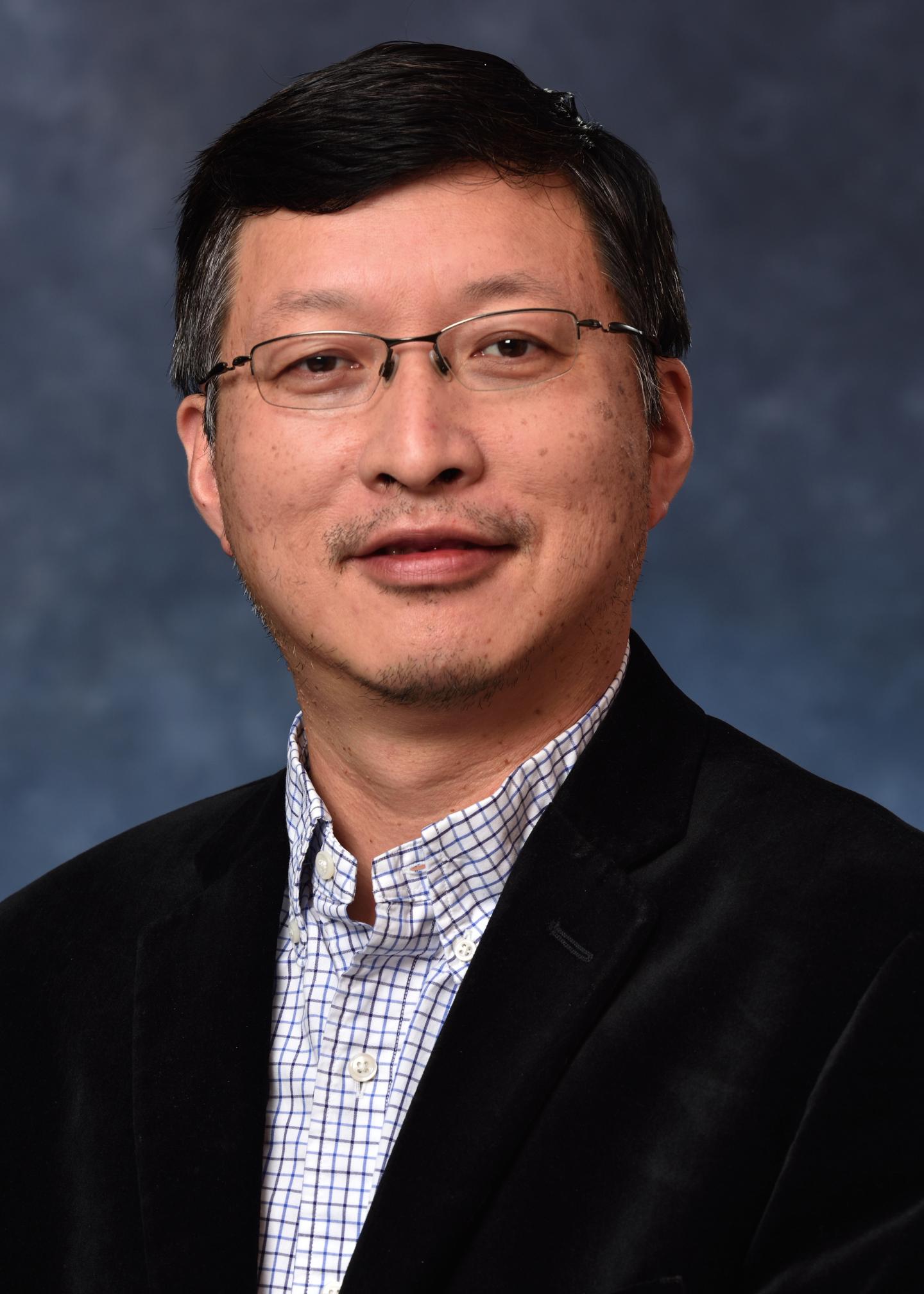
IMAGE

Credit: University of Pittsburgh

PITTSBURGH (June 22, 2020) — In the petroleum industry, the ability to separate oil and water is critical. Oily wastewater from drilling and processing crude oil is the biggest waste stream in the oil and gas industry, which produces three times as much waste as it does product.

Lei Li, associate professor of chemical and petroleum engineering at the University of Pittsburgh’s Swanson School of Engineering, has received $110,000 from the American Chemical Society (ACS) Petroleum Research Fund (PRF) for his work developing 3D-printed membranes that will aid in oil-water separation. The development could help convert the oily wastewater into purified, usable water.

“The ideal case for a membrane that serves this purpose is a material that is oleophobic and hydrophilic–in other words, one that hates oil but loves water,” said Li. “What’s new about this work is its focus on surface and in-pore topography: The texture of the surface of the material and even the texture inside of the pores of the material have a profound effect on the membrane’s effectiveness.”

Current fluorinated hydrophilic and oleophobic membranes have been shown to be effective in the short-term but lose their properties in the long-term. Li’s method will instead rely on water as a thermodynamically stable material and will engineer the surface topography inside the membrane’s pores so that the water and oil remain separated.

“Previously, such features were fabricated by nanolithography methods, which are slow and expensive. In this project, we propose to take advantage of two-photon polymerization 3D-printing technique,” explained Li. “Compared to traditional manufacturing technology, this provides a reasonably fast, single-step process to fabricate complicated structures.”

Additionally, the high resolution that two-photon polymerization 3D-printing enables will allow the researchers to make the membrane’s pore size down to a few hundred nanometers, which is critical in separating oil-water emulsions.

The grant will last for two years, beginning Sept. 1, 2020.

###

Media Contact
Maggie Pavlick
[email protected]

Original Source

https://www.engineering.pitt.edu/News/2020/Li-ACS-Grant/

Tags: Chemistry/Physics/Materials SciencesEcology/EnvironmentIndustrial Engineering/ChemistryMaterialsPolymer Chemistry
Share12Tweet8Share2ShareShareShare2

Related Posts

Starburst Winds Drain Supernova Energy Quickly

Starburst Winds Drain Supernova Energy Quickly

March 26, 2026
Decoding the Phosphorus Puzzle: How Microplastics and Hydrochar Transform Nutrient Dynamics in Rice Paddies

Decoding the Phosphorus Puzzle: How Microplastics and Hydrochar Transform Nutrient Dynamics in Rice Paddies

March 26, 2026

Microtubules Found to Actively Ensure Accurate Chromosome Distribution During Cell Division

March 25, 2026

Aversive Learning Hijacks Brain Sugar Sensor

March 25, 2026
Please login to join discussion

POPULAR NEWS

  • blank

    Revolutionary AI Model Enhances Precision in Detecting Food Contamination

    96 shares
    Share 38 Tweet 24
  • Imagine a Social Media Feed That Challenges Your Views Instead of Reinforcing Them

    1003 shares
    Share 397 Tweet 248
  • Uncovering Functions of Cavernous Malformation Proteins in Organoids

    54 shares
    Share 22 Tweet 14
  • Promising Outcomes from First Clinical Trials of Gene Regulation in Epilepsy

    51 shares
    Share 20 Tweet 13

About

We bring you the latest biotechnology news from best research centers and universities around the world. Check our website.

Follow us

Recent News

In-Sensor Cryptography Links Physical Process to Digital Identity

Can Psychosocial Factors Influence Cancer Risk?

Depression Factors in Elderly: Pre vs. Post-COVID Analysis

Subscribe to Blog via Email

Success! An email was just sent to confirm your subscription. Please find the email now and click 'Confirm' to start subscribing.

Join 78 other subscribers
  • Contact Us

Bioengineer.org © Copyright 2023 All Rights Reserved.

Welcome Back!

Login to your account below

Forgotten Password?

Retrieve your password

Please enter your username or email address to reset your password.

Log In
No Result
View All Result
  • Homepages
    • Home Page 1
    • Home Page 2
  • News
  • National
  • Business
  • Health
  • Lifestyle
  • Science

Bioengineer.org © Copyright 2023 All Rights Reserved.