• HOME
  • NEWS
  • EXPLORE
    • CAREER
      • Companies
      • Jobs
    • EVENTS
    • iGEM
      • News
      • Team
    • PHOTOS
    • VIDEO
    • WIKI
  • BLOG
  • COMMUNITY
    • FACEBOOK
    • INSTAGRAM
    • TWITTER
Tuesday, August 4, 2026
BIOENGINEER.ORG
No Result
View All Result
  • Login
  • HOME
  • NEWS
  • EXPLORE
    • CAREER
      • Companies
      • Jobs
        • Lecturer
        • PhD Studentship
        • Postdoc
        • Research Assistant
    • EVENTS
    • iGEM
      • News
      • Team
    • PHOTOS
    • VIDEO
    • WIKI
  • BLOG
  • COMMUNITY
    • FACEBOOK
    • INSTAGRAM
    • TWITTER
  • HOME
  • NEWS
  • EXPLORE
    • CAREER
      • Companies
      • Jobs
        • Lecturer
        • PhD Studentship
        • Postdoc
        • Research Assistant
    • EVENTS
    • iGEM
      • News
      • Team
    • PHOTOS
    • VIDEO
    • WIKI
  • BLOG
  • COMMUNITY
    • FACEBOOK
    • INSTAGRAM
    • TWITTER
No Result
View All Result
Bioengineer.org
No Result
View All Result
Home NEWS Science News Biology

Life in the fast lane: USU ecologist says dispersal ability linked to plants’ life cycles

Bioengineer by Bioengineer
June 18, 2018
in Biology
Reading Time: 2 mins read
0
Share on FacebookShare on TwitterShare on LinkedinShare on RedditShare on Telegram
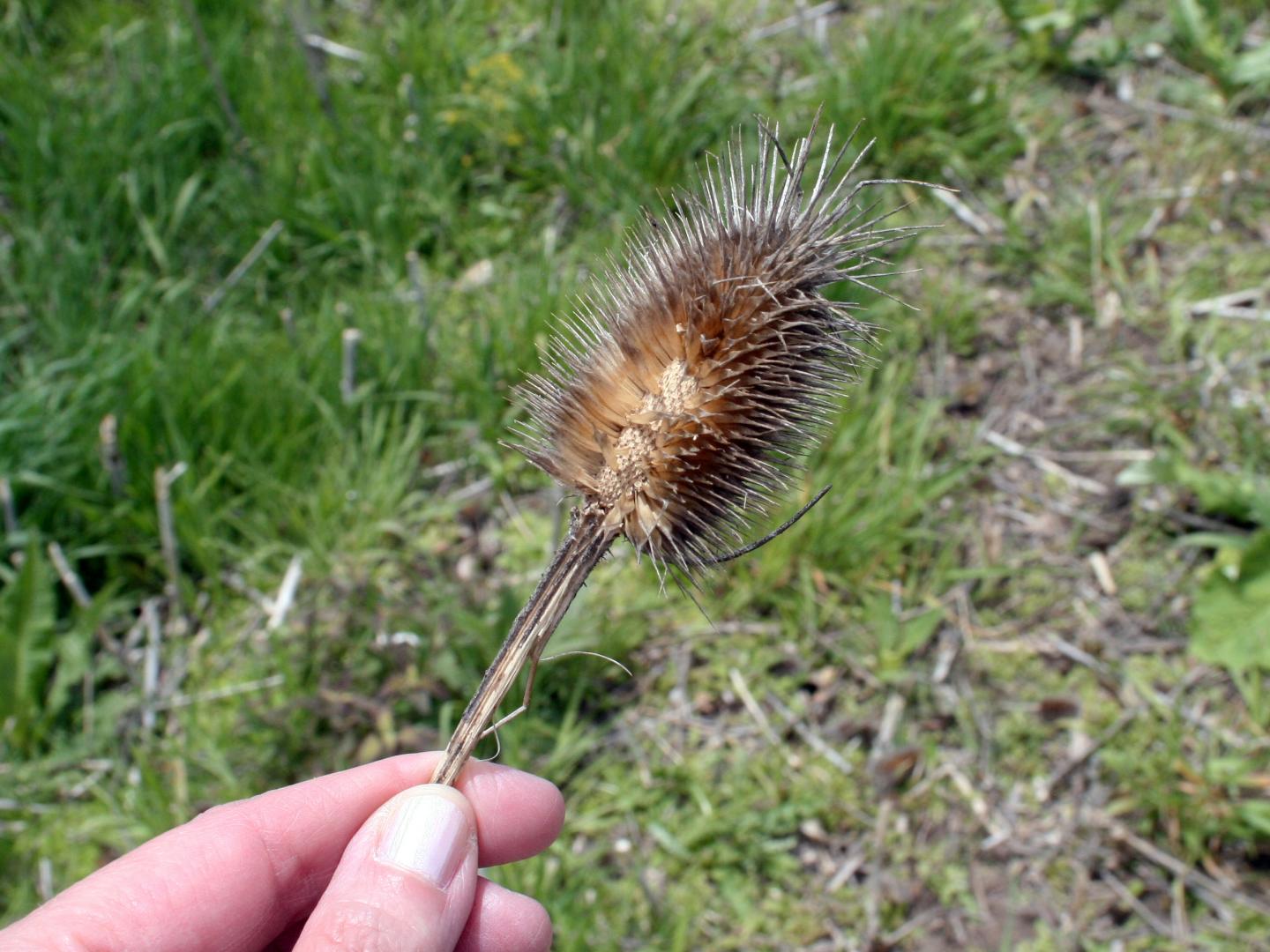
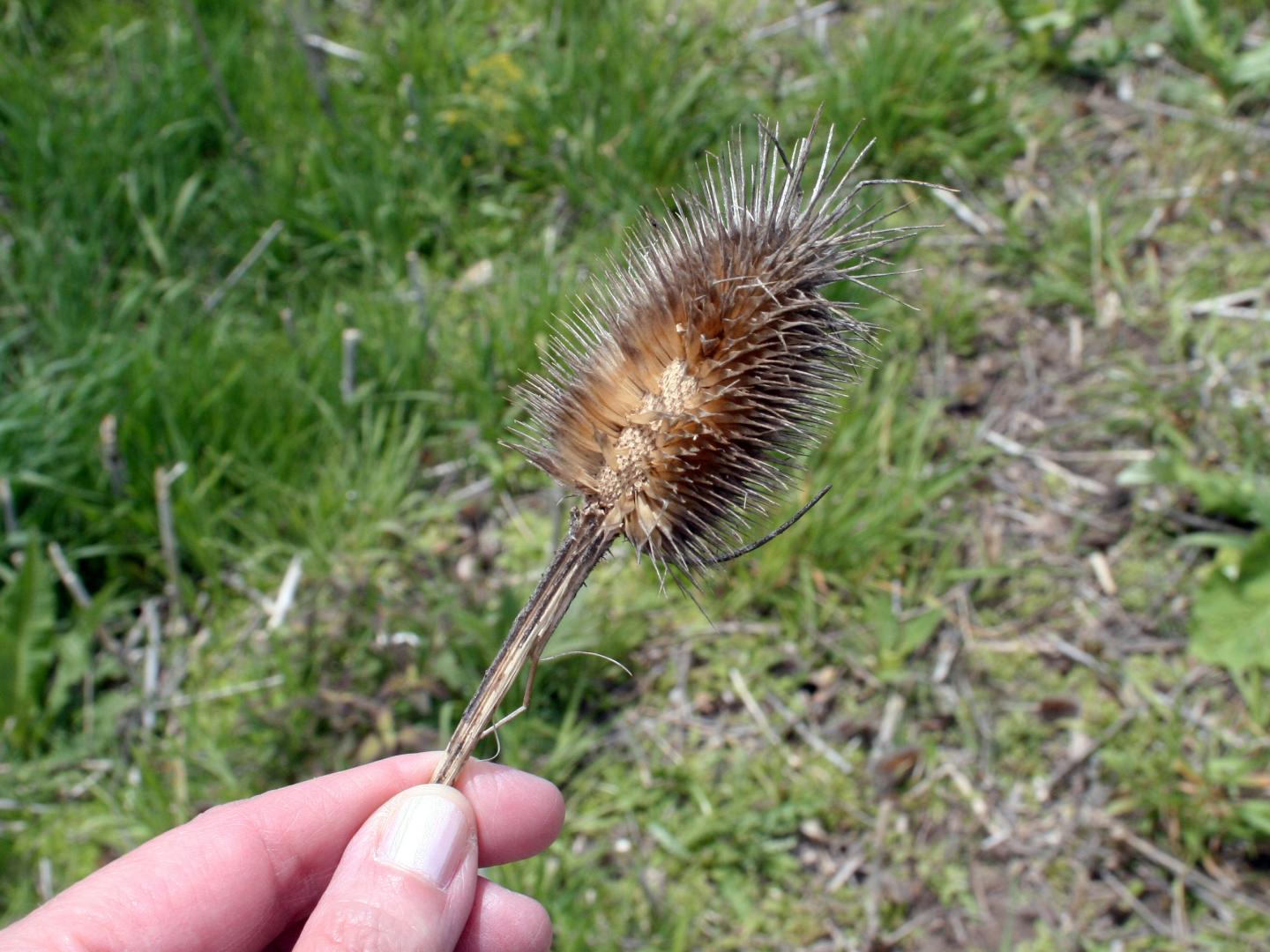
IMAGE

Credit: Mary-Ann Muffoletto/USU

LOGAN, UTAH, USA – Though mostly rooted in the ground, plants have a number of innovative ways to disperse their seeds and get on with the business of propagation. They drop seeds or release them to the wind. Or they fling seeds with a dramatic mechanical detonation. Or they rely on seed transport by water or hitching a ride on a traveling animal (including humans).

"Seed dispersal is an essential, yet overlooked process of plant demography," says Utah State University ecologist Noelle Beckman. "But it's difficult to empirically observe, measure and assess its full influence."

To that end, Beckman, with colleagues James Bullock of the United Kingdom's Centre for Ecology & Hydrology and Rob Salguero-Gómez of the University of Oxford, used the massive COMPADRE Plant Matrix Database, an online repository containing demographic information about thousands of plant species throughout the world, to analyze hundreds of disparate datasets of plant life-history strategies.

The team reports their findings in the June 18, 2018, issue of the Journal of Ecology. Their paper is part of a special British Ecological Society cross-journal feature that provides an overview of forces and mechanisms producing worldwide plant and animal diversity. Their research was supported by the National Science Foundation, the Centre for Ecology & Hydrology, the Australian Research Council and the U.K.'s Natural Environment Research Council.

"Our analyses revealed plant life-history strategies are largely explained by growth, survival and reproduction, and by how far plants disperse their seeds," says Beckman, assistant professor in USU's Department of Biology and the USU Ecology Center. "

The scientists found dispersal ability is related to fast life histories with maximum dispersal distances positively related to high reproductive rates, a long window of reproduction and a low likelihood of escaping senescence or growing old.

"The faster the life history, the farther distances seeds are dispersed," Beckman says. "This may allow the species to take advantage of environments that vary unpredictably."

Dispersal, she says, is a central process in ecology and evolution.

"Movement of individual plants affects genetic diversity and species' capacity for adaptation," Beckman says. "Global changes, such as climate change or landscape fragmentation, that disrupt dispersal have consequences. With analytical tools, we can examine these consequences on plant performance, spatial patterns, population spread and biodiversity."

###

Media Contact

Noelle Beckman
[email protected]
435-797-4115

http://www.usu.edu

Related Journal Article

http://dx.doi.org/10.1111/1365-2745.12989
Share12Tweet8Share2ShareShareShare2

Related Posts

Indigenous-led conservation efforts boost survival of endangered cockatoos

Indigenous-led conservation efforts boost survival of endangered cockatoos

August 4, 2026
New study sheds light on bonnethead sharks’ long-standing mystery

New study sheds light on bonnethead sharks’ long-standing mystery

August 4, 2026

Ancient snakes adapted to underground, terrestrial, and marine environments

August 3, 2026

Butterflies offer clues to ecosystem health and changing habitats

August 3, 2026
Please login to join discussion

POPULAR NEWS

  • Indigenous-led conservation efforts boost survival of endangered cockatoos

    29 shares
    Share 12 Tweet 7
  • Naval leaders mark ONR anniversary, emphasizing personal impact over theory

    29 shares
    Share 12 Tweet 7
  • Targeted therapy combinations may overcome treatment resistance in advanced prostate cancer

    29 shares
    Share 12 Tweet 7
  • Scientists push the frontiers of ultracold neutral plasma research

    29 shares
    Share 12 Tweet 7

About

We bring you the latest biotechnology news from best research centers and universities around the world. Check our website.

Follow us

Recent News

Indigenous-led conservation efforts boost survival of endangered cockatoos

Naval leaders mark ONR anniversary, emphasizing personal impact over theory

Targeted therapy combinations may overcome treatment resistance in advanced prostate cancer

Subscribe to Blog via Email

Enter your email address to subscribe to this blog and receive notifications of new posts by email.

Join 86 other subscribers
  • Contact Us

Bioengineer.org © Copyright 2023 All Rights Reserved.

Welcome Back!

Login to your account below

Forgotten Password?

Retrieve your password

Please enter your username or email address to reset your password.

Log In
No Result
View All Result
  • Homepages
    • Home Page 1
    • Home Page 2
  • News
  • National
  • Business
  • Health
  • Lifestyle
  • Science

Bioengineer.org © Copyright 2023 All Rights Reserved.