• HOME
  • NEWS
  • EXPLORE
    • CAREER
      • Companies
      • Jobs
    • EVENTS
    • iGEM
      • News
      • Team
    • PHOTOS
    • VIDEO
    • WIKI
  • BLOG
  • COMMUNITY
    • FACEBOOK
    • INSTAGRAM
    • TWITTER
Thursday, November 19, 2026
BIOENGINEER.ORG
No Result
View All Result
  • Login
  • HOME
  • NEWS
  • EXPLORE
    • CAREER
      • Companies
      • Jobs
        • Lecturer
        • PhD Studentship
        • Postdoc
        • Research Assistant
    • EVENTS
    • iGEM
      • News
      • Team
    • PHOTOS
    • VIDEO
    • WIKI
  • BLOG
  • COMMUNITY
    • FACEBOOK
    • INSTAGRAM
    • TWITTER
No Result
View All Result
Bioengineer.org
No Result
View All Result
Home NEWS Science News Agriculture

Laboratory Evolution Yields Heat-Tolerant Probiotic Strain With Multi-Stress Resilience

by
November 12, 2026
in Agriculture
Reading Time: 2 mins read
0
Laboratory Evolution Yields Heat-Tolerant Probiotic Strain With Multi-Stress Resilience

Laboratory Evolution Yields Heat-Tolerant Probiotic Strain With Multi-Stress Resilience

Share on FacebookShare on TwitterShare on LinkedinShare on RedditShare on Telegram

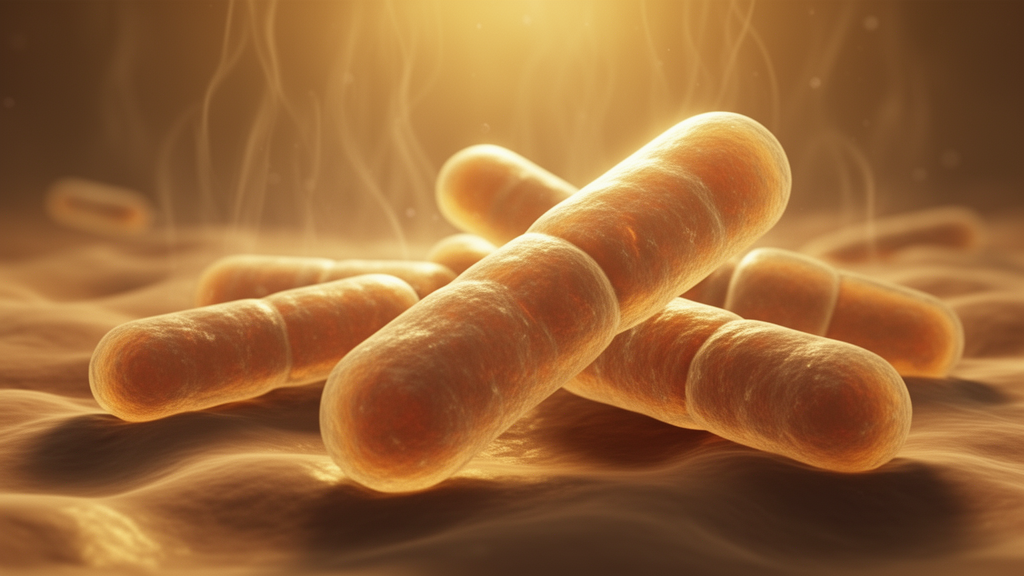
A heat-adapted derivative of the probiotic bacterium Lactiplantibacillus plantarum LM1001 exhibits enhanced heat tolerance and broader stress adaptation following adaptive laboratory evolution. Developed through prolonged cultivation at elevated temperatures, the adapted strain, designated LM1001-A, demonstrates altered physiological characteristics that support survival under adverse environmental conditions. Researchers evaluated the physiological and transcriptional profiles of the evolved derivative to identify the cellular mechanisms underlying its improved performance relative to the parental strain.

Morphological and surface examinations revealed that LM1001-A undergoes heat-induced filamentous elongation during thermal exposure. Alongside this physical elongation, the derivative showed increased cell-surface hydrophobicity, auto-aggregation, and adhesion to Caco-2 cells. In parallel physiological assays, LM1001-A maintained a lower relative intracellular reactive oxygen species response under challenging conditions, demonstrating an improved capacity to mitigate oxidative stress.

The adaptive evolution process also induced modifications in the cellular envelope, marked by an altered membrane fatty acid composition. Beyond direct thermal tolerance, LM1001-A demonstrated elevated cross-protection against non-thermal challenges, showing improved resilience against acidic environments, bile salts, and oxidative stress.

Transcriptomic profiling and reverse transcription quantitative polymerase chain reaction analyses identified shared as well as divergent transcriptional responses across the strains. Both parental LM1001 and derivative LM1001-A shared core heat-stress pathways, including the upregulation of glucokinase and chloramphenicol O-acetyltransferase, alongside the downregulation of genes governing phosphate transport and mannitol and sucrose metabolism. However, the helix-turn-helix-type transcriptional regulator ybhD exhibited markedly higher induction in LM1001-A, recording a 24.0-fold increase compared to a 3.6-fold change in the parent, suggesting a distinct regulatory pathway associated with thermal adaptation.

The coordinated shift in membrane composition and cellular metabolism indicates that adaptive laboratory evolution reshapes fundamental protective barriers in Lactiplantibacillus plantarum LM1001.

These cellular modifications also highlight the derivative’s functional potential for probiotic applications, particularly in industrial manufacturing processes that require thermal processing.

Subject of Research: Heat adaptation and stress tolerance mechanisms in Lactiplantibacillus plantarum LM1001-A

Article Title: Adaptive laboratory evolution enhances heat tolerance and stress adaptation in Lactiplantibacillus plantarum LM1001

Article References: Shin, J., Jeong, H., So, Y. J., Kim, T.-R., & Park, Y.-S. (2026). Adaptive laboratory evolution enhances heat tolerance and stress adaptation in Lactiplantibacillus plantarum LM1001. Food Science and Biotechnology. https://doi.org/10.1007/s10068-026-02336-0

Image Credits: AI Generated

DOI: 10.1007/s10068-026-02336-0

Keywords: Lactiplantibacillus plantarum, LM1001, LM1001-A, adaptive laboratory evolution, heat tolerance, stress adaptation, Caco-2 cell adhesion, cell-surface hydrophobicity, auto-aggregation, filamentous elongation, reactive oxygen species, membrane fatty acids, acid tolerance, bile tolerance, oxidative stress, transcriptional regulator ybhD, glucokinase, chloramphenicol O-acetyltransferase

News Source: Gavin Prescott. (November 12, 2026). Laboratory Evolution Yields Heat-Tolerant Probiotic Strain With Multi-Stress Resilience. Scienmag.


Tags: acid toleranceadaptive laboratory evolutionauto-aggregationbile toleranceCaco-2 cell adhesioncell surface hydrophobicitychloramphenicol O-acetyltransferasefilamentous elongationglucokinaseheat toleranceLactiplantibacillus plantarumLM1001LM1001-Amembrane fatty acidsoxidative stressreactive oxygen speciesstress adaptationtranscriptional regulator ybhD
Share12Tweet7Share2ShareShareShare1

Related Posts

Molecular Marker Predicts Flower Petal Numbers in Northern Chinese Lotus Seedlings

Molecular Marker Predicts Flower Petal Numbers in Northern Chinese Lotus Seedlings

November 19, 2026
How Horticultural Crops Adapt to Waterlogging Hypoxia Through Specialized Molecular Pathways

How Horticultural Crops Adapt to Waterlogging Hypoxia Through Specialized Molecular Pathways

November 19, 2026

Integrated Plant Database Unveils Novel Hydroxylase for Anti-Cancer Drug Precursor Synthesis

November 19, 2026

Indonesian Pulp Sector Expansion Risks Reversing Progress Toward Zero Deforestation

November 19, 2026

POPULAR NEWS

  • No Metabolic Crises Occurred With Peripartum Dextrose in Small Observational Study

    No Metabolic Crises Occurred With Peripartum Dextrose in Small Observational Study

    29 shares
    Share 12 Tweet 7
  • Mental Health Emergency Visits in Saudi Arabia Surge During Late Autumn and Winter

    29 shares
    Share 12 Tweet 7
  • Rare APBA1 Genetic Variants Identified in Children with Severe Monogenic Obesity

    29 shares
    Share 12 Tweet 7
  • RNA Thermometer Controls Recombinant Protein Expression in Engineered Escherichia Coli Cultures

    29 shares
    Share 12 Tweet 7

About

We bring you the latest biotechnology news from best research centers and universities around the world. Check our website.

Follow us

Recent News

Low RFESD Protein Expression Predicts Poor Prognosis in Acute Myeloid Leukemia

Community Rehabilitation in Malawi Helps Meet Psychosis Recovery Needs and Goals

Sharks at Mediterranean Coastal Facility Elevate Body Temperatures Above Ambient Seawater

Subscribe to Blog via Email

Enter your email address to subscribe to this blog and receive notifications of new posts by email.

Join 89 other subscribers
  • Contact Us

Bioengineer.org © Copyright 2023 All Rights Reserved.

Welcome Back!

Login to your account below

Forgotten Password?

Retrieve your password

Please enter your username or email address to reset your password.

Log In
No Result
View All Result
  • Homepages
    • Home Page 1
    • Home Page 2
  • News
  • National
  • Business
  • Health
  • Lifestyle
  • Science

Bioengineer.org © Copyright 2023 All Rights Reserved.