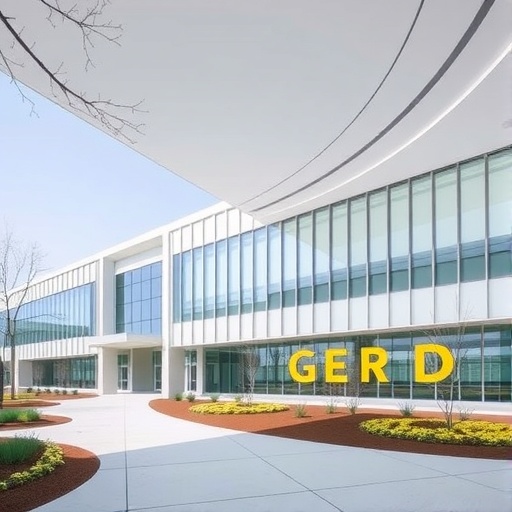
Korea University Anam Hospital has inaugurated the nation’s first specialized Center for Refractory Gastroesophageal Reflux Disease (GERD), marking a significant advancement in the management of severe or treatment-resistant reflux esophagitis. This center targets patients unresponsive to conventional proton pump inhibitor (PPI) therapy or those experiencing persistent or recurrent symptoms despite medication.
GERD, a widespread chronic gastrointestinal disorder, affects roughly 7 to 10 percent of South Korea’s population. Among these individuals, over 30 percent suffer from refractory symptoms that fail to improve with standard PPI treatment, underscoring an unmet clinical need. Until now, Korea lacked a comprehensive care facility equipped to provide precise diagnostics, personalized therapeutic strategies, surgical intervention, and structured long-term follow-up.
The newly established center addresses this gap by employing advanced functional diagnostic tools such as 24-hour esophageal pH monitoring and high-resolution esophageal manometry. These tests enable objective quantification of acid and non-acid reflux episodes and their correlation with patients’ symptomatic experience. By integrating these data, clinicians develop tailored treatment plans adapted to the reflux profile and symptom patterns of each patient.
Surgical options, particularly anti-reflux procedures, are offered based on rigorous patient selection criteria validated by proprietary clinical data. The center also emphasizes patient education throughout the continuum of care, ensuring that diagnosis, treatment, and post-treatment management occur within a unified clinical pathway designed to maximize therapeutic efficacy and minimize relapse.
At the forefront of this initiative is Professor Sungsoo Park of the Division of Gastroenterological Surgery. With an h-index of 39, Professor Park brings extensive expertise in anti-reflux surgery and has contributed seminal research demonstrating the predictive value of preoperative esophageal functional tests in forecasting surgical outcomes. His work has been influential in shaping both clinical practice and academic standards nationally and internationally.
Professor Park’s leadership extends beyond clinical practice to academia, including his tenure as President of the Korean Society of Anti-Reflux Surgery and authorship of the globally recognized textbook, Laparoscopic Anti-Reflux Surgery. He continues to drive innovation in the field through national research programs and the training of international fellows, thereby promoting the dissemination of advanced Korean surgical techniques worldwide.
In Professor Park’s words, “Refractory GERD is not simply a matter of changing medications. Effective management demands an integrated system combining precise diagnostics, stringent patient selection, and comprehensive post-treatment care.” The center embodies this philosophy, offering patients with refractory GERD a trusted, evidence-based final recourse after repeated treatment failures.
This pioneering approach sets a new standard for the treatment of refractory GERD in Korea and represents a model that other healthcare systems might emulate to improve outcomes for patients with challenging reflux disease.
Subject of Research: Refractory Gastroesophageal Reflux Disease (GERD) Management
Article Title: Korea Launches First Dedicated Center for Refractory GERD with Precision Diagnostics and Personalized Care
News Publication Date: Not specified
Image Credits: KU Medicine
Keywords: Gastroesophageal reflux disease, refractory GERD, anti-reflux surgery, esophageal pH monitoring, esophageal manometry, personalized medicine, gastrointestinal disorders, clinical diagnostics
Tags: 24-hour pH monitoring for reflux diagnosisadvanced diagnostic tools for GERDanti-reflux surgical interventionscomprehensive care for refractory GERDhigh-resolution esophageal manometryKorea University Anam Hospital gastrointestinal carelong-term GERD patient follow-uppersonalized reflux management strategiesRefractory GERD treatmentspecialized reflux disease centertreatment-resistant gastroesophageal refluxunmet clinical needs in reflux disease