

• HOME
  • NEWS
  • EXPLORE
    • CAREER
      • Companies
      • Jobs
    • EVENTS
    • iGEM
      • News
      • Team
    • PHOTOS
    • VIDEO
    • WIKI
  • BLOG
  • COMMUNITY
    • FACEBOOK
    • INSTAGRAM
    • TWITTER
Sunday, October 4, 2026
BIOENGINEER.ORG
No Result
View All Result
  • Login
  • HOME
  • NEWS
  • EXPLORE
    • CAREER
      • Companies
      • Jobs
        • Lecturer
        • PhD Studentship
        • Postdoc
        • Research Assistant
    • EVENTS
    • iGEM
      • News
      • Team
    • PHOTOS
    • VIDEO
    • WIKI
  • BLOG
  • COMMUNITY
    • FACEBOOK
    • INSTAGRAM
    • TWITTER
  • HOME
  • NEWS
  • EXPLORE
    • CAREER
      • Companies
      • Jobs
        • Lecturer
        • PhD Studentship
        • Postdoc
        • Research Assistant
    • EVENTS
    • iGEM
      • News
      • Team
    • PHOTOS
    • VIDEO
    • WIKI
  • BLOG
  • COMMUNITY
    • FACEBOOK
    • INSTAGRAM
    • TWITTER
No Result
View All Result
Bioengineer.org
No Result
View All Result
Home NEWS Science News Cancer

Ketogenic Diets May Raise Small Intestine Cancer Risk, Study Suggests

Bioengineer by Bioengineer
July 15, 2026
in Cancer
Reading Time: 2 mins read
0
Share on FacebookShare on TwitterShare on LinkedinShare on RedditShare on Telegram

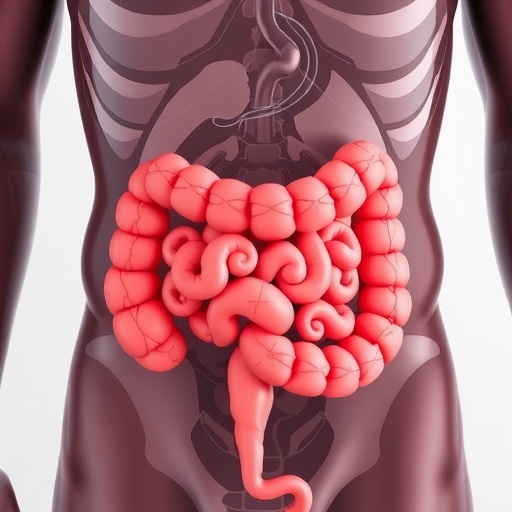
A ketogenic diet—high fat, very low carbohydrate—has become a mainstream strategy for weight loss and metabolic “health.” Yet new mouse research suggests that its effects on cancer may be profoundly tissue-specific, reshaping how we should interpret viral headlines about ketones and tumor protection.

The study, led by researchers at MIT, tested how a ketogenic regimen influences intestinal tumor development in animals predisposed to cancer. Mice received either a ketogenic diet, a standard control diet, or a high-fat/high-calorie diet, allowing the team to separate ketogenic effects from general fat overconsumption.

Results were striking in the small intestine: animals on the ketogenic diet developed significantly more tumors than those on control diets. In fact, tumor rates were similar to or even higher than those observed in the obesogenic high-fat/high-calorie group, despite the ketogenic group not becoming obese.

Mechanistically, the work challenges the idea that circulating ketone molecules are the main drivers. Additional experiments indicated that ketone bodies did not directly govern tumor formation; instead, tumor growth tracked with how intestinal cells metabolize dietary fat for energy.

That fat-burning pathway—fatty acid oxidation—activates PPAR-linked signaling, which increases stem cell proliferation in the intestinal lining. While such proliferation can help tissue repair after injury, the same “growth mode” appears to raise the probability that some proliferating cells transition toward malignancy.

The headline twist arrives when the researchers examine the colon. The ketogenic diet suppressed colon tumor development, echoing earlier reports that ketone-related metabolic shifts can be protective in this region.

Importantly, the new data suggest that colon protection is not mediated by ketone bodies. Rather, the same overall diet triggers opposing outcomes through region-dependent differences in lipid metabolism and stem cell behavior.

The findings carry a practical warning for the booming ketone-supplement market. Because the study attributes both risk and benefit to fat metabolism rather than ketones themselves, ketone drinks may not reproduce either the small-intestine danger or the colon protection observed in mice.

By highlighting how adjacent tissues respond differently to identical dietary inputs, the research suggests ketogenic therapies may need personalization—or at least careful monitoring—before they are broadly applied for cancer prevention or metabolic health.

Subject of Research: Animals (mouse models)
Article Title: Ketogenic diet mediates intestinal tumorigenesis through lipids not ketones
News Publication Date: 15-Jul-2026
References: Nature (MIT study)
Keywords: ketogenic diet, intestinal cancer, fatty acid oxidation, PPAR signaling, stem cell proliferation, ketone bodies, colon tumors, small intestine tumors

Tags: diet-induced metabolic changes and cancerfatty acid oxidation in intestinal cellshigh-fat diet and tumor formationimpact of ketogenic diets on intestinal tumor growthketogenic diet and cancer riskketogenic diet and intestinal healthmouse models of diet-related cancer riskPPAR signaling pathway in cancerrole of ketone bodies in cancersmall intestine tumor developmentstem cell proliferation in the intestinetissue-specific effects of ketogenic diets

Share12Tweet7Share2ShareShareShare1

Related Posts

Adding Immunotherapy to Chemo and Bevacizumab Extends Survival in Recurrent Cervical Cancer

Adding Immunotherapy to Chemo and Bevacizumab Extends Survival in Recurrent Cervical Cancer

October 4, 2026
Persistent Emotional Distress Tracks With Poorer Survival in Lung Cancer Patients Undergoing Neoadjuvant Therapy and Surgery

Persistent Emotional Distress Tracks With Poorer Survival in Lung Cancer Patients Undergoing Neoadjuvant Therapy and Surgery

October 4, 2026

Shortened Liver MRI Protocol Shows Strong Accuracy for Spotting Tumor Return After Ablation

October 4, 2026

Gamma Delta T Cells Blur the Line Between Innate and Adaptive Immunity

October 4, 2026

POPULAR NEWS

  • Alloys That Shrink Their Own Grains: New PIX Mechanism Refines Metals With Heat Alone

    Alloys That Shrink Their Own Grains: New PIX Mechanism Refines Metals With Heat Alone

    29 shares
    Share 12 Tweet 7
  • Endurance Exercise Reshapes the Liver in Males and Females Through Distinct Molecular Routes

    29 shares
    Share 12 Tweet 7
  • Single Transcription Factor PU.1 Rapidly Converts Fibroblasts into Macrophage-Lineage Cells

    29 shares
    Share 12 Tweet 7
  • New Scale Measures How Ready Nurse Educators Really Are for the AI Era

    29 shares
    Share 12 Tweet 7

About

We bring you the latest biotechnology news from best research centers and universities around the world. Check our website.

Follow us

Recent News

Alloys That Shrink Their Own Grains: New PIX Mechanism Refines Metals With Heat Alone

Endurance Exercise Reshapes the Liver in Males and Females Through Distinct Molecular Routes

Single Transcription Factor PU.1 Rapidly Converts Fibroblasts into Macrophage-Lineage Cells

Subscribe to Blog via Email

Success! An email was just sent to confirm your subscription. Please find the email now and click 'Confirm' to start subscribing.

Join 85 other subscribers
  • Contact Us

Bioengineer.org © Copyright 2023 All Rights Reserved.

Welcome Back!

Login to your account below

Forgotten Password?

Retrieve your password

Please enter your username or email address to reset your password.

Log In
No Result
View All Result
  • Homepages
    • Home Page 1
    • Home Page 2
  • News
  • National
  • Business
  • Health
  • Lifestyle
  • Science

Bioengineer.org © Copyright 2023 All Rights Reserved.
