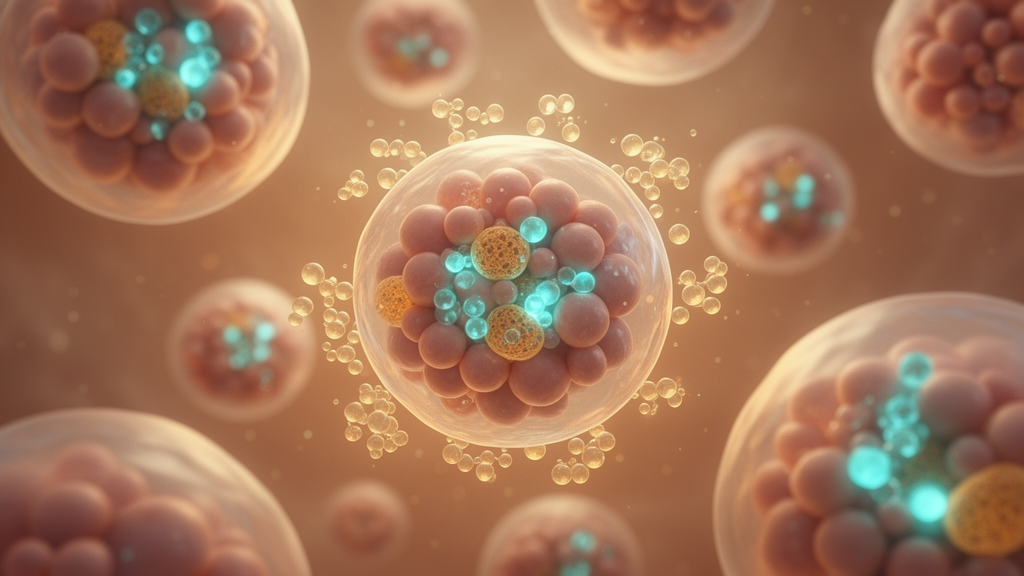
A new study published in Cell Biology and Toxicology demonstrates that ivermectin, a widely used antiparasitic drug, significantly impairs the function of mesenchymal stromal cells derived from swine adipose tissue. The research highlights potential toxicological concerns regarding the bioaccumulation of the drug in fat tissue, which may affect metabolic and reproductive health. By utilizing a validated translational model, the investigators assessed how clinically relevant concentrations of ivermectin influence the cellular homeostasis of these specific porcine cells.
The study focused on primary adipose tissue-derived mesenchymal stromal cells isolated from porcine subcutaneous adipose tissue. These cells were exposed to ivermectin at concentrations of 20, 40, and 60 ng/mL for a period of 48 hours.
One of the primary findings was that ivermectin exposure significantly suppressed cell proliferation. This suppression occurred via replication arrest without inducing apoptosis. Concurrently, the exposure led to an elevation in ATP production.
The study also revealed significant changes in the redox balance of the treated cells. Pharmacological stress from ivermectin shifted the cellular environment toward a pro-oxidant state. This shift was characterized by an increase in the levels of superoxide anion and nitric oxide. In response to this oxidative stress, the cells triggered a compensatory rise in antioxidant defenses. Specifically, the activity of superoxide dismutase and the ferric reducing antioxidant power were both elevated.
Furthermore, ivermectin was found to stimulate intracellular lipid accumulation and enhance adipogenic commitment. The stimulation of lipid accumulation suggests that ivermectin may act as a metabolic disruptor within the adipose cell niche.
The authors conclude that ivermectin disrupts the homeostasis of swine adipose tissue-derived mesenchymal stromal cells by altering their redox status and promoting adipogenesis. These findings suggest that the drug may function as a cellular disruptor in adipose tissues.
It is important to note that this study was conducted in vitro using primary cells, and the results may not fully capture the complex interactions that occur in a whole organism.
Subject of Research: Toxicological effects of ivermectin on swine adipose tissue-derived mesenchymal stromal cells
Article Title: Ivermectin impairs swine adipose tissue-derived mesenchymal stromal cells functions
Article References: Basini, G., Berni, M., Mazzera, L., Tambassi, M., Bussolati, S., Quintavalla, F., Bertini, S., Carrillo Heredero, A. M., & Grasselli, F. (2026). Ivermectin impairs swine adipose tissue-derived mesenchymal stromal cells functions. Cell Biology and Toxicology. https://doi.org/10.1007/s10565-026-10294-w
Image Credits: AI Generated
DOI: 10.1007/s10565-026-10294-w
Keywords: ivermectin, mesenchymal stromal cells, adipose tissue, redox balance, adipogenesis, cell proliferation, toxicology, swine model, metabolic health, oxidative stress, impairs, swine
News Source: Drew Townsend. (November 9, 2026). Ivermectin Disrupts Swine Fat Cell Function and Redox Balance. Scienmag.