• HOME
  • NEWS
  • EXPLORE
    • CAREER
      • Companies
      • Jobs
    • EVENTS
    • iGEM
      • News
      • Team
    • PHOTOS
    • VIDEO
    • WIKI
  • BLOG
  • COMMUNITY
    • FACEBOOK
    • INSTAGRAM
    • TWITTER
Thursday, May 28, 2026
BIOENGINEER.ORG
No Result
View All Result
  • Login
  • HOME
  • NEWS
  • EXPLORE
    • CAREER
      • Companies
      • Jobs
        • Lecturer
        • PhD Studentship
        • Postdoc
        • Research Assistant
    • EVENTS
    • iGEM
      • News
      • Team
    • PHOTOS
    • VIDEO
    • WIKI
  • BLOG
  • COMMUNITY
    • FACEBOOK
    • INSTAGRAM
    • TWITTER
  • HOME
  • NEWS
  • EXPLORE
    • CAREER
      • Companies
      • Jobs
        • Lecturer
        • PhD Studentship
        • Postdoc
        • Research Assistant
    • EVENTS
    • iGEM
      • News
      • Team
    • PHOTOS
    • VIDEO
    • WIKI
  • BLOG
  • COMMUNITY
    • FACEBOOK
    • INSTAGRAM
    • TWITTER
No Result
View All Result
Bioengineer.org
No Result
View All Result
Home NEWS Science News Biology

Is magnesium the sleeping potion that enables sandhoppers to survive cold winters?

Bioengineer by Bioengineer
June 14, 2024
in Biology
Reading Time: 3 mins read
0
A sandhopper (Talitrus saltator) found in its torpid state
Share on FacebookShare on TwitterShare on LinkedinShare on RedditShare on Telegram

Magnesium compounds are a common ingredient of many remedies designed to help people wind down and escape the stresses of modern life.
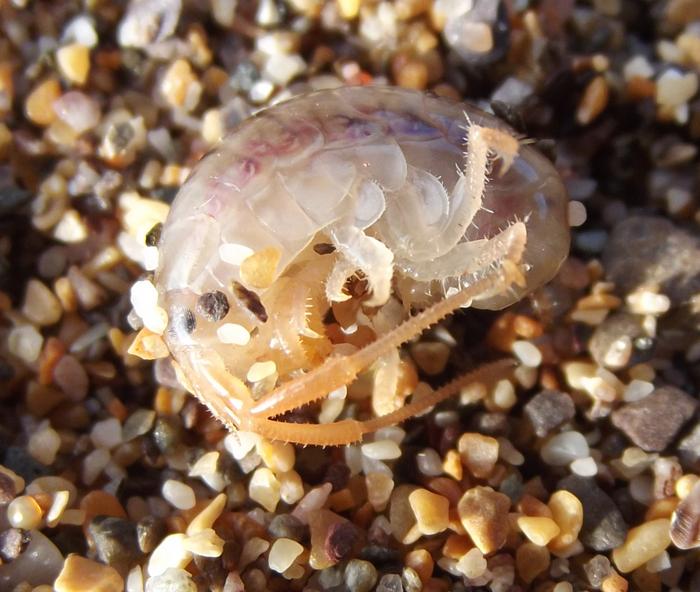
A sandhopper (Talitrus saltator) found in its torpid state

Credit: University of Plymouth

Magnesium compounds are a common ingredient of many remedies designed to help people wind down and escape the stresses of modern life.

However, a new study has shown it is not only humans that are using forms of the chemical as a way to help them survive challenging conditions.

In tests conducted on beaches in Cornwall, and in the laboratory at the University of Plymouth, scientists confirmed the findings of previous studies which showed large sandhoppers (Talitrus saltator) increase the levels of magnesium ions in their bodies as temperatures fall. This slows them down so they are less active than they would be during the warmer months.

However, the new study has shown for the first time that when they want to enter a period of deep sleep the creatures have the means through which to increase their magnesium levels even further – in some instances more than doubling them.

Essentially acting as a natural narcotic, the magnesium puts the sandhopper into a torpid state. This enforced rest means that the creatures stay hidden in burrows up to 30cm beneath the beach surface, without the need to come up for food or water, and to some extent buffered from the wintery conditions at the surface of the sand.

The study – which focused on the sandhopper population at Portwrinkle, in South East Cornwall – was carried out by Professor of Marine Zoology John Spicer and BSc (Hons) Marine Biology graduate Jack Bush.

Writing in the Journal of Experimental Marine Biology and Ecology, they say it sheds further light on why large sandhoppers seem to disappear from sandy beaches during cold winter weather.

Professor Spicer has spent decades studying the impact of temperature on marine and coastal species, including a number of studies on sandhoppers in Scotland.

He said: “It has been known for over a century that large sandhoppers, relatives of shrimp and crabs, can overwinter buried deep in the sand at the top of beaches away from the reach of the tide. What our study shows is that they may help themselves ‘go to sleep’ by allowing a natural narcotising agent, magnesium ions, to build up in their body fluids.

“Fluids containing magnesium, like Epsom salts, are routinely used by humans to relax but also when aquatic animals are being examined as part of scientific investigations. Our study shows nature has also found a way to do that without outside involvement.

“That said, as it’s a temperature dependent process it does raise questions over what will happen as our world warms. Will sandhoppers no longer sleep and just eat decomposing wrack all day long? Or will they change their sleeping habits by adapting the way they manage the magnesium in their body fluids?”


Journal

Journal of Experimental Marine Biology and Ecology

DOI

10.1016/j.jembe.2024.152030

Method of Research

Experimental study

Subject of Research

Animals

Article Title

Elevated extracellular magnesium in overwintering sandhoppers Talitrus saltator: Disentangling the effects of torpor and temperature

Article Publication Date

13-Jun-2024

Share12Tweet8Share2ShareShareShare2

Related Posts

Live Rattlesnake Cam in Pennsylvania Offers 24/7 Access to Timber Rattlesnake Observation—Third Installment Now Streaming — Biology

Live Rattlesnake Cam in Pennsylvania Offers 24/7 Access to Timber Rattlesnake Observation—Third Installment Now Streaming

May 27, 2026
“DNA ‘Nicks’ Enable Safer, More Precise Genetic Analysis” — Biology

“DNA ‘Nicks’ Enable Safer, More Precise Genetic Analysis”

May 27, 2026

Study Finds Archaic DNA Could Reduce Immunity to Common DNA Viruses in Modern Humans

May 27, 2026

Scientists Achieve Unprecedented Precision in Mapping How Genes Influence Metabolism

May 27, 2026

POPULAR NEWS

  • ESMO 2025: mRNA COVID Vaccines Enhance Efficacy of Cancer Immunotherapy

    318 shares
    Share 127 Tweet 80
  • New Study Reveals Plants Can Detect the Sound of Rain

    735 shares
    Share 293 Tweet 183
  • Common Food Preservatives Associated with Elevated Blood Pressure and Increased Heart Disease Risk

    56 shares
    Share 22 Tweet 14
  • AI-Powered Atlas Uncovers Extensive Whole-Body Damage Linked to Obesity

    53 shares
    Share 21 Tweet 13

About

We bring you the latest biotechnology news from best research centers and universities around the world. Check our website.

Follow us

Recent News

Amplifying Randomness: A Scientific Breakthrough

Brain Maintenance Biomarkers in Aging and Neurodegeneration

Darkness, Size Influenced End-Cretaceous Sea Extinctions

Subscribe to Blog via Email

Enter your email address to subscribe to this blog and receive notifications of new posts by email.

Join 82 other subscribers
  • Contact Us

Bioengineer.org © Copyright 2023 All Rights Reserved.

Welcome Back!

Login to your account below

Forgotten Password?

Retrieve your password

Please enter your username or email address to reset your password.

Log In
No Result
View All Result
  • Homepages
    • Home Page 1
    • Home Page 2
  • News
  • National
  • Business
  • Health
  • Lifestyle
  • Science

Bioengineer.org © Copyright 2023 All Rights Reserved.