• HOME
  • NEWS
  • EXPLORE
    • CAREER
      • Companies
      • Jobs
    • EVENTS
    • iGEM
      • News
      • Team
    • PHOTOS
    • VIDEO
    • WIKI
  • BLOG
  • COMMUNITY
    • FACEBOOK
    • INSTAGRAM
    • TWITTER
Wednesday, May 13, 2026
BIOENGINEER.ORG
No Result
View All Result
  • Login
  • HOME
  • NEWS
  • EXPLORE
    • CAREER
      • Companies
      • Jobs
        • Lecturer
        • PhD Studentship
        • Postdoc
        • Research Assistant
    • EVENTS
    • iGEM
      • News
      • Team
    • PHOTOS
    • VIDEO
    • WIKI
  • BLOG
  • COMMUNITY
    • FACEBOOK
    • INSTAGRAM
    • TWITTER
  • HOME
  • NEWS
  • EXPLORE
    • CAREER
      • Companies
      • Jobs
        • Lecturer
        • PhD Studentship
        • Postdoc
        • Research Assistant
    • EVENTS
    • iGEM
      • News
      • Team
    • PHOTOS
    • VIDEO
    • WIKI
  • BLOG
  • COMMUNITY
    • FACEBOOK
    • INSTAGRAM
    • TWITTER
No Result
View All Result
Bioengineer.org
No Result
View All Result
Home NEWS Science News Biology

iPS cells to regulate immune rejection upon transplantation

Bioengineer by Bioengineer
February 7, 2020
in Biology
Reading Time: 2 mins read
0
IMAGE
Share on FacebookShare on TwitterShare on LinkedinShare on RedditShare on Telegram

IMAGE

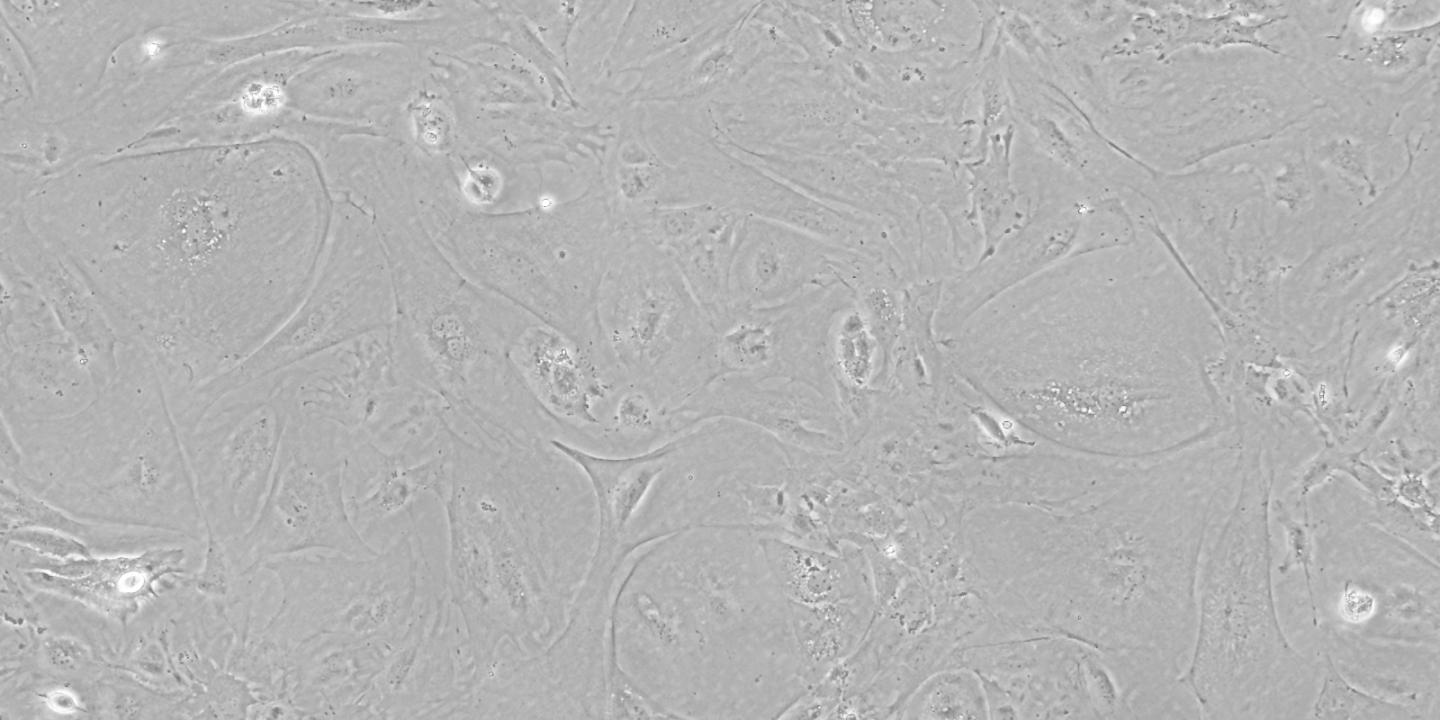
Credit: Hokkaido University


Scientists suggest a new strategy that uses induced pluripotent stem cells (iPSCs) to regulate immune reaction to transplanted tissues.

The team, led by Professor Ken-ichiro Seino of Hokkaido University’s Institute for Genetic Medicine, found that thymic epithelium cells derived from mouse induced pluripotent stem cells (iPSCs) can regulate immune response to skin grafts, extending their survival.

The thymus, located behind the sternum, is a crucial organ for generating T-cells. T-cells control immune response, including organ rejection, and are closely associated with immunological self-tolerance, the ability of the immune system to recognize self-produced antigens as non-threatening.

Pluripotent stem cells such as embryonic stem cells (ESCs) and iPSCs, which are capable of differentiating into various types of cells, are expected to be an alternative source of grafts for transplantation. But when an organ or tissue from a donor is transplanted, the grafts are rejected and eventually destroyed by the recipient’s immune system. The same holds true for cells or tissues derived from pluripotent stem cells. In regenerative medicine, it is therefore important to regulate immune reaction for transplants to succeed.

While past research found that it is difficult to efficiently make thymic epithelium cells from iPSCs, the group discovered that the introduction of Foxn1, a pivotal gene in the thymus, to mouse iPSCs helps the efficient differentiation of such cells.

The team then transplanted to the recipient mice the thymic epithelium cells derived from iPSCs and skin grafts of genetically compatible donor mice.

The results showed that the skin grafts in the recipient mice survived longer when iPSC-derived thymic epithelium cells were transplanted in advance.

“This suggests it is possible to regulate immune rejection by transplanting immune-regulating cells derived from iPSCs before conducting cell or tissue transplants. This finding will contribute to the advancement of regenerative medicine using cells and tissues derived from iPSCs,” says Ken-ichiro Seino of the research team.

###

Media Contact
Katrina-Kay Alaimo
[email protected]
011-706-2188

Original Source

https://www.global.hokudai.ac.jp/blog/ips-cells-to-regulate-immune-rejection-upon-transplantation/

Related Journal Article

http://dx.doi.org/10.1038/s41598-019-57088-1

Tags: BiochemistryBioinformaticsBiologyCell BiologyChemistry/Physics/Materials SciencesGene TherapyGenesGeneticsMedicine/HealthMolecular Biology
Share12Tweet8Share2ShareShareShare2

Related Posts

Cutting-Edge Genomic Techniques Reveal Unexpected Cellular Changes in the Aging Brain — Biology

Cutting-Edge Genomic Techniques Reveal Unexpected Cellular Changes in the Aging Brain

May 12, 2026
USC Researchers Initiate Study on the Most Advanced Lab-Grown Kidney Structures — Biology

USC Researchers Initiate Study on the Most Advanced Lab-Grown Kidney Structures

May 12, 2026

Childbirth in Humans Is Not Uniquely Challenging Among Mammals, New Research Shows

May 12, 2026

From Complexity to Clarity: Unraveling the “Topological Laws” Governing Cell Death

May 11, 2026
Please login to join discussion

POPULAR NEWS

  • Research Indicates Potential Connection Between Prenatal Medication Exposure and Elevated Autism Risk

    842 shares
    Share 337 Tweet 211
  • New Study Reveals Plants Can Detect the Sound of Rain

    728 shares
    Share 290 Tweet 182
  • Salmonella Haem Blocks Macrophages, Boosts Infection

    62 shares
    Share 25 Tweet 16
  • Breastmilk Balances E. coli and Beneficial Bacteria in Infant Gut Microbiomes

    57 shares
    Share 23 Tweet 14

About

We bring you the latest biotechnology news from best research centers and universities around the world. Check our website.

Follow us

Recent News

Enhancing Carbon Capture Efficiency Using Laser-Engineered MOFs!

E-cadherin Loss Drives Tumor Environment in Lobular Cancer

Endothelial SPARC Drives Astrocyte Damage in NMOSD

Subscribe to Blog via Email

Enter your email address to subscribe to this blog and receive notifications of new posts by email.

Join 82 other subscribers
  • Contact Us

Bioengineer.org © Copyright 2023 All Rights Reserved.

Welcome Back!

Login to your account below

Forgotten Password?

Retrieve your password

Please enter your username or email address to reset your password.

Log In
No Result
View All Result
  • Homepages
    • Home Page 1
    • Home Page 2
  • News
  • National
  • Business
  • Health
  • Lifestyle
  • Science

Bioengineer.org © Copyright 2023 All Rights Reserved.