Deep inside the brain, a delicate network of blood vessels draped in specialized epithelial tissue produces the cerebrospinal fluid that bathes and protects the entire central nervous system. This tissue, known as the choroid plexus, is lined with epithelial cells that are densely multiciliated, their apical surfaces crowded with motile cilia whose precise function has long puzzled neurobiologists. A new study published in Cellular and Molecular Life Sciences by Marleen Trapp, L. Aurica Ritter, Greta Döking, James Cleland, Anthony D. Hill and Annarita Patrizi now reveals that insulin, the hormone famous for regulating blood sugar, can physically remodel the ciliary apparatus of these cells, suggesting an unexpected hormonal lever on cerebrospinal fluid dynamics and potentially on brain development itself.
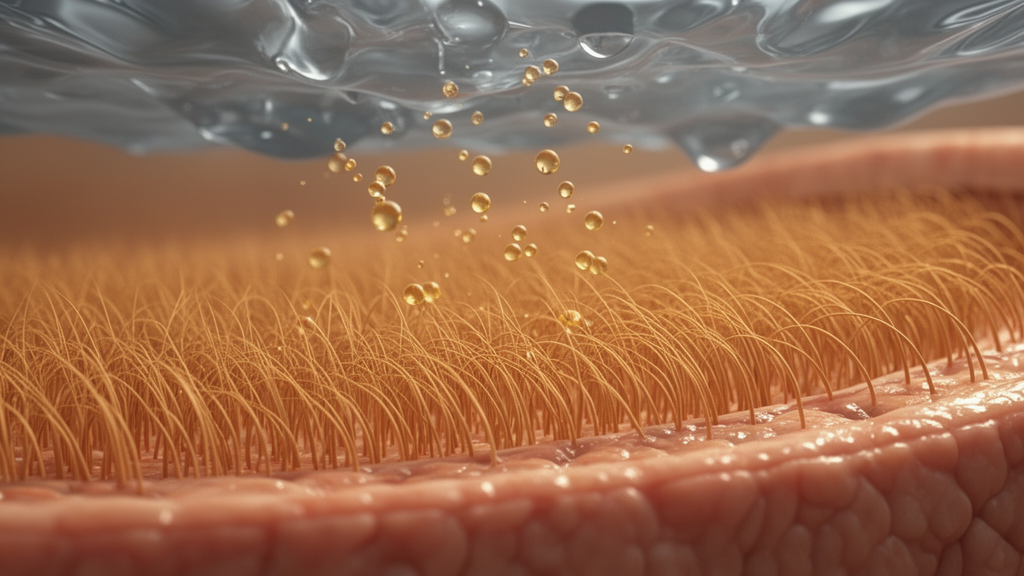
The choroid plexus occupies a singular position at the interface between the blood and the brain. Situated within the brain ventricles, it filters blood components and secretes the clear fluid that cushions neural tissue, removes metabolic waste and transports signaling molecules. Its epithelial cells are unusual among ciliated cells: rather than bearing a single primary cilium that acts as a sensory antenna, most are multiciliated, equipped with dozens or even hundreds of motile cilia. Moreover, the researchers emphasize that these cells display a noncanonical ciliary organization, meaning their ciliary architecture does not follow the standard blueprint familiar from the airway epithelium or the oviduct, and the functional significance of this atypical arrangement remains a subject of active debate in the field.
Insulin signaling, meanwhile, has well-established importance in the central nervous system. The hormone crosses into the brain and influences neuronal survival, energy metabolism, synaptic plasticity and appetite regulation. Insulin receptors are expressed across many brain regions, and disturbances in central insulin signaling have been implicated in neurodegeneration and metabolic disease. What remained entirely unknown, however, was whether insulin plays any role in the choroid plexus and, in particular, whether it affects the ciliary organization of the epithelial cells that line it. The new study set out to close this gap by asking a direct question: what happens to choroid plexus epithelial cells when they are exposed to insulin for a prolonged period?
To answer that question, the team isolated primary murine choroid plexus epithelial cells and treated them with insulin for up to six days in culture. Prolonged exposure was chosen deliberately, since many hormonal effects on cellular architecture unfold over timescales far longer than the minutes typically probed in signaling experiments. The researchers then deployed a battery of complementary techniques: immunohistochemistry to visualize protein localization in intact cellular structures, quantitative reverse transcription polymerase chain reaction to measure gene expression, RNA fluorescence in situ hybridization to pinpoint transcripts within single cells, single-cell analysis to resolve heterogeneity across the cell population, and Western blotting to detect and quantify specific proteins.
The results were striking. Prolonged insulin treatment significantly increased the percentage of multiciliated clustered cells in the culture and, notably, also increased the length of the ciliary axonemes, the microtubule-based skeletons that form the core of each cilium. In other words, insulin did not merely nudge cells toward a multiciliated fate; it changed the physical dimensions of the cilia themselves. This constitutes genuine ciliary remodeling, a structural transformation of the cell surface that could in principle alter how the cells move fluid across their apical face and how they sense or respond to their luminal environment.
Searching for the molecular machinery behind this remodeling, the investigators turned their attention to the intraflagellar transport system, the conserved molecular shuttle that ferries protein cargo along the axoneme and is essential for building and maintaining cilia. They found that prolonged insulin treatment selectively induced the translocation of IFT20, a key component of this transport machinery, to the ciliary axoneme. Crucially, this redistribution occurred alongside an increase in the cytoplasmic surface area covered by IFT20, indicating that insulin expands the available pool of this trafficking component and redirects it toward the ciliary compartment. The authors propose that insulin signaling promotes ciliary remodeling most likely by modulating intraflagellar transport dynamics through IFT20, offering a concrete mechanistic account of how a metabolic hormone can reshape a cellular superstructure.
The study also charted where and when insulin receptors appear in the choroid plexus epithelium. Analyzing ex vivo tissue, the researchers showed that insulin receptor expression begins during late embryogenesis and persists in the mature epithelium. At the subcellular level, the receptors localized predominantly to the apical membrane, the surface of the cell that faces the cerebrospinal fluid-filled lumen. Importantly, the receptors were not found in the cilium itself, which suggests that insulin does not act directly on the ciliary compartment through surface receptors embedded there, but rather signals from the apical membrane inward, ultimately influencing what happens at the base of the cilia.
This developmental timing carries particular weight. Because insulin receptor expression starts in late embryogenesis, a period during which the choroid plexus is actively establishing the fluid environment that the developing brain depends on, the findings raise the possibility that insulin participates in sculpting the ciliary architecture of the choroid plexus during critical windows of neurodevelopment. The authors note that their findings have potential implications for cerebrospinal fluid regulation and neurodevelopmental processes, linking a hormone best known for metabolism to the physical infrastructure of the brain’s internal ocean.
The broader implications extend to human health. Metabolic disorders such as diabetes involve sustained alterations in circulating insulin, and if similar ciliary remodeling occurs in the human choroid plexus, chronic hormonal changes could in principle influence cerebrospinal fluid production or composition. The choroid plexus has attracted growing attention in recent years as a player in brain waste clearance and in neuroimmune signaling, and any mechanism that modulates its epithelial surface architecture is of considerable interest. At the same time, the work is grounded firmly in mouse cells cultured in vitro, and the physiological consequences of insulin-driven ciliary remodeling in living animals remain to be demonstrated, a limitation that future in vivo studies will need to address.
What the study delivers, however, is a clear and testable conceptual advance: insulin signaling is not confined to classical metabolic circuits but reaches into the choroid plexus epithelium, where it can expand the multiciliated cell population, elongate ciliary axonemes and redirect IFT20 into the ciliary compartment. By identifying insulin receptors at the apical membrane, timing their appearance to late embryogenesis and implicating intraflagellar transport as the effector pathway, the research provides a molecular framework for understanding how systemic endocrine state might communicate with the cellular machinery that governs the brain’s fluid environment. As the scientific community continues to probe the noncanonical cilia of the choroid plexus, this work suggests that the answers may lie at the crossroads of endocrinology, cilia biology and neurodevelopment, where a single hormone appears capable of rebuilding the brain’s ciliated frontier.
Subject of Research: Insulin signaling and ciliary remodeling in choroid plexus epithelial cells
Article Title: Insulin-mediated ciliary remodeling in the choroid plexus epithelium
Article References: Insulin-mediated ciliary remodeling in the choroid plexus epithelium. (n.d.). https://doi.org/10.1007/s00018-026-06486-6
Image Credits: AI Generated
DOI: 10.1007/s00018-026-06486-6
Keywords: choroid plexus, insulin signaling, cilia, intraflagellar transport, IFT20, cerebrospinal fluid, ciliogenesis, insulin receptors, neurodevelopment, metabolism, multiciliated epithelium, Insulin-mediated
News Source: Cassandra Pierce. (October 15, 2026). Insulin Reshapes the Brain’s Ciliated Gatekeepers, Study Finds. Scienmag.