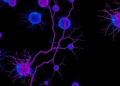
More than one million individuals in the United States live with multiple sclerosis (MS), a complex neurological disorder that attacks the brain, optic nerves, and spinal cord. Characterized by unpredictable episodes of symptom flare-ups—including debilitating fatigue, muscle spasms, and vision impairment—MS presents a challenge for clinicians and researchers alike. Central to unraveling this enigma is the study of the underlying damage inflicted on the nervous system. Fundamental to this damage is the loss and potential regeneration of myelin, a protective sheath enveloping nerve axons, which is the focal point of recent groundbreaking research at the University of Notre Dame.
Katrina Adams, a neurobiologist renowned for her work in neurodegeneration, is leading investigations that delve into myelin’s critical role within MS progression. Myelin functions much like the insulation around electrical wires, safeguarding and ensuring the efficient transmission of electrical impulses along axons. The degradation of this fatty layer precipitates the formation of distinct lesions scattered across the central nervous system. These lesions vary not only in size and number but also in their anatomical distribution, resulting in a multifaceted disease pathology. Understanding how these lesions develop and respond to injury is crucial for developing effective therapies.
Research in progressive MS is hampered by the difficulty of acquiring viable human tissue samples, especially from patients in advanced stages. To circumvent this challenge, Adams’ team utilizes preclinical biological models that replicate aspects of MS pathology. Their latest study, recently published in the prestigious journal Nature Communications, undertakes a comprehensive, empirical comparison of two dominant mouse models used in MS research: cuprizone (CPZ) and lysophosphatidylcholine (LPC). Through this comparison, the team advances a more nuanced framework for studying myelin loss and repair mechanisms.
While CPZ and LPC models are both employed to simulate demyelination, their pathological timelines and lesion presentations differ markedly. The CPZ model induces a widespread and gradual loss of myelin over several weeks, providing a systemic perspective on demyelination and remyelination processes. In contrast, LPC produces localized lesions acutely, with rapid myelin degradation occurring within days. These temporal and spatial differences profoundly affect the cellular and molecular responses within the affected nervous tissue, implications that Adams’ research meticulously elucidates.
Adams articulates that this differentiation between models has significant ramifications for experimental design in MS studies. “If your focus is on the biology of oligodendrocytes—myelin-forming cells—and their response to injury, the CPZ model’s gradual demyelination better mimics chronic stress conditions,” she explains. Conversely, for investigations centered on the immune system’s aggressive reaction to damage, LPC’s rapid, focal lesions provide a superior platform. This carefully delineated guidance reshapes how researchers approach the study of MS pathogenesis.
Beyond contrasting these experimental paradigms, Adams’ work leverages single-cell RNA sequencing technology to map genetic expression patterns within the lesions produced by each model, as well as in human MS tissue samples. This transcriptomic approach exposes the molecular signatures driving demyelination and remyelination, revealing how cellular populations transform amid disease progression. By correlating these profiles with human pathology, the research substantiates the clinical relevance of findings from murine models, strengthening translational prospects.
The genetic analyses unearthed unexpected differences in gene expression among various cell types, particularly within oligodendrocytes and immune infiltrates. These transcriptional variations invite further investigation to decipher whether they play a role in promoting or hindering repair mechanisms. This revelation significantly deepens our understanding of the complex interplay between cellular stress responses and adaptive regeneration in the context of MS, offering new frontiers for therapeutic exploration.
Current MS treatments predominantly target immune suppression to curtail the autoimmune assault on myelin, which inadvertently also damages healthy neural tissue. While this has mitigated flare-ups and slowed progression in some cases, it leaves the critical issue of myelin restoration unaddressed. Adams highlights that the potential for pharmacologic enhancement of myelin regeneration—a ‘holy grail’ in MS research—remains an unmet but promising therapeutic objective.
Understanding the fundamental biology of demyelination, facilitated by nuanced preclinical models like CPZ and LPC, is essential for identifying drug targets that could promote remyelination. Adams emphasizes the strategic necessity of employing the right model to match the specific research question, ensuring that interventions developed in the lab have the highest likelihood of benefiting patients. This precision in research methodology accelerates the translation of bench science to clinical application.
Moreover, the study’s integration of genetic, cellular, and pathological data sets from both murine and human tissues provides a robust framework for identifying biomarkers indicative of disease states or therapeutic responses. Such biomarkers could transform MS diagnosis, prognosis, and treatment personalization. Adams’ multidisciplinary approach exemplifies the converging paths of computational biology, molecular neuroscience, and clinical research in modern biomedical science.
Adams envisions that further investigations into these model systems’ unique genetic landscapes will unravel the molecular triggers initiating and sustaining demyelination and repair. Understanding these triggers at the single-cell level could elucidate why some lesions resolve while others persist, deepening our grasp of MS heterogeneity. This knowledge could ultimately facilitate the design of therapies that not only halt damage but actively restore neurological function.
The implications of this research extend beyond MS alone. Given that demyelination is a pathological hallmark shared across various neurodegenerative and neuroinflammatory disorders, insights from these comparative studies may inform a broader spectrum of neurological diseases. Adams’ study thus represents a pivotal advance in neurobiology, merging rigorous experimental modeling with cutting-edge genomic technologies to illuminate the pathophysiology of demyelinating conditions.
The strategic use of CPZ and LPC models, informed by comprehensive transcriptomic analyses, charts a promising course toward translating foundational research into clinical breakthroughs. By elucidating the intricate dynamics of myelin loss and regeneration, Katrina Adams and her team are pioneering efforts that could redefine therapeutic approaches to multiple sclerosis, offering hope for millions affected by this debilitating disorder.
Subject of Research: Animals
Article Title: A comparative transcriptomic analysis of mouse demyelination models and multiple sclerosis lesions
News Publication Date: 18-May-2026
Web References:
https://doi.org/10.1038/s41467-026-72383-y
Image Credits:
Photo by Michael Caterina/University of Notre Dame
Keywords:
Multiple sclerosis; Biological models; Mouse models; Demyelinating diseases; Nerve tissue
Tags: challenges in MS therapy developmentelectrical impulse transmission in axonsinflammation and neuroprotection in multiple sclerosisMS lesion formation and pathologymultiple sclerosis research modelsmyelin regeneration in multiple sclerosismyelin sheath damage in neurological disordersneurobiological advances in MSneurodegeneration in MSneurological disease symptom managementprogressive multiple sclerosis studiesUniversity of Notre Dame MS research