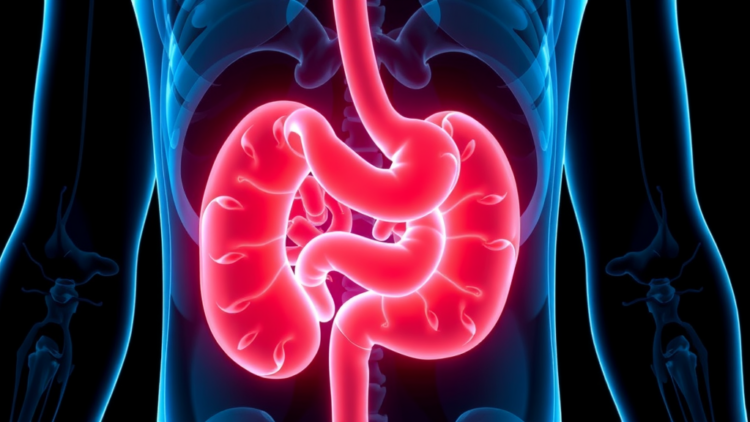
When patients with advanced gastric cancer receive immune checkpoint inhibitors, one of the most puzzling phenomena in modern oncology is the apparent paradox that side effects can be good news. A new retrospective study from NHO Osaka National Hospital in Japan adds fresh quantitative weight to this idea, showing that the development of immune-related adverse events, or irAEs, was independently associated with longer overall survival, longer progression-free survival, faster tumor shrinkage, and deeper responses in patients treated with nivolumab- or pembrolizumab-containing regimens. The findings, published in BMC Cancer, suggest that the visible immune toxicity of checkpoint blockade may function as a bedside indicator of a more vigorous antitumor immune response.
Immune checkpoint inhibitors work by releasing the molecular brakes that tumors place on T cells, most commonly by blocking the programmed death-1, or PD-1, pathway. In gastric cancer, one of the leading causes of cancer death worldwide, agents such as nivolumab and pembrolizumab have become mainstays of treatment for advanced or recurrent disease. Yet responses are highly variable: some patients experience dramatic and durable tumor regression while others derive little benefit. Oncologists have long searched for early, observable signals that distinguish the responders from the non-responders, and the occurrence of irAEs, such as dermatitis, thyroid dysfunction, hepatitis, or pneumonitis, has been one candidate signal, on the theory that an immune system activated broadly enough to attack normal tissue may also be attacking tumor more effectively.
The evidence for this association in gastric cancer, however, has been thinner than in melanoma or lung cancer, and prior studies have often been weakened by a statistical trap known as immortal time bias. Because irAEs take time to develop, patients who eventually experience them must, by definition, have survived long enough to do so. Naively comparing survival between patients with and without irAEs can therefore exaggerate the apparent benefit. The Japanese team, led by Dr. Masaaki Yamamoto, addressed this problem directly by performing predefined landmark analyses at 8 and 12 weeks after the start of treatment, counting only patients still on therapy at each landmark and designating the 12-week analysis as the primary one. This design ensures that the comparison between irAE and non-irAE groups starts from a level playing field.
The study enrolled 49 consecutive patients with advanced or recurrent gastric cancer who received ICI-containing therapy at a single institution. Among them, 21 patients, or 42.9 percent, developed irAEs, and six of these events were grade 3 or higher in severity according to the Common Terminology Criteria for Adverse Events. The spectrum of toxicities reflected the familiar profile of PD-1 blockade, and the management of these events followed standard oncology practice, including corticosteroids or treatment interruption where clinically warranted. The relatively small, single-center cohort is a limitation, but the consecutive enrollment and the rigorous bias-control design lend credibility to the results.
The headline finding comes from the 12-week landmark analysis. Patients who had experienced irAEs showed significantly improved overall survival compared with those who had not, with a hazard ratio of 0.37 and a 95 percent confidence interval of 0.14 to 0.95, corresponding to a P value of 0.039. Progression-free survival was also significantly better in the irAE group. Crucially, in multivariable Cox proportional hazards models that adjusted for other prognostic factors, the occurrence of irAEs remained an independent favorable prognostic factor for both overall survival, with a P value of 0.022, and progression-free survival, with a P value of 0.004. Independence in a multivariable model matters because it suggests the association is not merely explained by differences in baseline performance status, disease extent, or other confounders.
Beyond survival, the researchers went a step further by linking irAEs to quantitative measures of tumor response dynamics, an approach that has rarely been applied in this disease. Early tumor shrinkage, or ETS, captures the percentage change in the sum of target lesions at an early time point, and depth of response, or DpR, measures the maximum percentage shrinkage achieved during the entire course of treatment. Both metrics, derived from RECIST measurements on computed tomography scans, have been shown in other cancers to predict long-term outcomes better than simple response categories. In exploratory analyses restricted to patients with measurable lesions, the team found that patients who developed irAEs achieved markedly greater early shrinkage than those who did not, with a median ETS of minus 27.6 percent versus minus 10.7 percent, a difference that was statistically significant at P equals 0.013, along with a corresponding difference in depth of response.
The response dynamics themselves carried prognostic weight. In the same exploratory analyses, an early tumor shrinkage of at least 20 percent was associated with longer overall survival, with a hazard ratio of 0.19 and a 95 percent confidence interval of 0.04 to 0.96, and longer progression-free survival, with a hazard ratio of 0.37 and a 95 percent confidence interval of 0.15 to 0.93. Taken together, these results sketch a coherent biological narrative: patients whose immune systems mount a sufficiently broad activation to cause clinically detectable autoimmunity also tend to drive faster and deeper tumor regression, and that early kinetic advantage translates into measurably longer survival. In other words, irAEs, ETS, and DpR may be three windows onto the same underlying phenomenon of enhanced antitumor immune activity.
The clinical implications are potentially significant for how oncologists counsel and monitor patients with advanced gastric cancer. If irAEs are validated as markers of efficacy, the appearance of a mild rash or thyroid dysfunction during the first months of nivolumab or pembrolizumab therapy could inform expectations and, in future prospective studies, potentially guide decisions about treatment continuation or combination strategies. At the same time, the authors and the field are careful to stress that irAEs should not be provoked or welcomed indiscriminately: grade 3 or higher events occurred in a meaningful minority of patients, and severe immune toxicity can be life-threatening, affecting organs such as the lungs, liver, and colon. The goal of future research would be to identify which toxicities, at which grades, and at which time points carry the strongest prognostic signal while posing the least risk to patients.
Several caveats temper the enthusiasm. The study was retrospective and included only 49 patients from a single Japanese center, so the confidence intervals are wide and the exploratory analyses of ETS and DpR were conducted in a subset with measurable lesions. The 8-week and 12-week landmark choices, while reasonable, do not eliminate all forms of bias, and the generalizability of the findings to other populations, other ICI combinations, and earlier disease settings remains to be established. The authors also note that the relationship between irAEs and tumor kinetics is correlational, not proof of causation; a shared underlying immune phenotype could drive both toxicity and efficacy without the adverse events themselves being protective. Prospective studies with larger cohorts, serial immune monitoring, and biomarker correlation will be needed to confirm the mechanism.
Nevertheless, the study represents one of the most methodologically careful examinations to date of the irAE-outcome link in gastric cancer, and it is among the first to connect that link to formal response dynamics metrics in this disease. As immune checkpoint inhibitors continue to expand across gastrointestinal malignancies, understanding why some patients respond so well to the same drugs that leave others unchanged has become a central question. The Osaka findings add a practical, if imperfect, piece to that puzzle: the immune system, when sufficiently awakened, often leaves fingerprints, and clinicians may already be seeing those fingerprints in the clinic as rashes, thyroid changes, and other immune-related events. Translating that observation into safer, smarter, and more personalized immunotherapy for gastric cancer is the clear next step.
Subject of Research: Association between immune-related adverse events and survival and tumor response dynamics in advanced gastric cancer treated with immune checkpoint inhibitors
Article Title: Association of immune-related adverse events with early tumor shrinkage, depth of response, and survival outcomes in advanced gastric cancer treated with immune checkpoint inhibitors
Article References: Yamamoto, M., Takeno, A., Eguchi, S., Takiguchi, N., Matsui, Y., Toshiyama, R., Kawai, K., Takahashi, Y., Hama, N., Kato, T., Takami, K., & Hirao, M. (2026). Association of immune-related adverse events with early tumor shrinkage, depth of response, and survival outcomes in advanced gastric cancer treated with immune checkpoint inhibitors. BMC Cancer. https://doi.org/10.1186/s12885-026-16979-z
Image Credits: AI Generated
DOI: 10.1186/s12885-026-16979-z
Keywords: gastric cancer, immune checkpoint inhibitors, immune-related adverse events, nivolumab, pembrolizumab, early tumor shrinkage, depth of response, overall survival, progression-free survival, PD-1, immunotherapy, prognosis
Cite Scienmag News
APA MLA Chicago
Nathaniel Bowman. (September 12, 2026). Immune Side Effects May Signal Stronger Tumor Shrinkage and Longer Survival in Gastric Cancer. Scienmag. https://scienmag.com/immune-side-effects-may-signal-stronger-tumor-shrinkage-and-longer-survival-in-gastric-cancer/
Nathaniel Bowman. “Immune Side Effects May Signal Stronger Tumor Shrinkage and Longer Survival in Gastric Cancer.” Scienmag, 12 September 2026, https://scienmag.com/immune-side-effects-may-signal-stronger-tumor-shrinkage-and-longer-survival-in-gastric-cancer/. Accessed 12 September 2026.
Nathaniel Bowman. “Immune Side Effects May Signal Stronger Tumor Shrinkage and Longer Survival in Gastric Cancer.” Scienmag. September 12, 2026. https://scienmag.com/immune-side-effects-may-signal-stronger-tumor-shrinkage-and-longer-survival-in-gastric-cancer/
Copy citation Download RIS
Tags: adverse events and treatment responsecancer immunotherapy side effectsdepth of responseearly tumor shrinkagegastric cancergastric cancer treatmentimmune checkpoint inhibitorsimmune response indicatorsimmune toxicity as biomarkerimmune-related adverse eventsImmunotherapynivolumabnivolumab and pembrolizumaboverall survivalPD-1PD-1 pathway blockadepembrolizumabprognosisprognostic markers in oncologyProgression-Free Survivalsurvival outcomes in gastric cancertumor shrinkage indicators