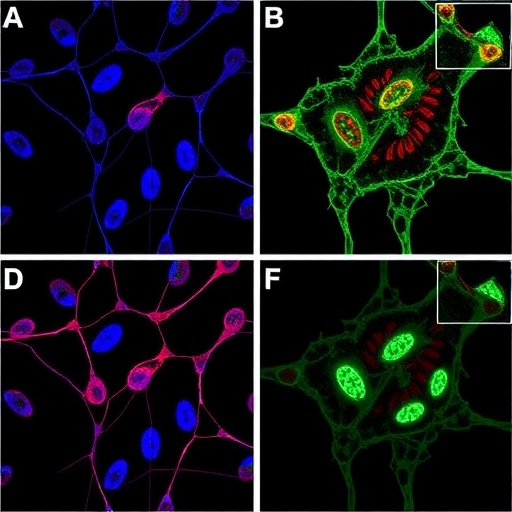
In the realm of retinal research, a groundbreaking study has emerged that highlights the intricate relationship between IL-6 trans-signaling and retinal neovascularization. This study, conducted by a team of researchers led by Jung et al., sheds light on a critical but often overlooked factor in the pathology of retinal diseases. Retinal neovascularization is a complex process that is pivotal in various ocular conditions, including diabetic retinopathy and age-related macular degeneration. The findings from this research invite a reevaluation of existing therapeutic approaches, emphasizing a potential new pathway for targeted treatments.
The study begins by framing the problem of retinal neovascularization, a condition characterized by the proliferation of new, abnormal blood vessels in the retina. Such pathological changes often lead to serious vision impairment and blindness. The role of pro-inflammatory cytokines in driving this process has been well-documented. However, the role of IL-6, particularly its trans-signaling mechanism, has not received the attention it deserves in the context of retinal health. The authors meticulously detail how IL-6 engages in a unique signaling pathway that may be critical in the neovascularization process.
IL-6 is a pleiotropic cytokine that plays diverse roles in immune responses, inflammation, and tissue homeostasis. Its trans-signaling pathway involves the interaction of IL-6 with its soluble receptor, leading to the activation of gp130 and downstream signaling cascades, including the JAK-STAT pathway. This intricate signaling network can promote inflammation, which has been linked to adverse outcomes in the retina. The study meticulously explores how this signaling pathway contributes to the recruitment of immune cells and the promotion of angiogenic factors, pointing to a possible nexus between inflammation and neovascularization.
In recent years, the concept of inflammation as a driver of various pathological conditions has gained considerable traction. The eye, in particular, serves as an interesting model to explore these relationships. The immune privilege of the eye underscores the uniqueness of immune responses in this tissue compared to other organs. The authors of the study draw connections between systemic inflammation and local retinal changes, suggesting that elevated IL-6 levels could result in a cascade of events leading to pathological neovascularization. By investigating these pathways, the researchers aim to present a more cohesive understanding of the mechanisms driving retinal diseases.
One of the standout features of the study is the use of various models to assess the role of IL-6 in retinal neovascularization. Animal models, particularly those that mimic diabetic retinopathy, provide critical insights into the mechanisms at play. By manipulating IL-6 signaling in these models, the authors were able to draw correlations between increased IL-6 levels and the extent of neovascularization. Their findings suggest that targeting IL-6 trans-signaling may offer a new avenue for retarding or even reversing the neovascular processes.
Moreover, the exploration of existing anti-inflammatory therapies illuminates the potential for re-purposing these agents in the treatment of retinal diseases. Corticosteroids, for instance, have long been used to ameliorate inflammation in various ocular conditions. However, their systemic side effects pose significant risks. The research underscores the need for more selective interventions that can specifically target the IL-6 pathway without broader immunosuppressive outcomes. The possibility of developing localized treatments that effectively dampen IL-6 signaling locally in the retina could revolutionize care for patients with diabetic retinopathy and other vascular retinal disorders.
Furthermore, the study contributes to a growing body of literature emphasizing the potential of biomarker identification in the management of retinal diseases. Elevated levels of IL-6 and its downstream signaling molecules could serve as indicators of disease progression, possibly aiding in early diagnosis and treatment stratification. This aspect of the research aligns with the increasing movement toward precision medicine in ophthalmology, where understanding individual patient profiles can lead to more targeted and effective therapies.
The authors also express a call to action for the broader scientific community to recognize IL-6 trans-signaling as a key player in retinal health. They advocate for further research to explore this pathway in greater depth, investigating other potential interactions with different signaling molecules in the retinal microenvironment. Such insights could lead to the discovery of novel therapeutic targets and strategies, ultimately enhancing patient outcomes.
As the field of retinal research continues to evolve, studies such as this one serve as reminders of the complex interplay between inflammation and neovascularization. The challenge remains to develop therapies that effectively mitigate these processes while minimizing adverse effects on the immune system. By harnessing the information gleaned from IL-6 trans-signaling studies, there lies the potential for significant advancements in the treatment of retinal diseases, addressing a public health challenge that affects millions worldwide.
In conclusion, Jung et al.’s study on IL-6 trans-signaling rejuvenates the discussion surrounding retinal neovascularization and calls for a shift in focus toward inflammatory pathways as critical drivers of disease. It highlights a pressing need for the scientific and medical communities to engage with these findings and pursue innovative approaches to treatment that leverage the insights gathered from this important research. The path to effective interventions relies significantly on understanding the underlying mechanisms of retinal diseases, paving the way for breakthroughs that could alter the landscape of ocular health.
This study not only emphasizes the significance of IL-6 in the context of retinal health but also offers a compelling narrative that propels future investigations into inflammatory pathways, urging researchers to deepen their exploration of the links between immune responses and retinal neovascularization. Armed with this knowledge, the scientific community is poised to make strides toward unraveling the complexities of retinal diseases and enhancing care for those affected.
Detection of IL-6 trans-signaling in the retina could also spur additional research initiatives aimed at understanding its wider implications beyond ocular health. Given the systemic consequences of aberrant IL-6 signaling, exploring its role in other disease models and conditions could yield valuable insights. Thus, the findings from this study could ripple across various fields of biomedical research, illustrating an essential intersection of inflammation, signaling pathways, and disease progression dynamics.
Such interdisciplinary approaches might uncover broader implications of targeting IL-6 trans-signaling, perhaps even suggesting its role in preventing or mitigating the onset of neurodegenerative conditions, cardiovascular events, and other inflammatory diseases. If validated, these hypotheses could transform how we approach not only retinal disease management but also our understanding of inflammatory pathologies at large. Hence, as the implications of this research continue to unfold, the potential for translational applications remains vast and exciting.
Through continuous exploration and comparative analysis of IL-6 signaling pathways across different tissues and conditions, the research community may soon unveil novel therapeutic targets and strategies that enhance patient care and outcomes, ensuring that the voices of those affected by these conditions are heard and addressed.
Subject of Research: The role of IL-6 trans-signaling in retinal neovascularization.
Article Title: IL-6 trans-signaling: an overlooked driver of retinal neovascularization?
Article References: Jung, M., Ness, J.N., Schwämmle, M.E. et al. IL-6 trans-signaling: an overlooked driver of retinal neovascularization? Angiogenesis 29, 11 (2026). https://doi.org/10.1007/s10456-025-10022-8
Image Credits: AI Generated
DOI: https://doi.org/10.1007/s10456-025-10022-8
Keywords: IL-6, retinal neovascularization, trans-signaling, inflammation, angiogenesis, diabetes, ocular health, biomarkers, targeted therapy.
Tags: abnormal blood vessel proliferation retinaage-related macular degeneration insightscytokine signaling pathways in retinadiabetic retinopathy researchIL-6 trans-signalingocular inflammation and healthpro-inflammatory cytokines in eye diseasesretinal disease pathology and treatmentretinal neovascularization mechanismstargeted therapies for retinal conditionstherapeutic approaches for retinal diseasesvision impairment risk factors