• HOME
  • NEWS
  • EXPLORE
    • CAREER
      • Companies
      • Jobs
    • EVENTS
    • iGEM
      • News
      • Team
    • PHOTOS
    • VIDEO
    • WIKI
  • BLOG
  • COMMUNITY
    • FACEBOOK
    • INSTAGRAM
    • TWITTER
Tuesday, June 30, 2026
BIOENGINEER.ORG
No Result
View All Result
  • Login
  • HOME
  • NEWS
  • EXPLORE
    • CAREER
      • Companies
      • Jobs
        • Lecturer
        • PhD Studentship
        • Postdoc
        • Research Assistant
    • EVENTS
    • iGEM
      • News
      • Team
    • PHOTOS
    • VIDEO
    • WIKI
  • BLOG
  • COMMUNITY
    • FACEBOOK
    • INSTAGRAM
    • TWITTER
  • HOME
  • NEWS
  • EXPLORE
    • CAREER
      • Companies
      • Jobs
        • Lecturer
        • PhD Studentship
        • Postdoc
        • Research Assistant
    • EVENTS
    • iGEM
      • News
      • Team
    • PHOTOS
    • VIDEO
    • WIKI
  • BLOG
  • COMMUNITY
    • FACEBOOK
    • INSTAGRAM
    • TWITTER
No Result
View All Result
Bioengineer.org
No Result
View All Result
Home NEWS Science News Health

How trans fats assist cell death

Bioengineer by Bioengineer
March 25, 2020
in Health
Reading Time: 2 mins read
0
IMAGE
Share on FacebookShare on TwitterShare on LinkedinShare on RedditShare on Telegram

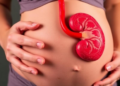
Some trans fats enhance a pathway inside the cell that leads to cell death; drugs targeting this mechanism could help address diseases associated with these fats

IMAGE

Credit: Tohoku University


Tohoku University researchers in Japan have uncovered a molecular link between some trans fats and a variety of disorders, including cardiovascular and neurodegenerative diseases. Their findings, published in the journal Scientific Reports, implicate their role in enhancing a mitochondrial signalling pathway that leads to programmed cell death.

“Accumulating evidence has associated the consumption of trans-fatty acids with various diseases, including some lifestyle diseases, atherosclerosis and dementia. But the underlying causes have remained largely unknown,” says Atsushi Matsuzawa of Tohoku University’s Laboratory of Health Chemistry.

Matsuzawa and a team of researchers explored the effects of two trans fats produced during industrial food manufacturing, elaidic and linoelaidic acids, on programmed cell death.

Cells instigate programmed cell death, which is called apoptosis, if their DNA is damaged beyond repair. DNA damage can occur in response to a variety of factors, including reactive oxygen species, ultraviolet irradiation and anti-cancer drugs. Normally, cells counteract this process by repairing the lesions. But problems in the DNA damage response can lead to diseases also associated with trans fats.

The researchers induced DNA damage in cells using the anti-cancer drug doxorubicin. They found that elaidic and linoelaidic acids enhanced the apoptosis that followed. Other unsaturated fatty acids did not have the same effect.

Specifically, they found the fatty acids affected mitochondria, the energy-generating powerhouses of cells. DNA damage activates a signalling loop inside mitochondria that generates reactive oxygen species, which ultimately promote apoptosis. The industrial trans fats enhanced mitochondria’s production of reactive oxygen species through this signalling loop, and thus increased apoptosis.

Apoptosis is thought to lead to the development and progression of disorders associated with industrial trans fats, such as the build-up of plaque inside arteries, called atherosclerosis.

“Our research revealed a novel toxic function and mechanism of action of trans-fatty acids, which can account for pathological mechanisms, including atherosclerosis,” says Matsuzawa. “This significant finding will provide a molecular basis to understand how trans-fatty acids cause disease.”

The researchers theorize that targeting this molecular mechanism with drugs might have a therapeutic effect on a diverse range of trans-fat-associated diseases. The team plans to further investigate this link and the extent to which this mechanism contributes to these diseases. They also aim to determine the differences in toxicity between different trans fats.

###

Media Contact
Atsushi Matsuzawa
[email protected]
81-227-956-827

Original Source

https://www.tohoku.ac.jp/en/press/how_trans_fats_assist_cell_death.html

Related Journal Article

http://dx.doi.org/10.1038/s41598-020-59636-6

Tags: Diet/Body WeightMedicine/Health
Share12Tweet8Share2ShareShareShare2

Related Posts

Tracking Lanthanide-Labeled Microplastics in Plants

June 25, 2026

Neural Design Enables Zero-Shot Drug-Binding Proteins

June 25, 2026

Genomic Insights into Human Skin Fungi Diversity

June 25, 2026

Chiral Laser Gyroscopes Surpass Lock-In Limit

June 25, 2026
Please login to join discussion

POPULAR NEWS

  • Saying Goodbye to PGY-6: Pediatric Fellowship Realities

    103 shares
    Share 41 Tweet 26
  • Multi-Hospital Study Reveals Long Covid Burden Is Twice as High as Current Estimates

    92 shares
    Share 36 Tweet 23
  • Detection of EDCs in Breast Milk and Infant Urine Up to Six Months Highlights Early Exposure Risks

    77 shares
    Share 31 Tweet 19
  • New Drug Candidate Developed at McMaster Shows Potential for Treating Brain Cancer

    58 shares
    Share 23 Tweet 15

About

We bring you the latest biotechnology news from best research centers and universities around the world. Check our website.

Follow us

Recent News

Tracking Lanthanide-Labeled Microplastics in Plants

POSTECH Researchers Slash Cost of Reconstituted Cell-Free Systems by 95%

AI and Physics Collaborate to Design Advanced Hydrogen Storage Materials

Subscribe to Blog via Email

Success! An email was just sent to confirm your subscription. Please find the email now and click 'Confirm' to start subscribing.

Join 82 other subscribers
  • Contact Us

Bioengineer.org © Copyright 2023 All Rights Reserved.

Welcome Back!

Login to your account below

Forgotten Password?

Retrieve your password

Please enter your username or email address to reset your password.

Log In
No Result
View All Result
  • Homepages
    • Home Page 1
    • Home Page 2
  • News
  • National
  • Business
  • Health
  • Lifestyle
  • Science

Bioengineer.org © Copyright 2023 All Rights Reserved.