Aging may leave a genetic record in nearly every tissue of the human body, written not in the DNA inherited at conception but in mutations acquired during life. A review by E. Pan, A. Maslov and J. Vijg, published in Experimental & Molecular Medicine, examines how these somatic mutations generate genome mosaicism and influence aging, cancer and other diseases. The central message is both unsettling and scientifically powerful: the body is not genetically uniform. Instead, it becomes a patchwork of cell populations carrying subtly different genomes, shaped by development, metabolism, environmental exposure and time.
Somatic mutations are changes that arise in cells after fertilization and are not normally passed to offspring. They can result from copying errors when DNA is replicated, chemical damage caused by reactive oxygen species, exposure to ultraviolet radiation or tobacco smoke, and failures in the molecular systems that repair damaged DNA. Some mutations have little or no detectable effect, particularly when they occur in regions of the genome that do not control cellular behavior. Others alter genes involved in growth, cell survival, DNA repair or immune regulation. When a mutated cell divides, it can transmit that alteration to its descendants, creating a clone within an otherwise healthy tissue.
This process produces genome mosaicism, a condition in which genetically distinct cell populations coexist in the same individual. Mosaicism begins early in embryonic development, when a mutation in a dividing precursor cell can be inherited by a large branch of the developing body. It continues throughout life as tissues renew themselves. The size and importance of a mutant clone depend on when the mutation appears, which cell acquires it, how frequently that cell divides and whether the change gives its descendants a competitive advantage. A mutation in a long-lived stem cell, for example, may spread through an entire tissue more efficiently than one in a short-lived, highly specialized cell.
The review places particular emphasis on the relationship between somatic mutations and aging. As people grow older, DNA damage accumulates, repair capacity may decline and the selective forces acting within tissues can change. Stem cells carrying advantageous mutations may gradually expand, replacing neighboring cells. In blood, this phenomenon is known as clonal hematopoiesis. A person may have a detectable population of blood cells carrying mutations in genes associated with leukemia without having cancer. Yet these clones can be linked to elevated risks of blood malignancies, cardiovascular disease and chronic inflammation, illustrating how a genetic change in one tissue can affect the entire organism.
Cancer represents the most visible consequence of somatic evolution. Tumors typically develop through the gradual accumulation of mutations that allow cells to divide independently of normal controls, evade immune surveillance, resist cell death and invade surrounding tissues. However, the review’s broader perspective suggests that cancer is not an isolated genetic event but an extreme outcome of processes occurring across aging tissues. Normal cells can acquire cancer-associated mutations without forming tumors, while tissue damage, inflammation and altered cellular environments may determine whether a potentially dangerous clone remains dormant or expands. This distinction is crucial for interpreting genetic findings in people who have no clinical signs of cancer.
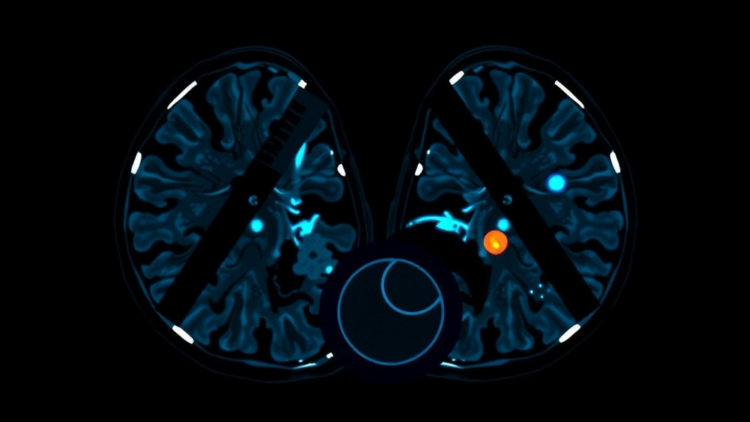
Somatic mutations are also being detected in organs once thought to be genetically stable, including the brain. Neurons generally do not divide after development, but they can still accumulate mutations through DNA damage and imperfect repair. In some cases, early developmental mutations may affect a large group of neurons and contribute to neurological disorders. In others, mutations acquired later may remain confined to individual cells or small cell clusters. Researchers are investigating whether such mosaic changes influence neurodegeneration, epilepsy, cognitive decline and psychiatric disease, although detecting their effects is difficult because brain tissues are highly heterogeneous and most mutations occur at very low frequencies.
Modern sequencing technologies are transforming the study of this hidden genetic landscape. Conventional genome sequencing analyzes DNA extracted from many cells at once, which can obscure mutations present in only a small fraction of them. Single-cell sequencing, ultra-deep sequencing and methods that combine genetic information with the precise location of cells can reveal rare clones and trace their lineages. These approaches also create technical challenges. Sequencing errors can resemble genuine mutations, and a mutation found in a tissue sample may be present in only a few cells or may reflect contamination from another cell population. Reliable interpretation therefore requires rigorous error correction, independent validation and careful comparison between tissues and individuals.
Understanding genome mosaicism could eventually change how disease risk is measured and treated. Instead of relying solely on inherited genetic variants or visible symptoms, clinicians may be able to monitor the emergence and growth of somatic clones as early biological signals. Blood tests already make it possible to identify some forms of clonal hematopoiesis, but the clinical meaning of many findings remains uncertain. A detectable mutation does not guarantee disease, and eliminating every mutant cell may be neither practical nor desirable. Future strategies may focus on reducing inflammation, improving tissue resilience, correcting specific repair defects or selectively targeting clones that show clear signs of harmful expansion.
The authors’ synthesis presents aging as a dynamic competition among cell populations rather than a uniform decline affecting every cell in the same way. Each tissue carries its own history of mutation, selection and repair, and that history may help explain why individuals of the same chronological age develop very different diseases. Genome mosaicism is therefore more than a molecular curiosity: it is a biological record of how bodies respond to time. As sequencing becomes more sensitive, this record is likely to become increasingly visible, bringing both new opportunities for early diagnosis and new questions about how much genetic change should be considered normal.
Subject of Research: Somatic mutations, genome mosaicism, aging, cancer and disease
Article Title: Somatic mutations and genome mosaicism in aging and disease
Article References: Pan, E., Maslov, A. & Vijg, J. Somatic mutations and genome mosaicism in aging and disease. Experimental & Molecular Medicine (2026). https://doi.org/10.1038/s12276-026-01791-3
Image Credits: AI Generated
DOI: 10.1038/s12276-026-01791-3
Keywords: somatic mutations, genome mosaicism, aging, DNA damage, clonal hematopoiesis, cancer, stem cells, single-cell sequencing, neurodegeneration, genomic medicine