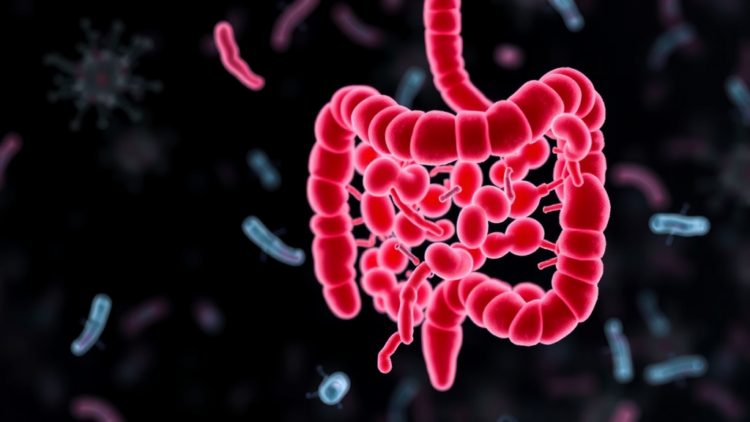
Trillions of microorganisms living in the human gut are emerging as unexpected arbiters of cancer treatment success. A comprehensive review published in Discover Biotechnology synthesizes a decade of clinical and preclinical evidence showing that the composition of the gut microbiome profoundly influences how patients respond to immune checkpoint inhibitors, chemotherapy, and other cancer therapies. The findings suggest that the difference between a dramatic tumor regression and a disappointing non-response may, in part, be written in the gut.
At the center of this story are short-chain fatty acids, or SCFAs, metabolites produced when gut bacteria ferment dietary fiber. Butyrate, acetate, and propionate do far more than nourish the intestinal lining. Butyrate acts as a histone deacetylase inhibitor, meaning it chemically modifies chromatin to switch on genes involved in anti-inflammatory pathways and cytotoxic T-cell function. Studies cited in the review show that butyrate enhances the differentiation of regulatory T cells, suppresses pro-inflammatory cytokine production through inhibition of NF-κB signaling, and boosts the tumor-killing activity of CD8-positive T cells and natural killer cells by upregulating interleukin-12 and interferon-gamma. Bacteria such as Faecalibacterium prausnitzii and Clostridium butyricum, which produce butyrate, have been repeatedly associated with improved outcomes in patients receiving immune checkpoint inhibitors.
The review also dissects how specific bacterial species act as biological adjuvants for immunotherapy. Akkermansia muciniphila, a mucin-degrading bacterium, has been linked to superior responses to anti-PD-1 therapy, apparently because it recruits dendritic cells to the gut barrier and promotes the infiltration of CCR9-positive, CXCR3-positive CD4-positive T lymphocytes into tumors. Bifidobacterium longum, meanwhile, enhances dendritic cell maturation and antigen presentation, and preclinical studies show that mice supplemented with this bacterium mount stronger anti-PD-L1 responses. In landmark clinical work, melanoma patients with higher abundance of Akkermansia muciniphila responded significantly better to anti-PD-1 treatment than those lacking the species.
Not all microbes are allies, however. The review devotes considerable attention to dysbiosis, the imbalance of gut microbial communities that undermines therapy. Fusobacterium nucleatum, overrepresented in many colorectal cancers, promotes immune evasion by expanding myeloid-derived suppressor cells and regulatory T cells, suppressing the cytotoxic CD8-positive T cells that checkpoint inhibitors rely upon. In pancreatic cancer, Gammaproteobacteria express the enzyme cytidine deaminase, which degrades the chemotherapy drug gemcitabine into an inactive form, rendering treatment ineffective. Certain bacteria also reactivate drug metabolites in ways that amplify toxicity, as with microbial beta-glucuronidase reactivating irinotecan, illustrating that the microbiome can cut both ways.
The mechanistic picture extends beyond metabolites. Microbe-associated molecular patterns such as lipopolysaccharides and flagellins engage Toll-like receptors on immune cells, triggering type I interferons and interleukin-12 that sharpen antigen presentation and T-cell priming. The aryl hydrocarbon receptor, activated by microbial indole derivatives from Lactobacillus and Bacteroides species, modulates cytokine production and T-cell differentiation, with context-dependent effects on tumor immunity. Perhaps most striking is molecular mimicry: some microbial peptides resemble tumor-associated antigens closely enough to prime cross-reactive T cells, effectively training the immune system to recognize cancer.
These insights have spawned a therapeutic pipeline. Fecal microbiota transplantation, in which stool from immunotherapy responders is transferred to non-responders, has produced remarkable results in early trials. In landmark studies, melanoma patients who had previously failed anti-PD-1 therapy experienced significant tumor shrinkage after receiving fecal transplants from responsive donors, with restored microbial diversity and reinvigorated T-cell activity. Probiotics, prebiotics, and synbiotics are being tested as gentler alternatives, while engineered bacteria capable of secreting interleukin-12 directly into tumors represent a synthetic biology frontier. Small molecules that mimic butyrate or modulate tryptophan metabolism are also under investigation.
The review emphasizes that antibiotics may be an underappreciated threat to immunotherapy success. Broad-spectrum antibiotic use before or during checkpoint inhibitor treatment has been associated with lower response rates and shorter progression-free survival, presumably because it eliminates beneficial species such as Faecalibacterium, Bifidobacterium, and Akkermansia and disrupts SCFA production. Preclinical models confirm that antibiotic-treated mice show impaired tumor regression following anti-PD-1 therapy, prompting calls for microbiome-prescribing caution in oncology.
Personalized microbiome profiling is positioned as the next step. Techniques including 16S rRNA gene sequencing, shotgun metagenomics, and metabolomics can already identify whether a patient’s gut community is likely to support or sabotage immunotherapy. Machine learning models that integrate microbiome data with genomic and clinical markers are being developed to predict which patients will benefit from specific interventions, potentially allowing clinicians to reshape a patient’s microbiome before starting treatment. Microbiome-based diagnostic panels measuring species such as Akkermansia muciniphila and Faecalibacterium prausnitzii, alongside SCFA levels, could guide these decisions.
Significant obstacles remain before microbiome medicine becomes routine. Inter-individual variability in gut communities, driven by diet, geography, genetics, and antibiotic exposure, makes standardized interventions difficult. Regulatory frameworks for probiotics, prebiotics, and fecal transplantation in oncology are still immature, and safety concerns, including opportunistic infections and immune complications such as colitis in checkpoint inhibitor patients, demand rigorous screening protocols. Discrepancies between sequencing methods further complicate the comparison of studies and the validation of biomarkers.
Nevertheless, the trajectory is clear. The review argues that the microbiome-immune interface represents a paradigm shift in oncology, moving the field toward precision immunotherapy in which the gut ecosystem is treated as a modifiable organ of the immune system. With large-scale randomized trials underway and engineered microbial therapeutics advancing through preclinical development, the prospect of converting immunotherapy non-responders into responders by reprogramming their gut bacteria is no longer science fiction but an active clinical frontier.
Subject of Research: The role of the gut microbiome and its metabolites in modulating immune responses and therapeutic outcomes in cancer
Article Title: The mechanisms and therapeutic potential of the microbiome-immune interface in cancer
Article References: Christina, B., Poongkuzhali, S., Muninathan, N., Bhaskaran, K., & Suresh, A. (2025). The mechanisms and therapeutic potential of the microbiome-immune interface in cancer. Discover Biotechnology, 2(1), Article 25. https://doi.org/10.1007/s44340-025-00031-0
Image Credits: AI Generated
DOI: 10.1007/s44340-025-00031-0
Keywords: microbiome, cancer immunotherapy, immune checkpoint inhibitors, gut microbiota, short-chain fatty acids, Akkermansia muciniphila, Fusobacterium nucleatum, fecal microbiota transplantation, probiotics, dysbiosis, tumor microenvironment, personalized oncology
Cite Scienmag News
APA
MLA
Chicago
Nathaniel Bowman. (September 24, 2026). How Gut Bacteria Decide Whether Cancer Immunotherapy Works. Scienmag. https://scienmag.com/how-gut-bacteria-decide-whether-cancer-immunotherapy-works/
Nathaniel Bowman. “How Gut Bacteria Decide Whether Cancer Immunotherapy Works.” Scienmag, 24 September 2026, https://scienmag.com/how-gut-bacteria-decide-whether-cancer-immunotherapy-works/. Accessed 25 September 2026.
Nathaniel Bowman. “How Gut Bacteria Decide Whether Cancer Immunotherapy Works.” Scienmag. September 24, 2026. https://scienmag.com/how-gut-bacteria-decide-whether-cancer-immunotherapy-works/
Copy citation
Download RIS
Tags: Akkermansia muciniphilabacterial species linked to immune checkpoint inhibitor responsecancer immunotherapydysbiosisfecal microbiota transplantationFusobacterium nucleatumgut bacteria influence on T cell activationGut microbiome and cancer immunotherapy responsegut microbiotagut microbiota and chemotherapy effectivenessimmune checkpoint inhibitorsimpact of butyrate on immune cell functioninfluence of dietary fiber fermentation on cancer treatmentmicrobial metabolites in cancer therapy efficacymicrobiomemicrobiome modulation to improve immunotherapy successmicrobiome-targeted strategies formicrobiota composition and tumor regressionPersonalized oncologyprobiotic bacteria associated with better cancer outcomesprobioticsrole of short-chain fatty acids in cancer treatmentshort-chain fatty acidstumor microenvironment