• HOME
  • NEWS
  • EXPLORE
    • CAREER
      • Companies
      • Jobs
    • EVENTS
    • iGEM
      • News
      • Team
    • PHOTOS
    • VIDEO
    • WIKI
  • BLOG
  • COMMUNITY
    • FACEBOOK
    • INSTAGRAM
    • TWITTER
Thursday, October 8, 2026
BIOENGINEER.ORG
No Result
View All Result
  • Login
  • HOME
  • NEWS
  • EXPLORE
    • CAREER
      • Companies
      • Jobs
        • Lecturer
        • PhD Studentship
        • Postdoc
        • Research Assistant
    • EVENTS
    • iGEM
      • News
      • Team
    • PHOTOS
    • VIDEO
    • WIKI
  • BLOG
  • COMMUNITY
    • FACEBOOK
    • INSTAGRAM
    • TWITTER
  • HOME
  • NEWS
  • EXPLORE
    • CAREER
      • Companies
      • Jobs
        • Lecturer
        • PhD Studentship
        • Postdoc
        • Research Assistant
    • EVENTS
    • iGEM
      • News
      • Team
    • PHOTOS
    • VIDEO
    • WIKI
  • BLOG
  • COMMUNITY
    • FACEBOOK
    • INSTAGRAM
    • TWITTER
No Result
View All Result
Bioengineer.org
No Result
View All Result
Home NEWS Science News Health

How chandelier cells light up the brain

Bioengineer by Bioengineer
June 18, 2020
in Health
Reading Time: 3 mins read
0
IMAGE
Share on FacebookShare on TwitterShare on LinkedinShare on RedditShare on Telegram

IMAGE

Credit: CSHL

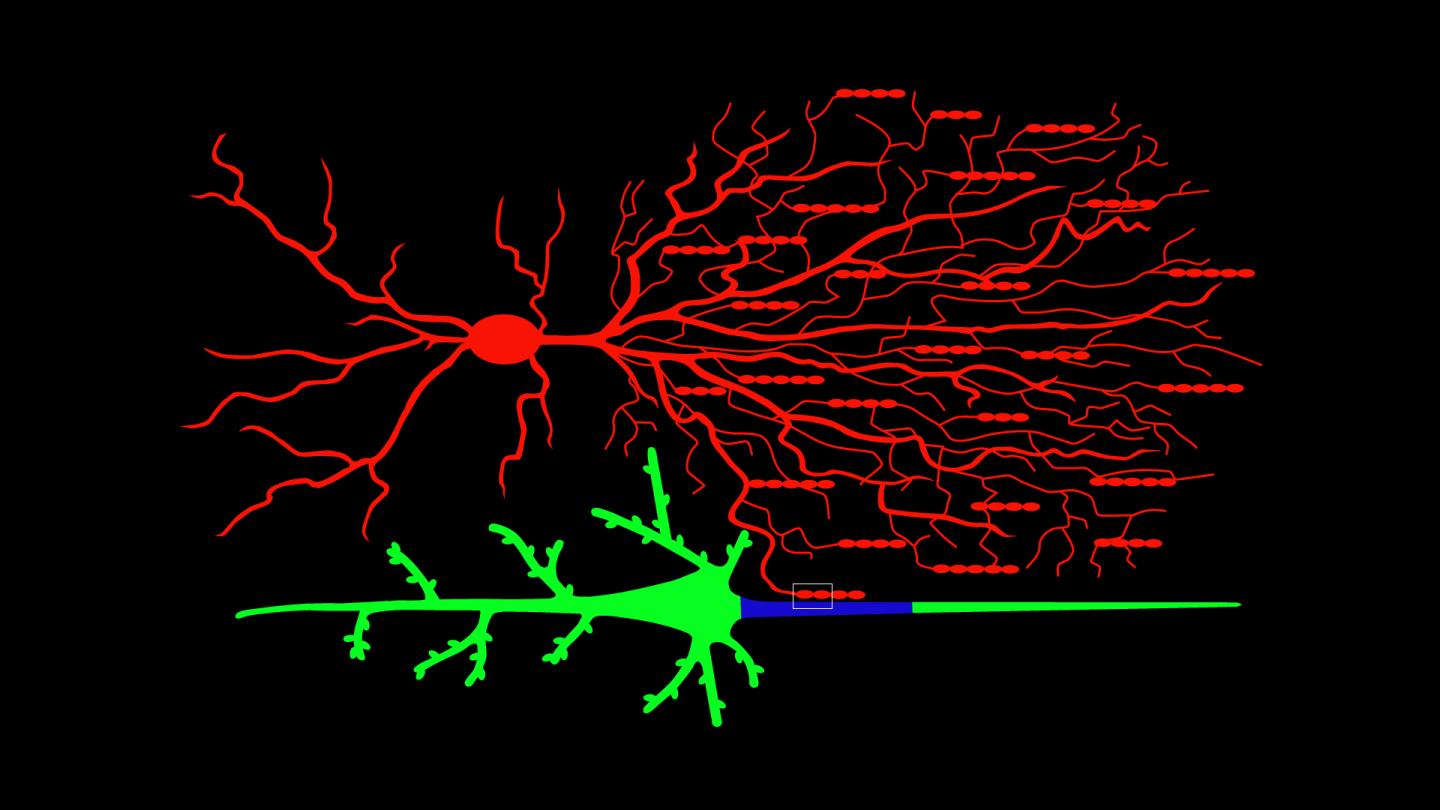
Within the intricate network of cells that make up the brain, chandelier cells stand out for their elaborate, branching structure. With an elegant shape similar to that of its namesake, a single chandelier cell reaches out to connect and communicate with more than 100 other neurons. Abnormalities in chandelier cells have been linked to epilepsy, autism, and schizophrenia, underscoring their critical role in keeping brain signaling in balance. However, these cells have been notoriously difficult to study as their numbers are few, so until recently, chandelier cells remained largely enigmatic.

Chandelier cells are influential regulators of signaling in the brain, according to Cold Spring Harbor Laboratory (CSHL) Professor Linda Van Aelst, CSHL/Stony Brook University graduate student Nicholas Gallo, and Penn State Assistant Professor Anirban Paul. They note in a review article published online June 18, 2020 in the journal Trends in Neurosciences (TINS) that in addition to the sheer abundance of their connections, chandelier cells have an unusually direct method of communication. Most neurons contact their target neurons in places that don’t directly generate electrical “spikes,” but chandelier cells connect directly to the part of a target neuron that initiates a spike. Spikes facilitate both short and long distance communication in the brain. Van Aelst explains, “In principle, the chandelier cell is ideally suited to exert powerful control over the output or spiking of neighboring neurons.”

In recent years scientists have been able to apply new tools to understanding these previously poorly understood cells. In particular, a genetically engineered mouse from CSHL Professor Z. Josh Huang and a labeling method developed in Van Aelst’s laboratory give researchers the ability to find and manipulate the cells.

The TINS article details important discoveries about when and how chandelier cells form and establish their connections, as well as the accumulating evidence linking the cells to neurodevelopmental disorders. Gallo describes how epilepsy could be caused by having too many or too few chandelier cells:

“The main take-home point is that there’s this imbalance in the excitation and inhibition in the brain. So I was thinking it’s like a Seesaw, you know, to keep it level, so stuff functions properly. But if you have an increase in inhibition or an increase in excitation, either way, it’s going to cause epilepsy. If you cause too much excitation you’d get a seizure.”

Priorities for future research include looking at how chandelier cells differ in different parts of the brain, as well as determining how other cell types influence chandelier cell development and wiring. Importantly, Van Aelst, Gallo, and Paul say such studies will allow them to tease out the cells’ functional roles and their contributions to disease. Van Aelst thinks chandelier cell research is lighting up:

“Over the past few years, there’s several new technologies that have emerged that allowed us to address a little better–it’s still challenging–uh, to gain more insight on chandelier cells. There’s so much cool stuff to be done. Does it have different impact on behavior? Are there different molecules involved? The cool thing is if you have a molecule, you can manipulate a molecule and see where it affects those physiological properties, right? So that’s the reason why the excitement over the last few years.”

###

Media Contact
Sara Roncero-Menendez
[email protected]

Original Source

https://www.cshl.edu/how-chandelier-cells-light-up-the-brain/

Related Journal Article

http://dx.doi.org/10.1016/j.tins.2020.05.003

Tags: BiologyCell BiologyMedicine/HealthMental Healthneurobiology
Share12Tweet8Share2ShareShareShare2

Related Posts

Frozen Testicular Tissue Transplant Offers UK Fertility First for Young Cancer Patients

Frozen Testicular Tissue Transplant Offers UK Fertility First for Young Cancer Patients

October 8, 2026
Methotrexate Blunts Neutrophil Migration and Boosts LOX-1 Expression, Study Finds

Methotrexate Blunts Neutrophil Migration and Boosts LOX-1 Expression, Study Finds

October 8, 2026

Why the Body Fights Back: New POWERS Collection Probes the Physiology of Weight Loss Maintenance

October 8, 2026

Moral Infrastructure: Why Honest Medicine Depends on Working Conditions, Not Just Character

October 8, 2026
Please login to join discussion

POPULAR NEWS

  • Alloys That Shrink Their Own Grains: New PIX Mechanism Refines Metals With Heat Alone

    Alloys That Shrink Their Own Grains: New PIX Mechanism Refines Metals With Heat Alone

    29 shares
    Share 12 Tweet 7
  • Endurance Exercise Reshapes the Liver in Males and Females Through Distinct Molecular Routes

    29 shares
    Share 12 Tweet 7
  • Single Transcription Factor PU.1 Rapidly Converts Fibroblasts into Macrophage-Lineage Cells

    29 shares
    Share 12 Tweet 7
  • New Scale Measures How Ready Nurse Educators Really Are for the AI Era

    29 shares
    Share 12 Tweet 7

About

We bring you the latest biotechnology news from best research centers and universities around the world. Check our website.

Follow us

Recent News

Alloys That Shrink Their Own Grains: New PIX Mechanism Refines Metals With Heat Alone

Endurance Exercise Reshapes the Liver in Males and Females Through Distinct Molecular Routes

Single Transcription Factor PU.1 Rapidly Converts Fibroblasts into Macrophage-Lineage Cells

Subscribe to Blog via Email

Success! An email was just sent to confirm your subscription. Please find the email now and click 'Confirm' to start subscribing.

Join 85 other subscribers
  • Contact Us

Bioengineer.org © Copyright 2023 All Rights Reserved.

Welcome Back!

Login to your account below

Forgotten Password?

Retrieve your password

Please enter your username or email address to reset your password.

Log In
No Result
View All Result
  • Homepages
    • Home Page 1
    • Home Page 2
  • News
  • National
  • Business
  • Health
  • Lifestyle
  • Science

Bioengineer.org © Copyright 2023 All Rights Reserved.