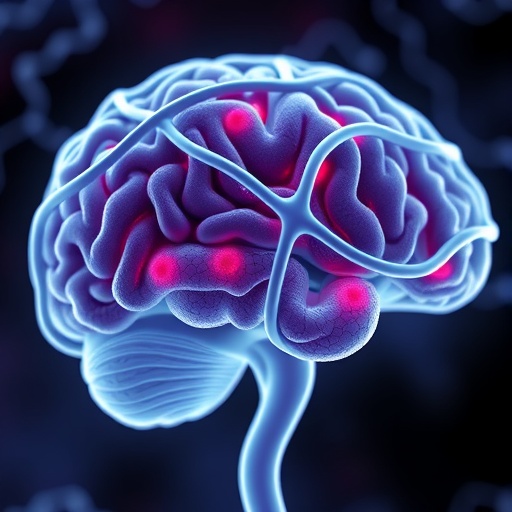
In a groundbreaking study that promises to reshape our understanding of neurological disorders, researchers have unveiled the critical functions of HMGA proteins in brain tumorigenesis and neurodegeneration. These architectural chromatin factors, known primarily for their role in regulating gene expression by modulating the chromatin structure, now emerge as key players in the complex molecular pathways underlying brain diseases.
The team led by Canè, Paladino, Conte, and colleagues has delved into the multifaceted roles of HMGA proteins within the nervous system. These non-histone chromosomal proteins are known to bind AT-rich regions of DNA, altering chromatin conformation and thereby influencing the transcriptional landscape of cells. Their aberrant expression has recently been linked to the initiation and progression of various cancers, but this study extends their significance to neural contexts, specifically focusing on brain tumor formation and neurodegenerative mechanisms.
One of the remarkable findings from this research is the dualistic role HMGA proteins play depending on cellular context. In brain tumors, HMGA overexpression appears to drive oncogenic processes by promoting cellular proliferation, enhancing stem-like properties of tumor cells, and evading apoptotic signals. Mechanistically, HMGA proteins facilitate the chromatin remodeling necessary for oncogenic transcription factors to access their target genes, thus sustaining tumor growth and resistance to therapy.
Conversely, in neurodegeneration, the study reveals that HMGA proteins contribute to neuronal vulnerability. Dysregulation of HMGA expression disrupts the delicate equilibrium of gene networks that govern neuronal survival and plasticity. This disruption potentially accelerates processes such as protein aggregation, synaptic dysfunction, and ultimately, neuronal death which are hallmarks of neurodegenerative diseases like Alzheimer’s and Parkinson’s.
The authors further illuminate how HMGA-mediated chromatin remodeling intersects with epigenetic modifications in both pathological states. For example, HMGA proteins appear to recruit or modulate histone modifiers and DNA methylation machinery, orchestrating comprehensive epigenetic changes that exacerbate disease progression. These insights provide promising avenues for therapeutic targeting, focusing on reversing or modulating HMGA activity to restore healthy gene expression patterns.
Technically, the researchers employed advanced genomic and proteomic analyses, including chromatin immunoprecipitation sequencing (ChIP-seq) and RNA sequencing, to map the binding landscape and downstream gene networks controlled by HMGA proteins in neural cells. Their integrative approach highlighted dozens of novel neural-specific HMGA targets implicated in cellular stress responses, development, and metabolic regulation.
This seminal work not only advances our molecular understanding of brain tumorigenesis and neurodegeneration but also underscores the potential of HMGA proteins as biomarkers and therapeutic targets. The capacity to modulate chromatin architecture selectively in affected neural populations could open revolutionary treatment strategies for some of the most devastating brain disorders.
As the neuroscience community digests these findings, future research will undoubtedly build on this foundation to explore targeted modulation of HMGA functions, ultimately aiming to halt or reverse pathogenic processes with high specificity.
Subject of Research: HMGA proteins’ role in brain tumorigenesis and neurodegeneration
Article Title: HMGA proteins in the nervous system: role in brain tumorigenesis and neurodegeneration
Article References:
Canè, C., Paladino, S., Conte, A. et al. HMGA proteins in the nervous system: role in brain tumorigenesis and neurodegeneration. Cell Death Discov. (2026). https://doi.org/10.1038/s41420-026-03242-4
Image Credits: AI Generated
DOI: https://doi.org/10.1038/s41420-026-03242-4
Tags: brain tumorschromatin architecture in brain disorderschromatin factors in brain cancerchromatin remodeling in neural cellsepigenetic regulation of neural diseasesgene regulation in neuro-oncologyHMGA protein expression in neurodegenerationHMGA proteinsmolecular pathways of brain tumorigenesisneural stem cell proliferationneurodegenerative diseasesrole of non-histone chromosomal proteins in neurobiology