


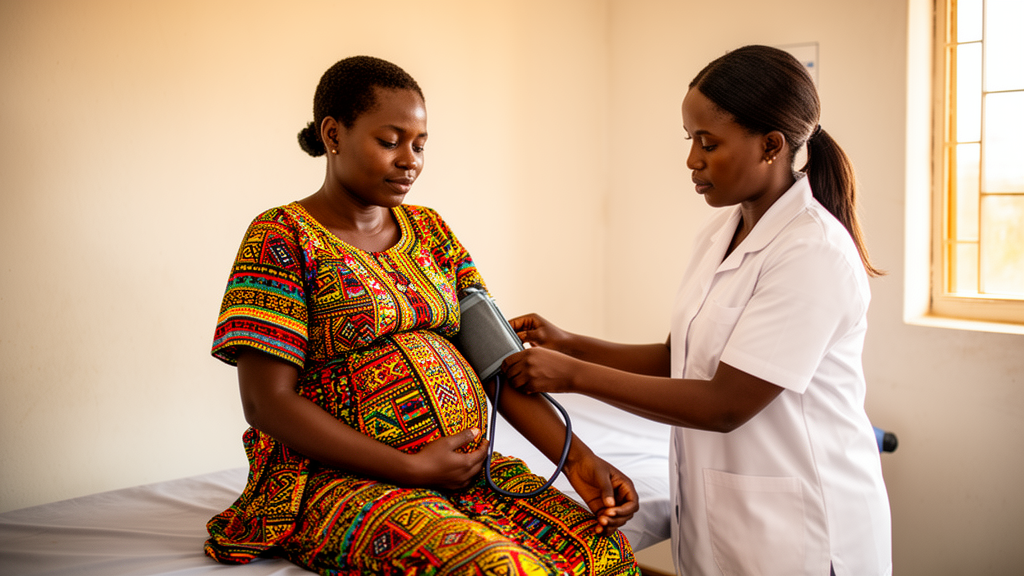
A systematic review and meta-analysis published in BMC Infectious Diseases has pooled the results of 25 studies conducted across Ethiopia to arrive at a single, up-to-date estimate of hepatitis B virus infection among pregnant women. The analysis, which covered primary research published between January 1, 2021 and December 25, 2025, found a pooled prevalence of 7.3% (95% confidence interval: 6.3–8.4%).
The review followed the Preferred Reporting Items for Systematic Reviews and Meta-Analyses (PRISMA) 2020 guidelines. The search teams queried Google Scholar, PubMed, Embase, Web of Science, Scopus, the Cochrane Library and African Journal Online to identify relevant Ethiopian studies within the five-year window. Methodological quality of the included studies was appraised with the Joanna Briggs Institute tool, and the pooled estimate was calculated using a random-effects DerSimonian-Laird model.
Heterogeneity between the 25 studies was substantial and statistically significant, with an I² statistic of 76.25% and a p-value below 0.001. The evidence reports substantial heterogeneity between the studies but does not identify its specific sources. The authors also assessed publication bias using Egger's test and a funnel plot.
Beyond the headline prevalence figure, the meta-analysis identified ten factors significantly associated with hepatitis B infection among pregnant women in the included studies. The strongest association was with HIV positivity, which carried an adjusted odds ratio of 10.04 (95% CI: 3.91–25.75), meaning women living with HIV in these studies had roughly ten times the odds of hepatitis B infection compared with those without HIV. Contact history with hepatitis B patients was also strongly linked, with an adjusted odds ratio of 8.38 (95% CI: 3.89–18.06).
Behavioral and medical exposure histories formed a consistent pattern of risk. Multiple sexual partners were associated with an adjusted odds ratio of 7.91 (95% CI: 5.31–11.8), a family history of hepatitis B with 6.37 (95% CI: 3.83–10.6), and a history of blood transfusion with 6.32 (95% CI: 4.11–9.74). Hospitalization history carried an adjusted odds ratio of 3.99 (95% CI: 2.47–6.45), history of abortion 3.81 (95% CI: 1.69–8.57), traditional tonsillectomy 3.81 (95% CI: 1.92–7.57), dental procedures 3.64 (95% CI: 1.92–6.92), and body tattooing 3.54 (95% CI: 1.65–7.58).
These associated factors are observational associations and cannot by themselves establish that any given exposure causes infection. Because the estimates are adjusted odds ratios pooled across studies, the confidence intervals indicate the precision of each association within this body of Ethiopian research.
The authors frame their pooled estimate as a response to a fragmented evidence base: although primary studies had been conducted across different Ethiopian regions, no current synthesis of the pooled prevalence and its associated factors was available for the most recent period.
Based on the intermediate-high prevalence they measured, the authors recommend early detection of hepatitis B infection among pregnant women, awareness creation on the modes of hepatitis B transmission, and early implementation of evidence-based control measures. These are the conclusions of the review authors rather than new intervention results; the study establishes the scale of the problem and its correlates, not the effectiveness of any specific program.
A few caveats bound the interpretation. The analysis is a synthesis of published observational studies, so it inherits the limitations of those primary studies, including their varied designs and the substantial heterogeneity quantified by the I² statistic. The search was restricted to studies published between 2021 and 2025 and to Ethiopia, so the estimate describes that country and that period rather than the wider region or a longer historical trend. The article was released as open access under BMC’s early-share arrangement, meaning it is the peer-reviewed accepted version citable with a permanent DOI, subject to further editorial edits before the final Version of Record replaces it. Within those limits, the review offers Ethiopian maternal health planners the most current single-figure answer to how common hepatitis B infection is among pregnant women, and a ranked list of the exposures that travel with it.
Subject of Research: Pooled prevalence and associated factors of hepatitis B virus infection among pregnant women in Ethiopia
Article Title: Epidemiology of hepatitis B virus infection among pregnant women in Ethiopia: a systematic review and meta-analysis of data published between 2021 and 2025
Article References: Assefa Awato, M., Tadesse, T., Daka, K., Abebe, A., Eriso, M., Elias, H., & Wolka, E. (2026). Epidemiology of hepatitis B virus infection among pregnant women in Ethiopia: a systematic review and meta-analysis of data published between 2021 and 2025. BMC Infectious Diseases. https://doi.org/10.1186/s12879-026-14742-0
Image Credits: AI Generated
DOI: 10.1186/s12879-026-14742-0
Keywords: hepatitis B, pregnant women, Ethiopia, systematic review, meta-analysis, epidemiology, prevalence, HIV coinfection, risk factors, public health, maternal health, PRISMA
News Source: Harold Sullivan. (October 30, 2026). Hepatitis B affects 7.3% of pregnant women in Ethiopia, review finds. Scienmag.



