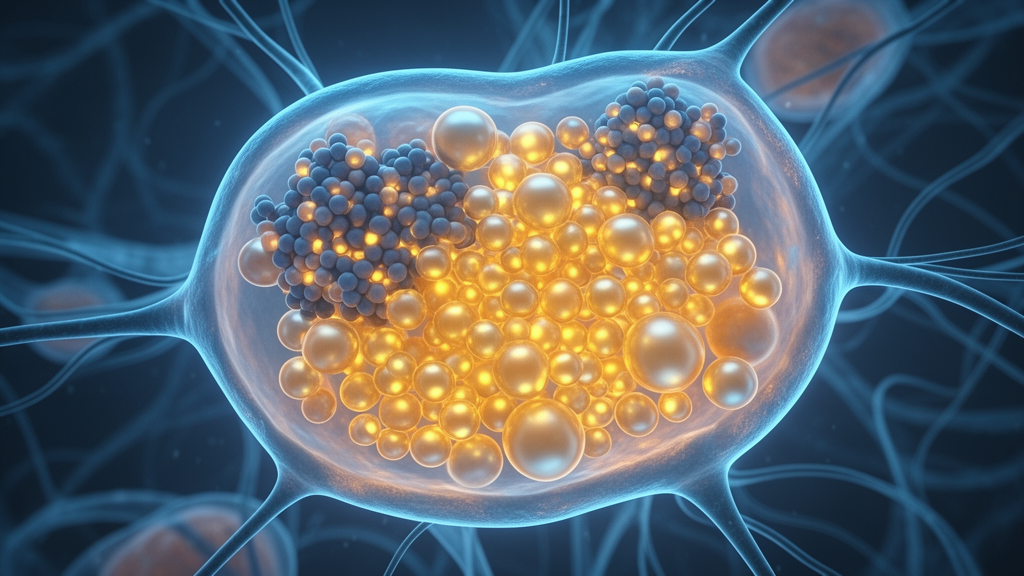
Metabolic dysfunction-associated fatty liver disease (MAFLD) and related metabolic conditions, such as obesity and type 2 diabetes, represent an escalating global health challenge that necessitates the identification of precise therapeutic targets. Elevated hepatic de novo lipogenesis (DNL) is recognized as a hallmark of this dysfunction, yet the complexity of the transcriptional and enzymatic components involved has historically made clinical intervention difficult. Researchers have now identified that the ubiquitin-specific protease 2 (Usp2) enzyme acts as a critical regulator of this process, providing new insight into the molecular mechanisms that drive lipid accumulation within the liver.
Using a multi-model comparative transcriptomic strategy, the study highlights that Usp2 is consistently upregulated in liver tissues and shows a strong correlation with the severity of hepatic steatosis. Functional assessments conducted both in vitro and in vivo confirmed that the presence and activity of Usp2 directly facilitate increased lipid accumulation. These findings suggest that the protein plays a functional role in promoting the metabolic changes that characterize the progression of fatty liver disease.
Mechanistically, the research characterizes a specific regulatory pathway involving the Usp2-G3bp2-β-catenin axis. Usp2 has been shown to interact directly with the RNA-binding protein G3bp2, stabilizing it through a process of K63-linked deubiquitination. This stabilization results in the activation of β-catenin signaling, which subsequently triggers the upregulation of essential lipogenic genes, including Fasn, Scd1, and Plin2. By maintaining the stability of these regulatory proteins, Usp2 effectively orchestrates the genetic environment required for increased de novo lipogenesis.
These results establish a previously unrecognized regulatory axis that drives hepatic lipogenesis and nominate Usp2 as a potentially viable therapeutic target for metabolic diseases. Because targeting core transcriptional and enzymatic components of lipogenesis has proven challenging in clinical settings, the identification of this specific protease pathway offers a potential alternative strategy for addressing the underlying drivers of metabolic dysfunction in the liver.
Methodologically, the study design separated correlational transcriptomic screening from causal functional testing across laboratory models. The comparative transcriptomic analysis identified consistent protease upregulation that correlated directly with steatosis severity across diverse model systems. To determine whether this association reflected active metabolic regulation, subsequent functional experiments confirmed that enzyme expression promotes hepatic lipid accumulation in both cell culture assays and living animal models.
Mechanistically, stabilizing the target protein activates downstream signaling to upregulate specific lipogenic factors. However, because these demonstrations remain restricted to laboratory cell and animal models, they do not establish human clinical outcomes.
Subject of Research: Molecular mechanisms of hepatic de novo lipogenesis in metabolic disease
Article Title: Hepatic Usp2 orchestrates de novo lipogenesis through G3bp2 stabilization and β-catenin activation
Article References: Wang, W., Wang, H., Liu, Y., Cui, S., Tang, C., Wang, M., Mu, C., Li, J., Ye, X., Liang, X., & Zhu, S. (2026). Hepatic Usp2 orchestrates de novo lipogenesis through G3bp2 stabilization and β-catenin activation. Cell Death Discovery. https://doi.org/10.1038/s41420-026-03333-2
Image Credits: AI Generated
DOI: 10.1038/s41420-026-03333-2
Keywords: Usp2, G3bp2, beta-catenin, hepatic steatosis, de novo lipogenesis, metabolic disease, MAFLD, lipid metabolism, deubiquitination, transcriptomic analysis, Fasn, Scd1, Plin2, liver health, metabolic regulation
News Source: Drew Townsend. (November 16, 2026). Hepatic Usp2 Promotes Lipid Accumulation Through G3bp2 Protein Stabilization. Scienmag.