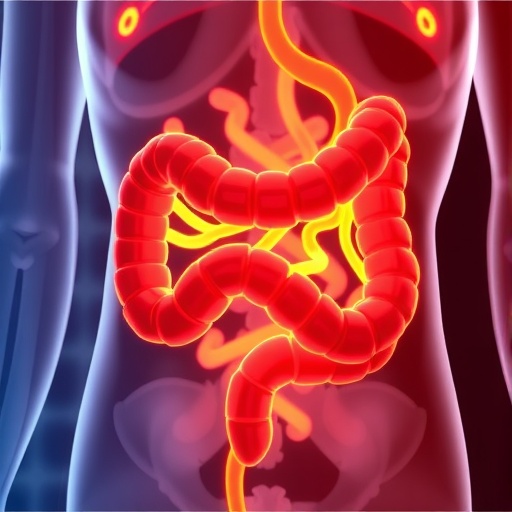
In the rapidly evolving landscape of biomedical research, the intricate connections between the gut microbiota and liver health have garnered significant attention. A groundbreaking study published in Nature Communications by Bao, Hang, Zeng, and colleagues now elucidates a critical molecular link that bridges gut microbial communities and the liver’s defense mechanisms against drug-induced injury. This pioneering work uncovers the role of hepatic SNHG9, a long non-coding RNA (lncRNA), as a vital mediator in this gut-liver axis, offering promising therapeutic insights for mitigating liver damage caused by pharmaceuticals.
Acetaminophen overdose and various medications are common culprits that precipitate drug-induced liver injury (DILI), a significant clinical issue responsible for acute liver failure worldwide. Despite extensive research, the molecular pathways mediating liver protection in the context of gut microbiota influence have remained elusive until now. The team delved into the genomic and microbiological interplay, revealing that SNHG9 functions as a crucial hepatic RNA entity modulated by gut-derived signals, which in turn orchestrates cellular responses to chemical insults.
Central to the study is the demonstration that SNHG9 expression is markedly induced in hepatocytes in response to alterations in gut microbiota composition. Detailed profiling using high-throughput RNA sequencing combined with bacterial 16S rRNA gene sequencing delineated shifts within the microbial ecosystem that correspond with SNHG9 modulation. Significantly, germ-free mice and antibiotic-treated models showed impaired upregulation of SNHG9, underscoring the microbiota’s pivotal role in this regulatory cascade.
Exploring mechanistic underpinnings, the researchers uncovered that SNHG9 interacts with key transcriptional regulators and signaling pathways involved in hepatocyte stress responses. Notably, SNHG9 modulates the nuclear factor erythroid 2–related factor 2 (NRF2) antioxidant pathway, facilitating enhanced cellular resilience against oxidative damage initiated by drugs. This molecular crosstalk reinforces the liver’s capacity to detoxify reactive metabolites, thereby preventing hepatocyte apoptosis and necrosis typically observed in DILI.
The study further employed state-of-the-art CRISPR-Cas9 gene editing to ablate SNHG9 expression in murine liver cells, which resulted in pronounced susceptibility to acetaminophen-induced hepatotoxicity. Conversely, overexpression of SNHG9 conferred significant cytoprotection, validating its functional importance. This bidirectional experimental design robustly establishes SNHG9 as a crucial genetic determinant in liver defense mechanisms.
Intriguingly, the gut microbiota influences SNHG9 expression via bacterial metabolites, particularly short-chain fatty acids (SCFAs) like butyrate. Metabolomic analyses revealed increased butyrate production correlated with SNHG9 induction, highlighting a metabolite-driven communication axis. These findings align with the emerging paradigm that microbial metabolites extend beyond nutritional roles, serving as potent epigenetic and transcriptomic modulators in distant organs such as the liver.
The translational implications of these insights are profound. By harnessing probiotic formulations or dietary interventions that bolster beneficial SCFA-producing bacteria, it may be feasible to enhance endogenous SNHG9 activity and thus augment liver resilience. Such strategies could revolutionize the management and prevention of DILI, reducing morbidity associated with prevalent pharmaceuticals.
Moreover, the identification of SNHG9 as a hepatic sentinel responsive to microbial cues propels the understanding of the gut-liver axis into a new era. This lncRNA represents a novel biomarker for liver health status and a potential therapeutic target for a spectrum of liver diseases beyond drug-induced injury, including non-alcoholic fatty liver disease and viral hepatitis.
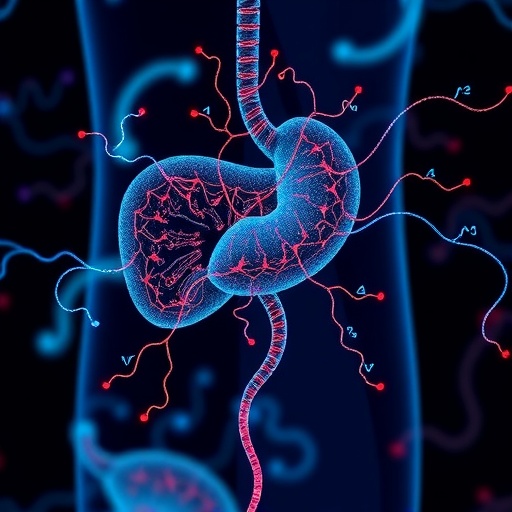
The study employed rigorous multi-omics approaches paired with sophisticated animal models to unravel this complex biological narrative. Through integrative bioinformatics and systems biology frameworks, the researchers mapped the dynamic signaling networks linking microbiota metabolism to host genomic responses, exemplifying cutting-edge methodology in functional genomics research.
Importantly, the work delineates a feedback loop whereby liver-derived factors modulate gut microbiota composition, creating a bidirectional dialogue that sustains homeostasis. Disruption of this axis, whether by antibiotics or pathogenic shifts in microbial populations, disrupts SNHG9 expression and predisposes to liver injury, emphasizing the delicate equilibrium maintained in health.
The authors also characterized the spatial and temporal patterns of SNHG9 expression, revealing it peaks during acute phases of liver stress and wanes upon recovery, mirroring clinical trajectories of DILI. This temporal specificity may inform timing strategies for therapeutic intervention or biomarker monitoring.
Complementing molecular analyses, histopathological evaluation demonstrated that SNHG9 overexpression significantly mitigated liver tissue necrosis and inflammatory infiltration post drug exposure. This protective histological phenotype underscores the functional consequence of SNHG9-mediated transcriptional regulation.
By decoding the molecular language of the gut microbiota-liver interface mediated by SNHG9, this research opens avenues for precision medicine approaches. Tailored modulation of the microbiome or lncRNA-targeted therapies could emerge as frontline strategies to safeguard liver function against diverse injurious stimuli.
In conclusion, the discovery of hepatic SNHG9 as a molecular linchpin in microbiota-driven liver protection against drug-induced injury represents a landmark advancement. This study not only illuminates fundamental biological processes but also charts a clear path toward innovative therapeutics aimed at one of medicine’s most pressing challenges. As research in this domain accelerates, patients worldwide stand to benefit from these translational breakthroughs that harness the symbiotic power of microbes and host genetics.
Subject of Research: Gut microbiota-mediated regulation of hepatic SNHG9 and its role in protecting against drug-induced liver injury.
Article Title: Hepatic SNHG9 links gut microbiota to liver protection in drug-induced liver injury.
Article References:
Bao, W., Hang, B., Zeng, D. et al. Hepatic SNHG9 links gut microbiota to liver protection in drug-induced liver injury. Nat Commun 17, 4415 (2026). https://doi.org/10.1038/s41467-026-73309-4
Image Credits: AI Generated
DOI: https://doi.org/10.1038/s41467-026-73309-4
Tags: acetaminophen overdose liver protectionbacterial 16S rRNA gene sequencing gut analysisdrug-induced liver injury pathwaysgut microbiota influence on liver healthgut-liver axis molecular mechanismshepatic SNHG9 functionlong non-coding RNA in liver defensemicrobiome-regulated hepatic gene expressionmicrobiota-mediated liver cellular responsesmolecular link between gut microbes and liverRNA sequencing in liver researchtherapeutic targets for liver injury