• HOME
  • NEWS
  • EXPLORE
    • CAREER
      • Companies
      • Jobs
    • EVENTS
    • iGEM
      • News
      • Team
    • PHOTOS
    • VIDEO
    • WIKI
  • BLOG
  • COMMUNITY
    • FACEBOOK
    • INSTAGRAM
    • TWITTER
Saturday, May 16, 2026
BIOENGINEER.ORG
No Result
View All Result
  • Login
  • HOME
  • NEWS
  • EXPLORE
    • CAREER
      • Companies
      • Jobs
        • Lecturer
        • PhD Studentship
        • Postdoc
        • Research Assistant
    • EVENTS
    • iGEM
      • News
      • Team
    • PHOTOS
    • VIDEO
    • WIKI
  • BLOG
  • COMMUNITY
    • FACEBOOK
    • INSTAGRAM
    • TWITTER
  • HOME
  • NEWS
  • EXPLORE
    • CAREER
      • Companies
      • Jobs
        • Lecturer
        • PhD Studentship
        • Postdoc
        • Research Assistant
    • EVENTS
    • iGEM
      • News
      • Team
    • PHOTOS
    • VIDEO
    • WIKI
  • BLOG
  • COMMUNITY
    • FACEBOOK
    • INSTAGRAM
    • TWITTER
No Result
View All Result
Bioengineer.org
No Result
View All Result
Home NEWS Science News Biology

Hardy corals make their moves to build new reefs from scratch

Bioengineer by Bioengineer
February 11, 2018
in Biology
Reading Time: 2 mins read
0
Share on FacebookShare on TwitterShare on LinkedinShare on RedditShare on Telegram
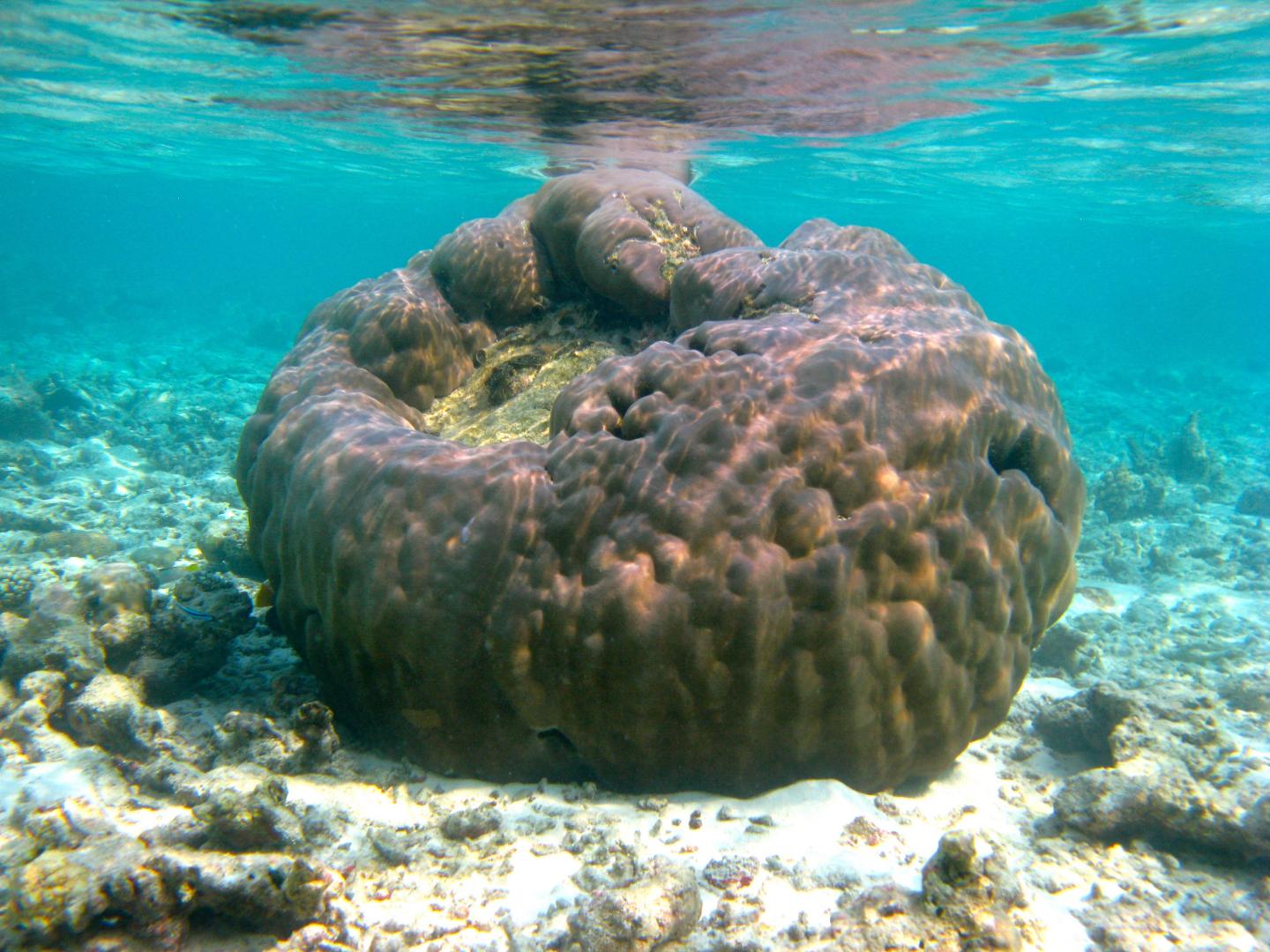
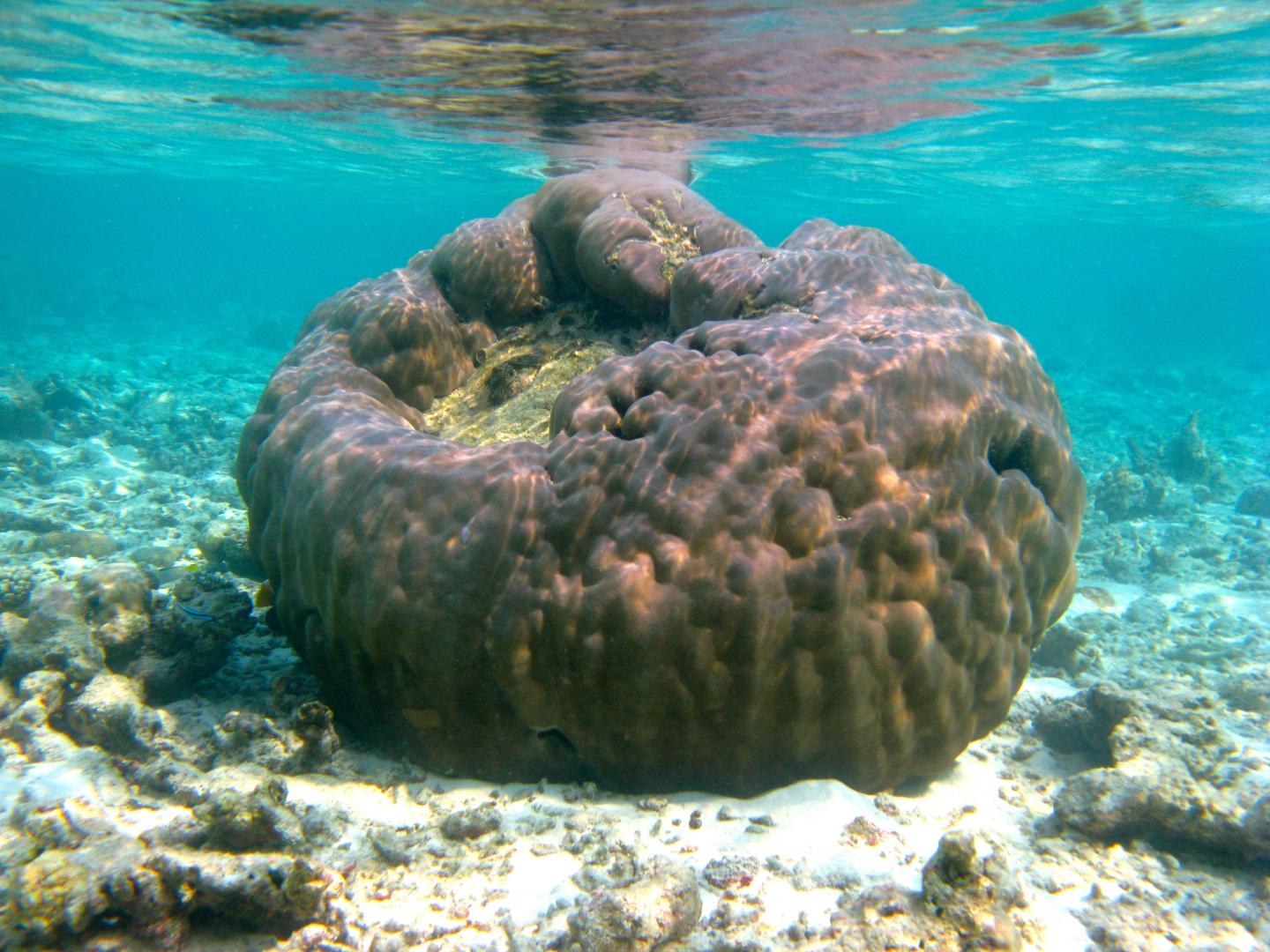
IMAGE

Credit: Sebastian Hennige

Resilient species of coral can move to inhospitable areas and lay the foundations for new reefs, a study shows.

Scientists have discovered that these tough, mobile corals can create their own stable habitats, which act as a base upon which other species can attach and build reefs.

These hardy corals – known as coralliths – grow on pebbles or fragments of dead reefs, and they can survive being buffeted by waves and ocean currents.

The findings suggest many existing coral habitats – particularly those in areas dominated by sand and rubble – may have been created by coralliths.

The ability of coralliths to establish themselves in harsh environments mean they could play a key role in efforts to conserve at risk habitats, the team says.

Scientists from the Universities of Edinburgh, Glasgow and Heriot-Watt University made the discovery while carrying out fieldwork on coralliths in the tropical waters of the Maldives.

They identified a variety of structures – from pea-sized balls to boulders several feet across – in places where corals would not otherwise be able to settle and survive.

Coralliths have previously been identified in the fossil record, and evidence suggests that they have played a role in reef formation since at least the last Ice Age, researchers say.

The study is published in the journal Scientific Reports. It was funded by the Natural Environment Research Council.

Dr Sebastian Hennige, of the University of Edinburgh's School of GeoSciences, said: "For years we assumed that coral reefs, and small patches of coral in sandy habitats, needed stable ground on which to build. Now we know that corals can engineer their own stable environment from nothing, and create habitats for all sorts of species in places that we thought were unsuitable for reef formation."

Dr Heidi Burdett, of Heriot-Watt University's Lyell Centre, said "This discovery makes us question many things we have taken for granted in coral ecology, such as how some reefs formed in the first place, and whether coralliths may play a role in reef restoration following disasters."

Dr Nick Kamenos, of the University of Glasgow, said: "Importantly, not all coral species can form coralliths. Corallith-forming species are robust and resilient to environmental change and physical damage – features that may give them an advantage in the future as climate change progresses. The ecological processes described by our hypothesis may therefore become even more prevalent in the future."

###

Media Contact

Corin Campbell
[email protected]
44-131-650-6382
@edinunimedia

http://www.ed.ac.uk

Share12Tweet8Share2ShareShareShare2

Related Posts

Single mother must adapt swiftly — the survival of her colony depends on it — Biology

Single mother must adapt swiftly — the survival of her colony depends on it

May 15, 2026
Why Are Nearly Everyone Right-Handed? It Might Be Linked to How We Learned to Walk — Biology

Why Are Nearly Everyone Right-Handed? It Might Be Linked to How We Learned to Walk

May 15, 2026

Excessive Neuronal Activity Initiates Severe Autoimmune Brain Disorder

May 15, 2026

Precision Anti-Aging Strategies Focus on Eliminating Harmful Senescent Cells While Preserving Beneficial Ones

May 15, 2026
Please login to join discussion

POPULAR NEWS

  • Research Indicates Potential Connection Between Prenatal Medication Exposure and Elevated Autism Risk

    843 shares
    Share 337 Tweet 211
  • New Study Reveals Plants Can Detect the Sound of Rain

    730 shares
    Share 291 Tweet 182
  • Salmonella Haem Blocks Macrophages, Boosts Infection

    62 shares
    Share 25 Tweet 16
  • Breastmilk Balances E. coli and Beneficial Bacteria in Infant Gut Microbiomes

    58 shares
    Share 23 Tweet 15

About

We bring you the latest biotechnology news from best research centers and universities around the world. Check our website.

Follow us

Recent News

Perinatal and Early Childhood Factors in PFAPA Persistence

New Actinomycin Derivatives Target Malaria More Selectively

Mobile App Enhances Exercise for Older Adults’ Cognition

Subscribe to Blog via Email

Enter your email address to subscribe to this blog and receive notifications of new posts by email.

Join 82 other subscribers
  • Contact Us

Bioengineer.org © Copyright 2023 All Rights Reserved.

Welcome Back!

Login to your account below

Forgotten Password?

Retrieve your password

Please enter your username or email address to reset your password.

Log In
No Result
View All Result
  • Homepages
    • Home Page 1
    • Home Page 2
  • News
  • National
  • Business
  • Health
  • Lifestyle
  • Science

Bioengineer.org © Copyright 2023 All Rights Reserved.