

• HOME
  • NEWS
  • EXPLORE
    • CAREER
      • Companies
      • Jobs
    • EVENTS
    • iGEM
      • News
      • Team
    • PHOTOS
    • VIDEO
    • WIKI
  • BLOG
  • COMMUNITY
    • FACEBOOK
    • INSTAGRAM
    • TWITTER
Monday, January 19, 2026
BIOENGINEER.ORG
No Result
View All Result
  • Login
  • HOME
  • NEWS
  • EXPLORE
    • CAREER
      • Companies
      • Jobs
        • Lecturer
        • PhD Studentship
        • Postdoc
        • Research Assistant
    • EVENTS
    • iGEM
      • News
      • Team
    • PHOTOS
    • VIDEO
    • WIKI
  • BLOG
  • COMMUNITY
    • FACEBOOK
    • INSTAGRAM
    • TWITTER
  • HOME
  • NEWS
  • EXPLORE
    • CAREER
      • Companies
      • Jobs
        • Lecturer
        • PhD Studentship
        • Postdoc
        • Research Assistant
    • EVENTS
    • iGEM
      • News
      • Team
    • PHOTOS
    • VIDEO
    • WIKI
  • BLOG
  • COMMUNITY
    • FACEBOOK
    • INSTAGRAM
    • TWITTER
No Result
View All Result
Bioengineer.org
No Result
View All Result
Home NEWS Science News Health

Half of young adults with covid-19 have persistent symptoms 6 months after

Bioengineer by Bioengineer
September 6, 2025
in Health
Reading Time: 2 mins read
0
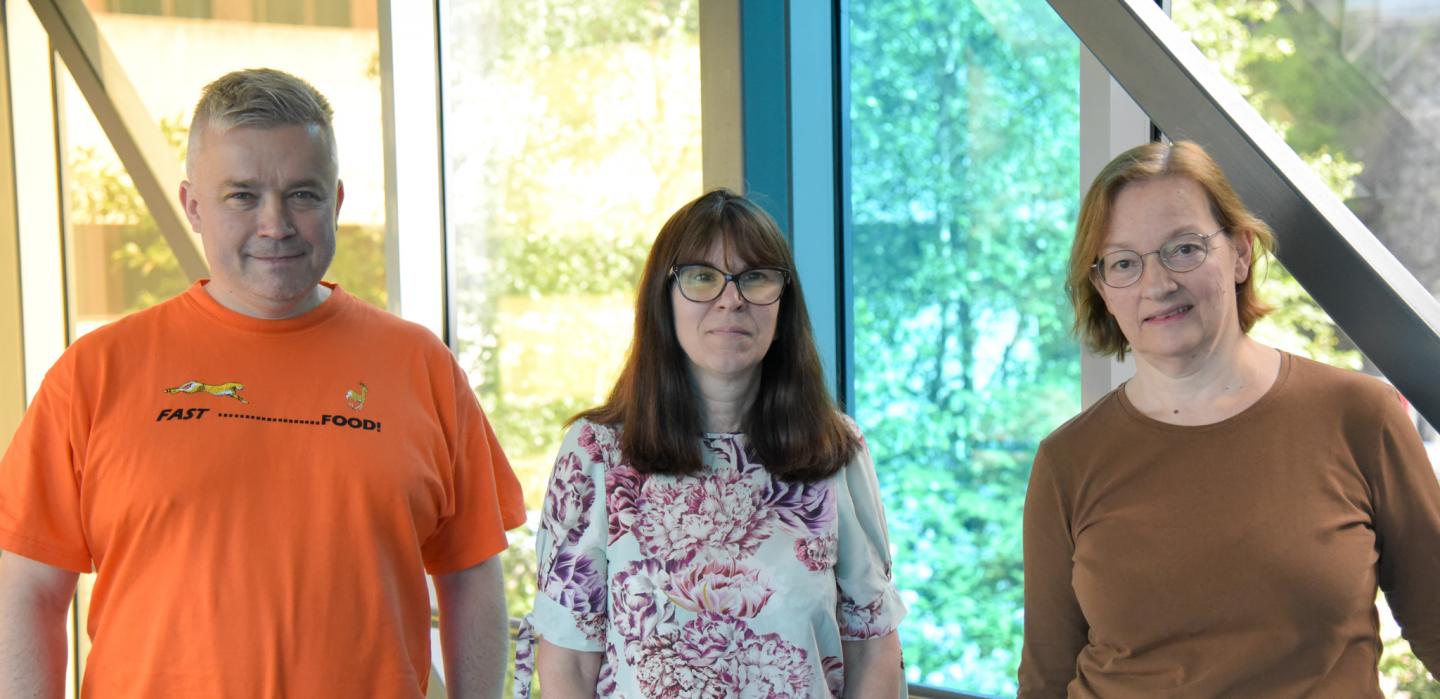
IMAGE
Share on FacebookShare on TwitterShare on LinkedinShare on RedditShare on Telegram

A paper published in the prestigious journal Nature Medicine on long-COVID, describes persistent symptoms six months after acute COVID-19, even in young home isolated people.

The study from the Bergen COVID-19 Research Group followed infected patients during the first pandemic wave in Bergen Norway.

“The main novel finding is that more than fifty per cent of young adults up to 30 years old, isolated at home, still have persistent symptoms six months after mild to moderate disease”, the leader of the group, Professor Nina Langeland explains.

The most common symptoms were loss of smell and/or taste, fatigue, shortness of breath, impaired concentration, and memory problems.

“There was a significant correlation between high antibody levels and symptoms in home isolated patients, other risk factors for symptoms were asthma or other chronic lung disease”, says Professor Rebecca Cox, Head of the Influenza Centre at University of Bergen and Haukeland University Hospital and co-leader of the research group.

Impaired memory and concentration difficulties

In non-hospitalized COVID-19-patients, thirty per cent experienced fatigue which was the most common symptom. Children under the age of 16 years had fewer long-term symptoms than adults, but Associate Professor Bjørn Blomberg, and first author of the article, underlines:

“The cognitive symptoms of impaired memory and concentration difficulties are particularly worrying for young people at school or university and highlights the importance of vaccination to prevent the long-term health implications of COVID-19”.

###

Media Contact
Nina Langeland
[email protected]

Original Source

https://www.nature.com/articles/s41591-021-01433-3

Related Journal Article

http://dx.doi.org/10.1038/s41591-021-01433-3

Tags: Infectious/Emerging DiseasesMedicine/Health
Share12Tweet8Share2ShareShareShare2

Related Posts

Restoring Mitochondrial Dynamics to Treat Ovarian Insufficiency

January 19, 2026

Radiogenomics Reveals Heterogeneous Immune Response in Liver Cancer

January 19, 2026

Cognitive Impact on Balance in Active Older Women

January 19, 2026

Balancing Costs and Quality in DRG Payment Model

January 19, 2026
Please login to join discussion

POPULAR NEWS

  • Enhancing Spiritual Care Education in Nursing Programs

    155 shares
    Share 62 Tweet 39
  • PTSD, Depression, Anxiety in Childhood Cancer Survivors, Parents

    148 shares
    Share 59 Tweet 37
  • Robotic Ureteral Reconstruction: A Novel Approach

    78 shares
    Share 31 Tweet 20
  • Study Reveals Lipid Accumulation in ME/CFS Cells

    54 shares
    Share 22 Tweet 14

About

We bring you the latest biotechnology news from best research centers and universities around the world. Check our website.

Follow us

Recent News

BCOR Mutations Reveal Target for AML Treatment

Restoring Mitochondrial Dynamics to Treat Ovarian Insufficiency

LRRC8A Fortifies Heart Against Pressure-Induced Hypertrophy

Subscribe to Blog via Email

Success! An email was just sent to confirm your subscription. Please find the email now and click 'Confirm' to start subscribing.

Join 71 other subscribers
  • Contact Us

Bioengineer.org © Copyright 2023 All Rights Reserved.

Welcome Back!

Login to your account below

Forgotten Password?

Retrieve your password

Please enter your username or email address to reset your password.

Log In
No Result
View All Result
  • Homepages
    • Home Page 1
    • Home Page 2
  • News
  • National
  • Business
  • Health
  • Lifestyle
  • Science

Bioengineer.org © Copyright 2023 All Rights Reserved.


