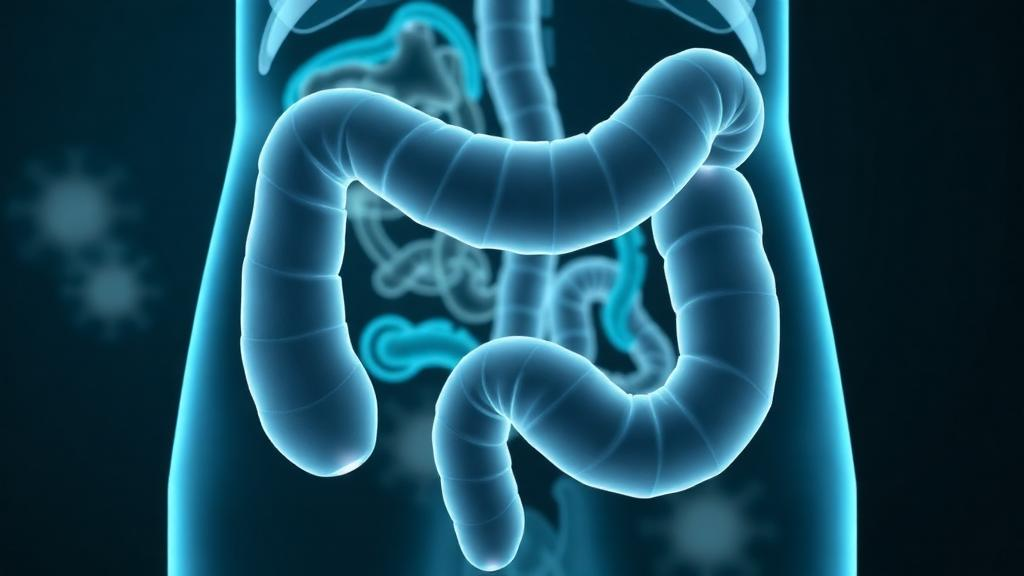
Colorectal cancer remains one of the most common and lethal malignancies worldwide, and decades of research have pointed to the trillions of microbes lining the human gut as central players in its development. Yet most of that attention has landed on bacteria, leaving an enormous component of the intestinal ecosystem largely unexamined: the viruses that infect those bacteria. A new review published in the Journal of Translational Medicine argues that this viral majority, dominated by bacteriophages, may be far more than background noise in the microbiome. According to the authors, led by Yimin Li and Weidong Liu with corresponding authors Suidong Ouyang, Qi Zhao, and Zhihua Liu, bacteriophages could function as an ecological amplifier that translates environmental disturbances into bacterial reprogramming and, ultimately, tumor-promoting conditions in the colon.
The review moves deliberately beyond the bacteria-centric paradigm that has dominated microbiome science. The gut virome, the collective community of viruses inhabiting the intestinal tract, consists overwhelmingly of bacteriophages, viruses that infect and replicate within bacterial cells. These entities exist in two fundamental states. In the lysogenic cycle, a phage integrates its genome into the host bacterium’s chromosome and replicates quietly along with it, sometimes for generations. In the lytic cycle, the phage hijacks the host’s machinery, replicates explosively, and ruptures the cell. The authors propose that environmental stressors such as diet, inflammation, antibiotics, and other disturbances can destabilize this balance, pushing phages from a stable lysogenic existence into a dysbiotic lytic state, with cascading consequences for the entire bacterial community.
The technical heart of the review lies in its systematic integration of five interconnected mechanisms: viral ecological imbalance, lysis-lysogeny switching, horizontal gene transfer, metabolic reprogramming, and host immune regulation. Each of these represents a route by which phages could shape the carcinogenic trajectory of the gut. When environmental pressure disrupts virome homeostasis, the resulting shift in phage lifestyle can reshape bacterial transcription programs, the sets of genes that bacteria actively express. This reshaping can alter metabolic functions of the community, disrupt the intricate networks of microbial interaction that normally maintain stability, and modulate how the host immune system perceives and responds to its microbial residents.
Horizontal gene transfer deserves particular attention in this framework. Bacteriophages are among the most efficient vectors for moving genetic material between bacteria, a process known as transduction. Through this mechanism, phages can shuttle genes encoding toxins, virulence factors, and antibiotic resistance genes between bacterial strains. In the context of colorectal cancer, the review highlights the enterotoxigenic Bacteroides fragilis, a bacterium associated with colorectal carcinogenesis whose toxin-producing capability can spread through phage-mediated transfer. If environmental disturbances increase phage activity, the rate of such genetic exchange could rise, potentially disseminating oncogenic traits through the bacterial community more rapidly than mutation alone would allow.
Metabolic reprogramming forms another pillar of the proposed mechanism. Bacterial metabolism in the gut produces a wide spectrum of metabolites, some protective and some harmful. The review describes how phage-driven shifts in bacterial populations could favor the production of genotoxic metabolites, compounds that directly damage the DNA of the epithelial cells lining the colon. At the same time, the disruption of microbial interaction networks and the generation of reactive oxygen species could sustain chronic inflammation, a well-established driver of tumor initiation and progression. Combined with barrier dysfunction, the weakening of the intestinal lining that normally separates microbes from underlying tissue, these processes converge to establish what the authors describe as a tumor-promoting niche.
The immune dimension of this framework is equally consequential. Bacteriophages and their bacterial hosts present molecular patterns that the host immune system recognizes through receptors such as Toll-like receptor 9, which detects viral DNA rich in unmethylated CpG motifs. Phage activity can therefore tune inflammatory signaling in the gut mucosa. The review also connects phage-bacteria dynamics to the aryl hydrocarbon receptor, a sensor influenced by microbial metabolites that participates in maintaining immune balance at the intestinal barrier. When phage communities shift, the balance of these signals can tilt toward chronic, low-grade inflammation, creating conditions in which damaged epithelial cells are less likely to be cleared and more likely to accumulate the mutations that seed cancer.
Importantly, the review does not rest on theory alone. The authors point to recent human studies that have observed an enrichment of lytic bacteriophages during the stage of colorectal adenomas, the precancerous polyps from which many colorectal cancers arise. This observation suggests that shifts in the virome may occur early in the disease trajectory, before invasive malignancy develops. If confirmed, lytic phage signatures could serve as candidate biomarkers for the earliest events in colorectal carcinogenesis, offering a window for intervention that current screening approaches may miss. The virome, in this view, presents a novel landscape for early warning, risk stratification, and ecological intervention in colorectal cancer.
The conceptual shift proposed by the authors is significant for how scientists think about the microbiome and cancer. Rather than treating bacteriophages as passive companions riding along with bacterial communities, the review positions them as key mediators between environmental factors and colorectal cancer. In this model, an environmental insult such as a dietary change or antibiotic exposure does not act on bacteria directly in isolation; instead, it first destabilizes the viral ecology, and the phages then amplify and transmit that disturbance downward into the bacterial world, reprogramming bacterial behavior in ways that favor carcinogenesis. This multi-level amplification helps explain how diffuse environmental exposures might be converted into concrete, tumor-promoting changes within the gut.
The authors are careful to frame their conclusions as a synthesis of existing evidence rather than a definitive causal demonstration. The field of virome research remains technically challenging, as phages are harder to catalog and quantify than bacteria, and longitudinal data tracking virome changes in individual patients over time are still limited. The review explicitly calls for future studies that integrate longitudinal human cohorts, functional validation of the proposed mechanisms, and the development of safe delivery platforms. Such work would be needed to advance virome-targeted strategies from concept to clinic, whether those strategies involve monitoring phage signatures for early detection, modulating phage communities to prevent dysbiosis, or engineering phages as therapeutic tools.
Nevertheless, the implications of this ecological framework extend well beyond colorectal cancer. If bacteriophages indeed act as ecological amplifiers linking environment to bacterial function, the same logic could apply to other cancers and chronic diseases in which the microbiome plays a role, from inflammatory bowel disease to metabolic syndrome. The review, published open access in the Journal of Translational Medicine and supported by funding from the National Natural Science Foundation of China and several regional Chinese research foundations, adds momentum to a growing recognition that the virome is not a footnote to the microbiome but a dynamic force in its own right. For a disease as prevalent and preventable as colorectal cancer, understanding the viral architects of the gut ecosystem could ultimately reshape how risk is assessed, how early disease is detected, and how the microbial environment itself is therapeutically managed.
Subject of Research: The role of bacteriophages in the gut virome as ecological drivers of bacterial carcinogenesis in colorectal cancer
Article Title: Bacteriophages as an ecological driver of bacterial carcinogenesis in colorectal cancer
Article References: Li, Y., Liu, W., Tian, L., Deng, L., Li, Y., Zhang, S., Chen, L., Ouyang, S., Zhao, Q., & Liu, Z. (2026). Bacteriophages as an ecological driver of bacterial carcinogenesis in colorectal cancer. Journal of Translational Medicine. https://doi.org/10.1186/s12967-026-09043-8
Image Credits: AI Generated
DOI: 10.1186/s12967-026-09043-8
Keywords: colorectal cancer, bacteriophages, gut virome, microbiome, dysbiosis, lysogenic cycle, lytic cycle, horizontal gene transfer, metabolic reprogramming, tumor microenvironment, biomarkers, microbial ecology
News Source: Nathaniel Bowman. (October 4, 2026). Gut Viruses May Act as Ecological Amplifiers of Colorectal Cancer. Scienmag.