Probiotics improve bowel function in people with Parkinson’s disease, but none of the gut microbiota-targeted therapies tested so far can be shown to improve the disease’s hallmark motor symptoms, according to a systematic review and network meta-analysis published in Frontiers in Microbiology. The analysis pooled 19 randomized controlled trials involving 1,156 participants and compared five treatment options: fecal microbiota transplantation (FMT), probiotics, synbiotics, routine care and placebo. Probiotics increased spontaneous bowel movement frequency compared with placebo, with a mean difference of 1.93 (95% confidence interval 0.23 to 3.64) and a SUCRA ranking of 88.3%.
When the researchers restricted the analysis to trials in which treatments were given by mouth, the findings held up. Oral probiotics increased spontaneous bowel movement frequency with a mean difference of 2.01 (95% CI 0.64 to 3.39), and oral synbiotics — combinations of probiotics and prebiotic substrates — also produced a significant improvement, with a mean difference of 1.23 (95% CI 0.01 to 2.45). Confidence in the oral probiotic finding was rated moderate, while evidence for motor function and quality of life was rated low to very low.
The picture for motor function was far less encouraging. Using the Movement Disorder Society-sponsored revision of the Unified Parkinson’s Disease Rating Scale, part III (MDS-UPDRS III), which measures motor impairment such as tremor, rigidity and bradykinesia, no active treatment significantly outperformed placebo. Synbiotics and FMT did receive higher SUCRA rankings than probiotics on this outcome, suggesting they may look better in a statistical ranking sense, but the authors explicitly caution that these rankings should be considered exploratory rather than evidence of real clinical benefit.
Rankings built on sparse or heterogeneous evidence can shift dramatically when new trials are added, which is why the researchers paired their rankings with a formal certainty assessment using the CINeMA framework, alongside risk-of-bias evaluation with the Cochrane RoB 2 tool. The certainty grades tell much of the story: only oral probiotics for bowel movement frequency reached moderate certainty, while the estimates for motor function and quality of life carry enough uncertainty that the true effects could be substantially different from the point estimates, or even absent.
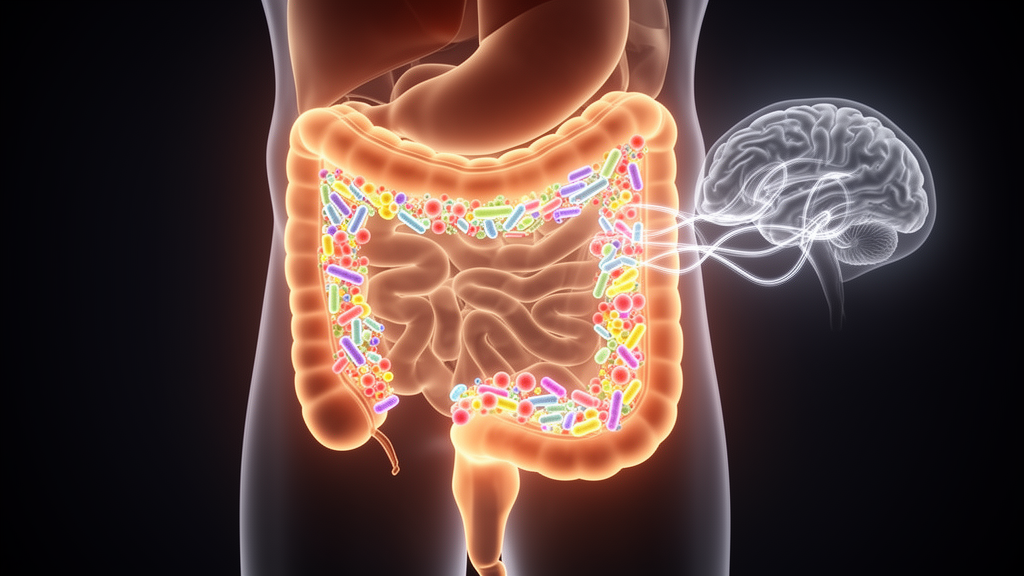
For a therapy area where enthusiasm often runs ahead of data, the analysis provides a sobering calibration: a genuine, moderately confident benefit for constipation, and little else that can yet be trusted. The trials in the review are grounded in the concept of the microbiota-gut-brain axis, the framework through which gut dysbiosis has been proposed to contribute to Parkinson’s disease, yet in this analysis no microbiota-targeted therapy could be shown to improve motor outcomes beyond placebo.
The authors’ conclusion is measured: oral probiotics improved spontaneous bowel movement frequency in patients with Parkinson’s disease, while claims about motor benefits from any microbiota-targeted therapy remain unsupported by the current evidence. They call for larger head-to-head randomized trials that directly compare FMT, probiotics and synbiotics, with motor function and quality of life as adequately powered endpoints, before firmer claims can be made about these treatments’ broader effects.
Subject of Research: Comparative efficacy of gut microbiota-targeted therapies for motor and non-motor symptoms in Parkinson's disease
Article Title: Comparative efficacy of gut microbiota-targeted therapies for motor and non-motor symptoms in Parkinson's disease: a systematic review and network meta-analysis
Article References: Yang, X., Li, Y., Hu, Q., Pan, X., Hong, J., & Li, L. (2026). Comparative efficacy of gut microbiota-targeted therapies for motor and non-motor symptoms in Parkinson's disease: a systematic review and network meta-analysis. Frontiers in Microbiology, 17, Article 1907410. https://doi.org/10.3389/fmicb.2026.1907410
Image Credits: AI Generated
DOI: 10.3389/fmicb.2026.1907410
Keywords: Parkinson's disease, gut microbiota, probiotics, synbiotics, fecal microbiota transplantation, network meta-analysis, microbiota-gut-brain axis, constipation, randomized controlled trials, evidence certainty, Comparative, efficacy
News Source: Cassandra Pierce. (October 26, 2026). Gut Microbiota Therapies in Parkinson’s Disease: Probiotics Ease Constipation, Motor Benefits Remain Unproven. Scienmag.