• HOME
  • NEWS
  • EXPLORE
    • CAREER
      • Companies
      • Jobs
    • EVENTS
    • iGEM
      • News
      • Team
    • PHOTOS
    • VIDEO
    • WIKI
  • BLOG
  • COMMUNITY
    • FACEBOOK
    • INSTAGRAM
    • TWITTER
Tuesday, October 27, 2026
BIOENGINEER.ORG
No Result
View All Result
  • Login
  • HOME
  • NEWS
  • EXPLORE
    • CAREER
      • Companies
      • Jobs
        • Lecturer
        • PhD Studentship
        • Postdoc
        • Research Assistant
    • EVENTS
    • iGEM
      • News
      • Team
    • PHOTOS
    • VIDEO
    • WIKI
  • BLOG
  • COMMUNITY
    • FACEBOOK
    • INSTAGRAM
    • TWITTER
No Result
View All Result
Bioengineer.org
No Result
View All Result
Home NEWS Science News Health

Gut Microbiome Changes With Aging May Drive Chronic Disease, Review Finds

by
October 27, 2026
in Health
Reading Time: 2 mins read
0
Gut Microbiome Changes With Aging May Drive Chronic Disease, Review Finds

Gut Microbiome Changes With Aging May Drive Chronic Disease, Review Finds

Share on FacebookShare on TwitterShare on LinkedinShare on RedditShare on Telegram

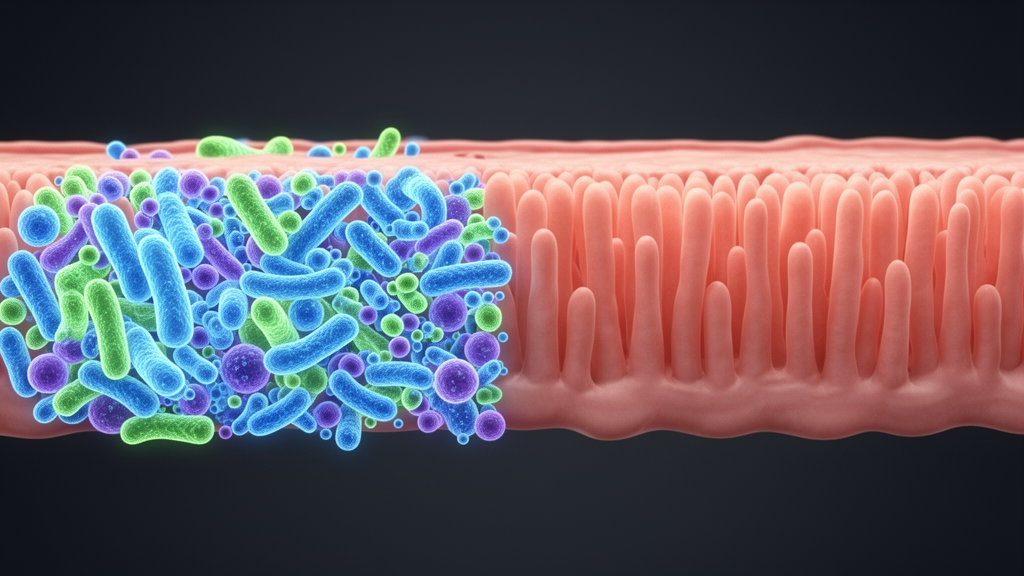
Aging reshapes the gut microbiome in ways that may fuel chronic disease, according to a review published in Frontiers in Nutrition. The human gut hosts a dense microbial community that helps maintain metabolic, immune, and intestinal balance through a symbiotic relationship with the host. As people age, this community undergoes characteristic changes: microbial diversity declines, and beneficial microbes that produce useful metabolites diminish. The review links these shifts to impaired intestinal barrier function and enhanced chronic low-grade inflammation, a process known as inflammaging.

The review synthesizes evidence from both human and animal research on how aging-related microbiome changes interact with age-associated conditions, including frailty and sarcopenia, cardiovascular problems, type 2 diabetes, obesity, osteoporosis, and neurodegenerative disorders. Evidence from human and preclinical studies suggests that these microbial alterations facilitate immune dysregulation, metabolic dysfunction, and the progression of various chronic diseases. The authors emphasize that these are associations and proposed mechanisms, not proven causal pathways.

One striking exception is the very old. Centenarians possess distinctive microbial signatures rich in beneficial metabolites that could promote healthy aging and prolonged life, the review reports. Studying these exceptional longevity profiles may offer clues about which microbial features support resilience in late life, although the review does not establish that these signatures cause extended lifespan.

The review also evaluates microbiome-targeted interventions, including dietary approaches, probiotics, prebiotics, synbiotics, fecal microbiota transplants, caloric restriction, intermittent fasting, and pharmaceutical agents. According to the authors, such interventions have demonstrated promise in enhancing gut microbial diversity and host wellbeing. However, they caution that clinical effectiveness needs additional validation before these strategies can be considered established therapies for healthy aging.

The authors conclude that the gut microbiome is a potential focus for supporting healthy aging and warding off age-related illnesses, but they stress a major caveat: significant inter-individual variability in microbiome composition means that one-size-fits-all approaches are unlikely to work. They call for personalized microbiome-based strategies, validated through extensive longitudinal studies and properly structured randomized controlled trials to demonstrate causality and verify long-term effectiveness. Until such trials are completed, the review positions microbiome science as a promising but still unproven avenue for extending healthspan.

Subject of Research: How gut microbiome changes with aging relate to age-associated disorders and microbiome-targeted interventions for healthy aging

Article Title: Gut microbiome and aging-related disorders: mechanistic insights and emerging microbiome-targeted therapies for healthy aging

Article References: Islam, M. M., Yang, G., & Kang, K. S. (2026). Gut microbiome and aging-related disorders: mechanistic insights and emerging microbiome-targeted therapies for healthy aging. Frontiers in Nutrition, 13, Article 1839461. https://doi.org/10.3389/fnut.2026.1839461

Image Credits: AI Generated

DOI: 10.3389/fnut.2026.1839461

Keywords: gut microbiome, aging, inflammaging, centenarians, probiotics, prebiotics, fecal microbiota transplant, caloric restriction, intermittent fasting, frailty, sarcopenia, healthy aging

News Source: Beatrice Stafford. (October 27, 2026). Gut Microbiome Changes With Aging May Drive Chronic Disease, Review Finds. Scienmag.


Tags: AgingCaloric Restrictioncentenariansfecal microbiota transplantFrailtyGut microbiomeHealthy aginginflammagingIntermittent fastingprebioticsprobioticssarcopenia
Share12Tweet7Share2ShareShareShare1

Related Posts

Doctors Tame a Teenager's Aggressive Pituitary Tumor With Layered Therapy

Doctors Tame a Teenager’s Aggressive Pituitary Tumor With Layered Therapy

October 27, 2026
Psychiatric comorbidities linked to self-harm and suicide risk in seizure-like disorder study

Psychiatric comorbidities linked to self-harm and suicide risk in seizure-like disorder study

October 27, 2026

Cancer burden in South Korea falls unevenly across income levels and age groups

October 27, 2026

Research report: Hericium erinaceus polysaccharide ameliorates spatial working memory impairment and intestinal barrier dysfunction in high-fat high-sucrose diet-fed mic

October 27, 2026

POPULAR NEWS

  • Classroom redesigns, active breaks, and active lessons cut children's sitting time, review finds

    Classroom redesigns, active breaks, and active lessons cut children’s sitting time, review finds

    29 shares
    Share 12 Tweet 7
  • Can Genes and Gut Microbes Predict Who Responds to Semaglutide for Liver Disease?

    29 shares
    Share 12 Tweet 7
  • Italy’s Oldest National Park Opens Decades of Alpine Vegetation Data to the World

    29 shares
    Share 12 Tweet 7
  • Injectable aripiprazole linked to fewer hospitalizations in bipolar disorder

    29 shares
    Share 12 Tweet 7

About

We bring you the latest biotechnology news from best research centers and universities around the world. Check our website.

Follow us

Recent News

Doctors Tame a Teenager’s Aggressive Pituitary Tumor With Layered Therapy

Psychiatric comorbidities linked to self-harm and suicide risk in seizure-like disorder study

Cancer burden in South Korea falls unevenly across income levels and age groups

Subscribe to Blog via Email

Enter your email address to subscribe to this blog and receive notifications of new posts by email.

Join 85 other subscribers
  • Contact Us

Bioengineer.org © Copyright 2023 All Rights Reserved.

Welcome Back!

Login to your account below

Forgotten Password?

Retrieve your password

Please enter your username or email address to reset your password.

Log In
No Result
View All Result
  • Homepages
    • Home Page 1
    • Home Page 2
  • News
  • National
  • Business
  • Health
  • Lifestyle
  • Science

Bioengineer.org © Copyright 2023 All Rights Reserved.