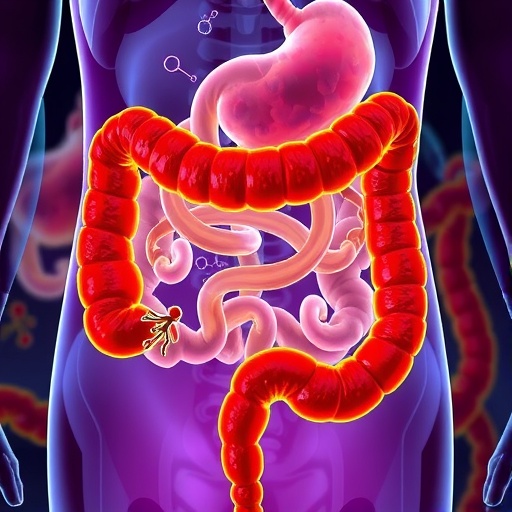
Recent scientific developments have shed light on the intimate relationship between our gut microbiome and cancer immunity, with researchers increasingly recognizing the profound influence of gut microbial metabolites on the body’s immune responses. In groundbreaking research published in “Molecular Cancer,” Liu et al. explore this critical intersection, opening new pathways for potential therapeutic interventions. Their research presents a comprehensive analysis of how gut microbiota can modulate cancer-related immune responses, suggesting that microbial metabolites might serve as key players in this sophisticated biological dialogue.
The gut microbiome is home to trillions of microorganisms, including bacteria, viruses, fungi, and archaea that have evolved alongside humans. This complex community not only aids in digestion but also actively participates in the regulation of the immune system. The emerging field of immuno-oncology has started to take notice of how these microbial entities can influence tumor growth, treatment outcomes, and overall patient health. Given that an estimated one-third of cancer patients can derive benefit from immunotherapy, understanding the mediators of this process is paramount.
Liu and his colleagues conducted a detailed examination of various microbial metabolites produced by gut bacteria, focusing on metabolites such as short-chain fatty acids (SCFAs), bile acids, and amino acid derivatives. These small molecules have been observed to engage with immune cells, potentially altering their activity in ways that either promote or inhibit tumor development. SCFAs, for instance, are known to have anti-inflammatory properties that could modulate the tumor microenvironment, rendering it less conducive to cancer progression.
Additionally, the study highlights the role of microbiota-derived metabolites in shaping T cell responses. T cells are crucial components of the adaptive immune system, and their activation or inhibition can have dramatic effects on tumor growth. Liu et al. present data suggesting that certain gut metabolites enhance the efficacy of T cells against cancer cells, which may hold implications for combinatorial therapies involving dietary modulation alongside standard treatments.
Through extensive experimentation involving germ-free mice and various gnotobiotic models, the researchers unequivocally demonstrate that the presence of specific gut microbes can significantly influence the outcomes of cancer therapies. By supplementing these organisms with particular metabolites, they observed changes in tumor size, immune cell infiltration, and the overall tumor microenvironment—all crucial factors influencing cancer prognosis. This points to a novel strategy in cancer treatment that emphasizes the importance of the gut microbiome.
Liu et al.’s findings challenge the long-standing views of cancer as an isolated event occurring solely within tumor cells. Instead, their research reinforces the idea that systemic factors, including those driven by gut microbiota, are essential players in determining cancer progression and immune function. As scientists continue to unravel these complex synergistic interactions, a new frontier in cancer therapy emerges, centered around harnessing the gut microbiome’s potential.
Moreover, the implications of these discoveries extend beyond cancer. Understanding how gut microbial metabolites influence systemic immune responses could lead to therapeutic strategies in autoimmune diseases, allergies, and other inflammatory conditions. The versatility of these microbial metabolites underscores their potential as universal modulators of immune functions, suggesting that gut health is a critical component in a wide array of health outcomes.
In light of this evolving understanding, researchers urge further investigations into the precise mechanisms through which these microbial metabolites exert their effects. Distinguishing the metabolic pathways responsible for their immunomodulatory properties may reveal additional therapeutic targets and foster the development of next-generation interventions in oncology.
For clinicians and healthcare professionals, these findings necessitate a reevaluation of dietary recommendations for cancer patients. For instance, dietary prebiotics and probiotics could serve as adjuvants to conventional cancer treatments, enhancing immune responses or counteracting therapy-related ailments. As such, focusing on restoring or maintaining a healthy gut microbiome could greatly benefit patient outcomes.
As the research progresses, the future of immuno-oncology may lie in personalized medicine that incorporates gut microbiome assessments into the treatment planning process. By evaluating a patient’s microbial landscape, clinicians could tailor therapies that are more effective and potentially minimize adverse effects. This approach could also allocate resources more effectively and improve overall patient care.
In conclusion, Liu et al.’s pivotal study not only deepens our understanding of the gut microbiome’s role in cancer but also heralds a new paradigm in treatment strategies. By tapping into the potential of microbial metabolites, we may soon unlock novel, effective methods to combat cancer, thus elevating the quality of life for patients facing this formidable disease.
As research continues to evolve in this rapidly expanding field, it is imperative to maintain the momentum and cultivate collaborations across disciplines. Advances in genomics, microbiology, and oncology can pave the way for innovative and holistic approaches to fighting cancer, placing us on the brink of a metabolic revolution in cancer immunotherapy.
The journey is just beginning; as we decode the intricate relationship between the gut and cancer, there remains infinite potential for discovering how to optimize our microbiome not only for disease prevention but as a transformative tool in cancer treatment.
Subject of Research: The impact of gut microbial metabolites on cancer immunomodulation.
Article Title: Gut microbial metabolites in cancer immunomodulation.
Article References:
Liu, H., Xiong, X., Zhu, W. et al. Gut microbial metabolites in cancer immunomodulation.
Mol Cancer 25, 8 (2026). https://doi.org/10.1186/s12943-025-02521-5
Image Credits: AI Generated
DOI: https://doi.org/10.1186/s12943-025-02521-5
Keywords: gut microbiome, cancer immunology, microbial metabolites, short-chain fatty acids, immune modulation, personalized medicine.
Tags: cancer-related immune response modulationgut microbiome and cancer immunitygut microbiota and host interactionsimmuno-oncology advancementsimmunotherapy and gut healthmetabolites and immune system regulationmicrobial influence on cancer treatment outcomesmicrobial metabolites and immune responsesmicrobiome research in oncologyrelationship between gut bacteria and tumorsshort-chain fatty acids in cancertherapeutic interventions in cancer treatment