• HOME
  • NEWS
  • EXPLORE
    • CAREER
      • Companies
      • Jobs
    • EVENTS
    • iGEM
      • News
      • Team
    • PHOTOS
    • VIDEO
    • WIKI
  • BLOG
  • COMMUNITY
    • FACEBOOK
    • INSTAGRAM
    • TWITTER
Thursday, September 24, 2026
BIOENGINEER.ORG
No Result
View All Result
  • Login
  • HOME
  • NEWS
  • EXPLORE
    • CAREER
      • Companies
      • Jobs
        • Lecturer
        • PhD Studentship
        • Postdoc
        • Research Assistant
    • EVENTS
    • iGEM
      • News
      • Team
    • PHOTOS
    • VIDEO
    • WIKI
  • BLOG
  • COMMUNITY
    • FACEBOOK
    • INSTAGRAM
    • TWITTER
  • HOME
  • NEWS
  • EXPLORE
    • CAREER
      • Companies
      • Jobs
        • Lecturer
        • PhD Studentship
        • Postdoc
        • Research Assistant
    • EVENTS
    • iGEM
      • News
      • Team
    • PHOTOS
    • VIDEO
    • WIKI
  • BLOG
  • COMMUNITY
    • FACEBOOK
    • INSTAGRAM
    • TWITTER
No Result
View All Result
Bioengineer.org
No Result
View All Result
Home NEWS Science News Health

Groundbreaking study targets one of Canada’s most deadly medical conditions

Bioengineer by Bioengineer
September 16, 2019
in Health
Reading Time: 2 mins read
0
IMAGE
Share on FacebookShare on TwitterShare on LinkedinShare on RedditShare on Telegram

IMAGE

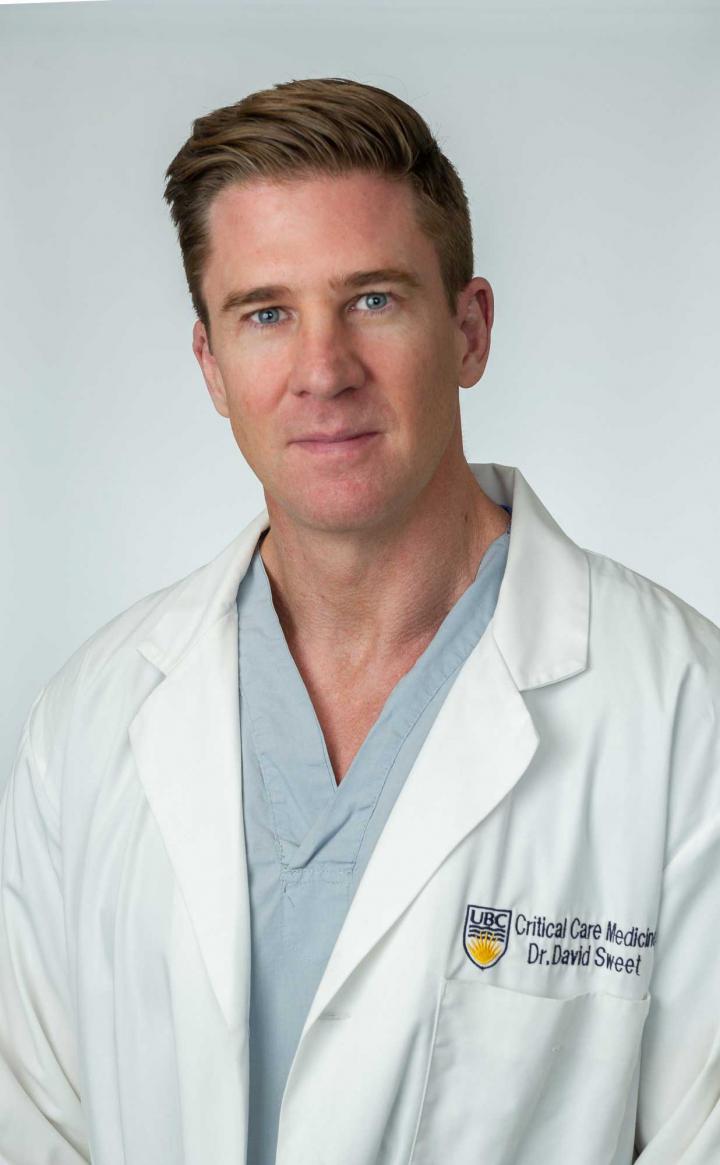
Credit: Courtesy University of British Columbia

Scientists have shown for the first time evidence that early sampling of blood for microorganisms in sepsis is critical to treating the common and potentially fatal condition.

In an international study including researchers from the University of British Columbia (UBC), McGill University and Harvard Medical School, scientists found that in order to better treat sepsis, emergency rooms must strictly follow sepsis guidelines, which demand trained personnel and proper equipment.

“It’s crucial for emergency room clinicians to quickly diagnose and treat sepsis patients within the hour, if possible, to prevent further organ damage and possible death,” said Dr. David Sweet, senior study author, clinical associate professor of emergency medicine in the faculty of medicine at UBC, and a critical care physician at Vancouver General Hospital.

Sepsis, a condition caused by the immune system’s response to infection, triggers a series of reactions including swelling, blood-clotting and organ damage. It was the 12th leading cause of death in Canada in 2011 (the latest year of comparable data) and disproportionately affects seniors, cancer patients, diabetics and others.

The five-year study (2013-2018) published today in the Annals of Internal Medicine involved 325 patients in seven hospitals (including Vancouver General, St. Paul’s, Lions Gate and Surrey Memorial) who arrived at the hospital complaining of sepsis-like symptoms such as increased heart rate, painful urination and confusion.

According to international sepsis guidelines, if health-care workers suspect a patient is suffering from sepsis, they should order a blood test before–not after–administering antibiotics. If the patient receives antibiotics (typically via intravenous therapy) before the blood test, the telltale bacteria may not be detected and the cause of sepsis will remain undiagnosed.

The study found that post-antibiotic blood tests were 50 per cent less likely to identify the cause of sepsis in patients compared to blood tests taken before antibiotic treatment.

“Our study has, for the first time ever, produced clear evidence supporting current sepsis guidelines and underscores the urgent need for proper sepsis protocols,” Sweet said.

If patients are properly diagnosed, antibiotics are prescribed more efficiently, which reduces resistance in patients and the probability of additional infections–all at less cost to the health-care system.

“Emergency rooms must place more emphasis on sepsis guidelines and make sure they have the resources to implement them, for the sake of patients and our health-care system,” Sweet said.

###

The study was co-authored by researchers at University of Arizona College of Medicine, Banner University Medical Center, and London Health Sciences Centre.

Funding was provided by Vancouver Coastal Health, St. Paul’s Hospital Foundation Emergency Department Support Fund, the Fonds de recherche du Québec – Santé, and the Maricopa Medical Foundation.

Media Contact
Reyhana Heatherington
[email protected]

Related Journal Article

http://dx.doi.org/10.7326/M19-1696

Tags: Critical Care/Emergency MedicineDeath/DyingInternal MedicineMedicine/HealthMortality/Longevity
Share12Tweet8Share2ShareShareShare2

Related Posts

Swedish Birth Cohort Turns Its Lens on Mothers to Trace Breast Cancer’s Environmental Roots

September 24, 2026

New Risk Model Predicts Kidney Disease Years Before It Strikes People With Prediabetes

September 24, 2026

Hand-Sewn Suture Technique Achieves Coupler-Level Vessel Results in Head and Neck Rebuilds

September 24, 2026

Stigma in the Clinic Strongly Predicts HIV Treatment Interruption in Kenya

September 24, 2026
Please login to join discussion

POPULAR NEWS

  • Malaria Parasite Membrane Enzymes Emerge as Promising New Drug Targets

    29 shares
    Share 12 Tweet 7
  • Staphylococcal Protein Reprograms Liver Tumor Macrophages to Boost Immunotherapy

    29 shares
    Share 12 Tweet 7
  • Hidden Microbes Inside Mung Bean Show Striking Stress Tolerance and Fungal-Fighting Power

    29 shares
    Share 12 Tweet 7
  • Noisy Gates Put Gate Teleportation to the Test

    29 shares
    Share 12 Tweet 7

About

We bring you the latest biotechnology news from best research centers and universities around the world. Check our website.

Follow us

Recent News

Malaria Parasite Membrane Enzymes Emerge as Promising New Drug Targets

Staphylococcal Protein Reprograms Liver Tumor Macrophages to Boost Immunotherapy

Hidden Microbes Inside Mung Bean Show Striking Stress Tolerance and Fungal-Fighting Power

Subscribe to Blog via Email

Success! An email was just sent to confirm your subscription. Please find the email now and click 'Confirm' to start subscribing.

Join 85 other subscribers
  • Contact Us

Bioengineer.org © Copyright 2023 All Rights Reserved.

Welcome Back!

Login to your account below

Forgotten Password?

Retrieve your password

Please enter your username or email address to reset your password.

Log In
No Result
View All Result
  • Homepages
    • Home Page 1
    • Home Page 2
  • News
  • National
  • Business
  • Health
  • Lifestyle
  • Science

Bioengineer.org © Copyright 2023 All Rights Reserved.