In a groundbreaking advance that could redefine therapeutic approaches to breast cancer, recent research has illuminated the potent effects of glycyrrhizin, a naturally derived compound, in modulating critical oncogenic pathways. This discovery not only unravels a novel mechanism of action for glycyrrhizin but also offers promising prospects for enhancing treatment modalities against one of the most prevalent malignancies affecting women worldwide.
Breast cancer pathogenesis is notoriously driven by complex signaling networks that promote unchecked cellular proliferation and survival. Among these, the phosphatase and tensin homolog (PTEN) plays a pivotal tumor suppressor role by antagonizing the PI3K/AKT pathway, a critical axis involved in oncogenic signaling. Loss or downregulation of PTEN is frequently correlated with an aggressive tumor phenotype and resistance to conventional therapies, making it an attractive target for molecular intervention.
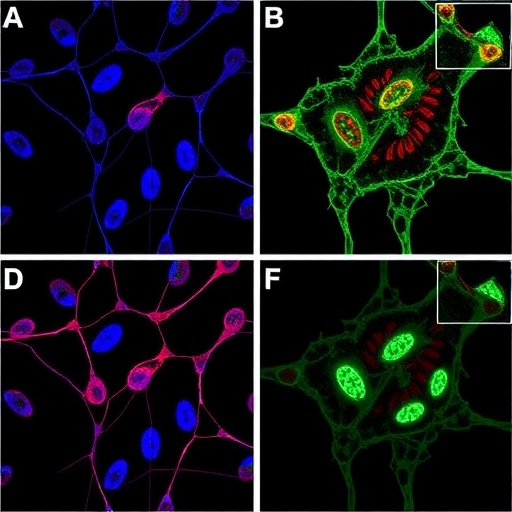
The study, spearheaded by Ashraf, M., Aftab, U., and Akhtar, T., elucidates how glycyrrhizin facilitates the upregulation of PTEN expression in breast cancer cells. Using a combination of molecular biology techniques, including quantitative PCR, Western blot analysis, and immunocytochemistry, the research team systematically demonstrated that glycyrrhizin administration reinstates PTEN levels that were markedly reduced in malignant breast tissue samples and cell lines.
This restoration of PTEN exerts a downstream inhibitory effect on the oncogenic PI3K/AKT signaling cascade. Subsequent assays revealed a significant decrease in phosphorylated AKT, a hallmark indicator of pathway activation, suggesting that glycyrrhizin effectively dampens oncogenic signaling that fuels tumor growth and metastasis. These mechanistic insights are critical, as they establish a direct biochemical link between glycyrrhizin and tumor suppressor pathways that have been previously exploited with limited success.
Intriguingly, beyond PTEN modulation, glycyrrhizin appeared to engage multiple cellular processes that augment its anticancer efficacy. The research highlighted glycyrrhizin’s ability to induce apoptosis and cell cycle arrest. Flow cytometric analyses identified a substantial increase in the percentage of apoptotic cells upon glycyrrhizin treatment, coupled with an accumulation of cells in the G1 phase, indicating a halt in cell cycle progression. These cytostatic and cytotoxic effects collectively impede the proliferative advantage of cancer cells.
Importantly, glycyrrhizin’s influence was not restricted to in vitro models. The authors extended their investigations to murine xenograft models bearing human breast cancer tumors. Consistent with cellular findings, glycyrrhizin-treated mice exhibited marked tumor growth suppression without significant adverse effects, underscoring its therapeutic potential and favorable safety profile.
One of the remarkable attributes of glycyrrhizin is its origin from licorice root, a substance with a long-standing history in traditional medicine for various ailments. This natural compound’s transition from anecdotal use to a scientifically validated anticancer agent exemplifies the increasing appreciation for phytochemicals in modern oncology. It brings forth the prospect of exploring integrative strategies where conventional chemotherapeutics might be augmented with such bioactive compounds.
The research also shed light on the molecular intricacies behind glycyrrhizin’s effect on PTEN regulation. Epigenetic analyses indicated that glycyrrhizin mitigates promoter methylation of the PTEN gene. This epigenetic remodeling promotes transcriptional activation, enabling the restoration of PTEN protein synthesis. This finding is particularly compelling because aberrant DNA methylation is a common mechanism by which tumor suppressor genes are silenced in cancerous cells.
Beyond these molecular ramifications, glycyrrhizin’s impact on the tumor microenvironment was another layer dissected in the study. Experiments demonstrated reduced markers of angiogenesis, such as vascular endothelial growth factor (VEGF), following glycyrrhizin treatment. Since angiogenesis is crucial for tumor sustenance and metastasis, the anti-angiogenic properties of glycyrrhizin add to its multifaceted anticancer action.
The study also ventured into the modulation of immune-related pathways. Glycyrrhizin appeared to recalibrate cytokine profiles within the tumor milieu, potentially enhancing antitumor immune surveillance and response. Such immunomodulatory effects could complement its direct inhibitory actions on cancer cells, offering a dual-pronged strategy against tumor development.
Clinically, these revelations open new avenues for breast cancer management. Given the high prevalence of PTEN loss and PI3K/AKT pathway hyperactivation in breast cancer patients, glycyrrhizin could serve as an adjuvant treatment, possibly improving outcomes where existing therapies fail due to resistance mechanisms. Furthermore, its natural origin and tolerability profile may translate into better patient compliance and fewer side effects.
However, the translation of glycyrrhizin from bench to bedside necessitates rigorous clinical trials to validate efficacy, optimal dosing, and potential interactions with standard treatments. The study by Ashraf and colleagues lays a robust foundation but also signals the need for further investigation into pharmacokinetics, long-term outcomes, and combinatorial regimens.
Moreover, the specificity of glycyrrhizin’s action raises intriguing questions. Does glycyrrhizin preferentially affect cancer cells over normal tissue? What are the off-target effects, if any? Addressing these concerns will be pivotal in defining its clinical application spectrum and safety margins.
The potential impact of this research resounds beyond breast cancer alone. Since PTEN and PI3K/AKT pathways are dysregulated in various cancers, glycyrrhizin or its derivatives might find utility across oncological disciplines, prompting a wider evaluation of this natural compound’s anticancer repertoire.
This research exemplifies how revisiting traditional compounds through the lens of molecular oncology can yield transformative insights. As the fight against cancer intensifies, integrating natural agents like glycyrrhizin could complement existing modalities, offering hope for more effective, less toxic therapies.
As science continues to unravel the molecular complexities of cancer, studies such as this underscore the importance of innovative, multidisciplinary approaches. Glycyrrhizin’s journey from licorice root to a promising antitumor agent marks a significant milestone in oncological research and patient care.
Future research trajectories could explore structural analogs of glycyrrhizin with enhanced bioavailability and potency. Additionally, elucidating its synergistic potential with other targeted inhibitors may improve therapeutic regimens.
Ultimately, the discovery that glycyrrhizin upregulates PTEN and suppresses oncogenic signaling navigates a new pathway toward controlling breast cancer’s relentless progression. It stands as a beacon of hope in the ongoing quest to harness nature’s pharmacopeia for curing cancer.
Subject of Research: Breast Cancer and the Molecular Effects of Glycyrrhizin on Tumor Suppressor PTEN and Oncogenic Signaling Pathways
Article Title: Glycyrrhizin upregulates PTEN and suppresses oncogenic signaling in breast cancer
Article References:
Ashraf, M., Aftab, U., Akhtar, T. et al. Glycyrrhizin upregulates PTEN and suppresses oncogenic signaling in breast cancer. Med Oncol 43, 124 (2026). https://doi.org/10.1007/s12032-026-03268-9
Image Credits: AI Generated
DOI: https://doi.org/10.1007/s12032-026-03268-9
Tags: breast cancer cellular proliferationbreast cancer signaling pathwaysenhancing treatment modalities for breast cancerglycyrrhizin and breast cancerglycyrrhizin and PI3K/AKT pathwayglycyrrhizin mechanism of actioninnovative therapies for breast cancermolecular interventions in breast cancernatural compounds in oncologyPTEN expression in cancer therapyresearch on glycyrrhizin and cancertumor suppressor role of PTEN