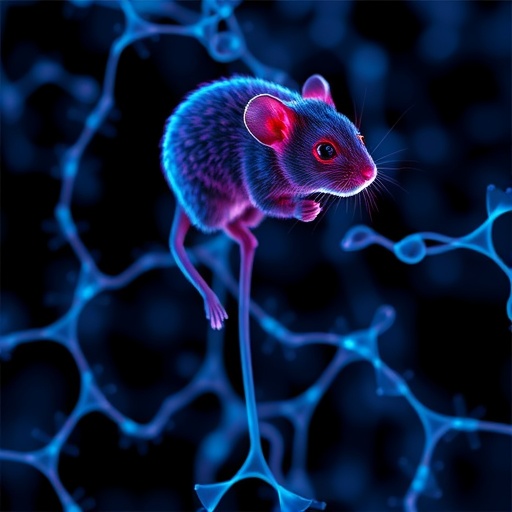
In a groundbreaking study, researchers have provided insights into the early mechanisms of tauopathies using the PS19 mouse model. This research, spearheaded by Wang, Ponnusamy, Patel, and their team, utilizes spatiotemporal transcriptomic profiling to unveil the significant upregulation of glycolysis pathway genes prior to the manifestation of overt tauopathy. This revelation holds promise for understanding the metabolic disruptions that accompany neurodegenerative diseases, which have historically been overlooked in studies focusing primarily on protein aggregation and neural degeneration.
The PS19 mouse model, known for its representation of tauopathies, allows scientists to explore tau-related pathologies in a controlled environment. The model has been instrumental in revealing the developmental stages of tau aggregation and its association with neurodegeneration. By studying these patterns, researchers are not only able to observe the progression of tauopathies but also delve into the underlying biological processes that precede visible symptoms. The findings of this study underscore the complexity of tau-associated disorders and highlight the importance of metabolic changes occurring in the brain.
One of the most compelling aspects of this research is the focus on glycolysis—a fundamental metabolic pathway that converts glucose into pyruvate while generating small amounts of ATP. Glycolysis is crucial for maintaining energy homeostasis within neural cells, and its dysregulation may have profound implications for neurological health. The early upregulation of glycolytic genes prior to tauopathy may suggest an adaptive response to maintain energy production amid increasing cellular stress and dysfunction. This metabolic shift could represent a crucial early warning sign of the disease process before structural changes become apparent.
Furthermore, the spatiotemporal aspect of the transcriptomic profiling conducted in the study allows for a nuanced understanding of when and where these metabolic changes occur in relation to tau pathology. This methodology provides researchers with a dynamic view of gene expression over time and across different brain regions, shedding light on the regional variability in metabolic responses. By correlating these changes with tau accumulation, the study provides a valuable framework for exploring potential therapeutic interventions that target metabolic processes.
Another dimension of this research is the potential implications for biomarker discovery. If upregulated glycolytic genes can be identified as reliable indicators of imminent tau pathology, they could pave the way for early diagnostic methods. Early detection is paramount in neurodegenerative diseases, as it offers the best chance for treatment effectiveness before irreversible damage occurs. The findings from Wang and colleagues could catalyze further investigations into metabolic biomarkers, potentially transforming how tauopathies are diagnosed and managed clinically.
As scientists continue to unravel the enigmatic nature of tauopathies, the role of glial cells and their metabolic contributions cannot be overlooked. Glial cells are known to play supportive roles in maintaining neuronal health, and their metabolic states are intricately linked to neuronal function. The study reinforces the idea that glial involvement in metabolic shifts warrants further investigation, as it could reveal additional therapeutic targets. Enhancing the energy support for neurons may emerge as a viable strategy to combat the deleterious effects of tau accumulation and to maintain cognitive function.
Moreover, the research provides a robust platform for exploring potential therapeutic strategies that focus on metabolic modulation. If glycolysis is indeed pivotal in the early stages of tauopathies, therapeutic agents aimed at enhancing glycolytic metabolism may be beneficial. For instance, compounds that can increase glucose uptake or promote glycolytic flux could aid in preserving neuronal function as tau pathology progresses. Such an approach would complement existing therapies aimed at tau aggregation and might offer a more comprehensive strategy in the fight against neurodegeneration.
In the context of this groundbreaking work, it is also essential to acknowledge the limitations inherent to animal models. While the PS19 mouse model provides invaluable insights into tau pathologies, translating these findings to human conditions presents challenges. Future studies need to determine whether the metabolic dysregulation observed in mice accurately reflects the changes occurring in human tauopathies. Addressing these gaps will be essential to elevate these findings from basic research to clinical application.
In conclusion, the study conducted by Wang, Ponnusamy, Patel, et al. represents a pivotal stride in understanding the metabolic underpinnings of tauopathies. By illuminating the early upregulation of glycolytic genes prior to overt tau pathology, this research underscores the interconnectedness of metabolism and neurodegenerative processes. The implications of these findings stretch far beyond the realm of basic science; they pave the way for novel approaches to diagnosis, therapeutic intervention, and a more profound understanding of the complex landscape of tauopathies. As researchers continue to unravel the intricate pathways that govern neuronal health, the emphasis on metabolic processes will undoubtedly shape the future of neurology.
Subject of Research: Tauopathies and metabolic dysregulation in the PS19 mouse model
Article Title: Spatiotemporal transcriptomic profiling reveals upregulation of glycolysis pathway genes before overt tauopathy in the PS19 mouse model.
Article References:
Wang, S., Ponnusamy, M., Patel, O. et al. Spatiotemporal transcriptomic profiling reveals upregulation of glycolysis pathway genes before overt tauopathy in the PS19 mouse model.
Exp Mol Med (2026). https://doi.org/10.1038/s12276-026-01652-z
Image Credits: AI Generated
DOI: 13 February 2026
Keywords: Glycolysis, tauopathy, PS19 mouse model, transcriptomics, neurodegeneration, biomarkers, metabolism.