The Gerontological Society of America has thrown its institutional weight behind a sweeping new review of respiratory vaccine evidence, endorsing findings released on September 2, 2026 by the Vaccine Integrity Project in collaboration with the American Medical Association. The endorsement arrives at a moment of heightened public scrutiny of immunization policy, and it places one of the oldest and largest interdisciplinary organizations devoted to aging firmly on the side of the scientific consensus that vaccines against influenza, COVID-19, and respiratory syncytial virus continue to deliver substantial protection against the worst outcomes of infection.
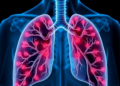
The Vaccine Integrity Project, an independent initiative dedicated to rigorous evaluation of immunization science, conducted a comprehensive evidence review covering the 2026-27 respiratory season. Its central conclusion is unambiguous: the latest, high-quality scientific evidence shows that immunizations against influenza, COVID-19, and RSV continue to provide meaningful protection against severe illness, hospitalization, and death. Those three pathogens collectively account for hundreds of thousands of hospitalizations each year in the United States alone, with older adults bearing a disproportionate share of the burden. Influenza alone is responsible for tens of thousands of deaths annually in severe seasons, while RSV, long underappreciated as a threat to adults, has emerged in recent years as a major cause of lower respiratory tract disease among people over 60 and infants alike.
What distinguishes the current review is not only its scope but its timing and its institutional reach. The Vaccine Integrity Project’s evaluation was released simultaneously with immunization recommendations from a coalition of major American medical organizations, including the American College of Obstetricians & Gynecologists, the American Academy of Pediatrics, the American Academy of Family Physicians, and the Infectious Diseases Society of America. Each of these bodies drew on the same evidence review to formulate guidance for the physicians and patients they represent. The result is an unusually unified front: obstetricians, pediatricians, family physicians, infectious disease specialists, and now gerontologists all pointing to the same body of evidence and arriving at the same conclusion that vaccination remains a cornerstone of respiratory season preparedness.
For the Gerontological Society of America, the review’s findings align squarely with the organization’s long-standing advocacy for age-appropriate immunization. GSA has built an entire platform around the concept it calls the Concentric Value of Vaccination As We Age, a framework that frames vaccines not merely as clinical interventions but as instruments with expanding rings of benefit that radiate outward from the individual to the economy and to society as a whole. The platform’s cornerstone is a report titled “Concentric Value of Vaccination: Intersecting Health, Economic, and Societal Benefits,” which assembles evidence on how immunization improves individual and population health while simultaneously generating measurable economic and societal returns.
The economic argument developed in GSA’s report is grounded in a straightforward epidemiological reality: prevented illness is avoided cost. Every hospitalization averted through vaccination represents savings in direct medical expenditure, from emergency department visits and intensive care admissions to long-term rehabilitation and post-acute care. For older adults, who experience the highest rates of vaccine-preventable respiratory disease complications, these avoided costs are particularly consequential. Beyond the clinical and fiscal dimensions, the report emphasizes the often-overlooked social value of immunization. Vaccinated individuals remain active contributors to the workforce, sustain caregiving roles within their families, and maintain community engagement that would otherwise be interrupted by illness or its downstream consequences.
“Vaccines remain the most consistently effective intervention against infectious diseases such as smallpox, rabies, polio, and various childhood illnesses,” the report concludes, situating contemporary respiratory vaccination within a historical arc of immunological triumph. “Their multifaceted impact highlights how vaccines not only prevent illness and reduce health care costs but also enable individuals to remain active contributors in the workforce, support caregiving roles, and sustain community engagement.” That framing deliberately extends the conversation beyond the clinic. It acknowledges that the value of a vaccine cannot be captured entirely in efficacy statistics or antibody titers, but must also account for the continuity of work, family, and civic life that vaccination protects.
The technical underpinnings of the Vaccine Integrity Project’s review reflect the evolving standards of evidence synthesis in immunology and public health. Modern vaccine evidence reviews must integrate data from randomized controlled trials, observational studies, real-world effectiveness monitoring, and safety surveillance systems, weighing each source for methodological quality and relevance. For respiratory pathogens, which mutate continuously and produce seasonal epidemics whose severity varies from year to year, the evidence base must be refreshed annually. Influenza vaccines are reformulated for each season in anticipation of circulating strains; COVID-19 vaccines have been updated repeatedly to match emerging variants of the SARS-CoV-2 virus; and the relatively recent arrival of RSV vaccines for older adults has added a new layer of accumulating data. A review that synthesizes this shifting landscape year after year serves as a critical checkpoint between raw evidence and clinical practice.
The importance of such independent synthesis has grown as public confidence in vaccines has come under pressure. Divergent recommendations from advisory bodies and shifting political discourse around immunization policy have created uncertainty for both clinicians and patients. In this environment, the participation of professional medical organizations in a shared, transparent evidence review functions as a stabilizing force. When the American Academy of Pediatrics, the American College of Obstetricians & Gynecologists, the American Academy of Family Physicians, the Infectious Diseases Society of America, and the American Medical Association converge on the same evidence base, the resulting recommendations carry a coherence that individual institutions acting alone could not achieve. GSA’s endorsement extends that coherence to the field of aging, ensuring that the specific needs and vulnerabilities of older populations are explicitly represented in the respiratory season guidance.
The demographic urgency of this work is difficult to overstate. Populations across the developed world are aging rapidly, and the immune system undergoes well-characterized changes with age, a phenomenon known as immunosenescence, that diminishes the body’s capacity to mount robust responses to infection and vaccination alike. Older adults therefore experience both higher rates of severe disease from influenza, COVID-19, and RSV and, in many cases, waning vaccine effectiveness, making regular evidence review and timely revaccination essential. Studies consistently show that even when vaccines do not fully prevent infection in older adults, they significantly reduce the risk of hospitalization, intensive care admission, and death. This attenuation of severity is precisely the outcome that the Vaccine Integrity Project’s review found to be robustly supported by current evidence across all three respiratory viruses.
Founded in 1945, the Gerontological Society of America is the oldest and largest interdisciplinary organization focused on aging, serving more than 6,000 members in over 50 countries. Its vision of “meaningful lives as we age” is supported by its mission to foster excellence, innovation, and collaboration to advance aging research, education, practice, and policy. The organization is also home to the National Academy on an Aging Society, a nonpartisan public policy institute, and the National Center to Reframe Aging, which works to shift public understanding of growing older. Through these platforms, GSA has positioned itself as a bridge between the laboratory science of aging and the policy decisions that shape the health of older populations, and its embrace of the new vaccine evidence review exemplifies that translational role.
As the 2026-27 respiratory season approaches, the convergence of independent evidence review and coordinated professional endorsements offers a clear signal to clinicians and the public: the scientific foundation for respiratory vaccination remains strong. The evidence reviewed by the Vaccine Integrity Project affirms that influenza, COVID-19, and RSV immunizations continue to prevent severe illness, hospitalization, and death, with benefits that extend well beyond the vaccinated individual to families, workplaces, and health systems. For the aging societies of the twenty-first century, GSA argues, vaccination is not simply a medical procedure but an investment in the health, economic vitality, and social fabric of communities, one that pays dividends across every concentric ring of human life.
Subject of Research: Evidence-based immunization against influenza, COVID-19, and RSV and its health, economic, and societal benefits for older adults
Subject of Research: Medicine
Article Title: Gerontological Society of America supports new immunization guidance
Article References: Gerontological Society of America supports new immunization guidance, EurekAlert! Original publication
Image Credits: AI Generated
DOI: Not provided
Keywords: Gerontological Society of America, Vaccine Integrity Project, immunization, influenza, COVID-19, RSV, older adults, respiratory vaccines, evidence review, healthy aging, public health policy
Cite Scienmag News
APA MLA Chicago
Kristina Jarvis. (September 7, 2026). Gerontology group backs updated immunization guidance. Scienmag. https://scienmag.com/gerontology-group-backs-updated-immunization-guidance/
Kristina Jarvis. “Gerontology group backs updated immunization guidance.” Scienmag, 7 September 2026, https://scienmag.com/gerontology-group-backs-updated-immunization-guidance/. Accessed 7 September 2026.
Kristina Jarvis. “Gerontology group backs updated immunization guidance.” Scienmag. September 7, 2026. https://scienmag.com/gerontology-group-backs-updated-immunization-guidance/
Copy citation Download RIS
Tags: aging and infectious disease preventionaging population vaccine policyAmerican Medical Association vaccine guidanceCOVID-19 and influenza vaccine efficacy in elderlyCOVID-19 vaccine efficacy in seniorsgeriatric health and respiratory virusesgeriatric vaccination recommendationsGerontology immunization guidelinesGerontology vaccine endorsementimmunization policy for older adultsinfluenza COVID-19 RSV protectioninfluenza COVID-19 RSV vaccine protectioninfluenza vaccination importance in aging populationolder adults respiratory illness preventionpublic health immunization strategies for agingpublic health recommendations for elderly vaccinationrespiratory immunization guidelinesrespiratory vaccine evidence reviewrespiratory virus hospitalization riskRSV impact on older adultsscientific consensus on adult vaccinesupdated immunization guidance for seniorsVaccine Integrity Project immunization endorsementVaccine Integrity Project review