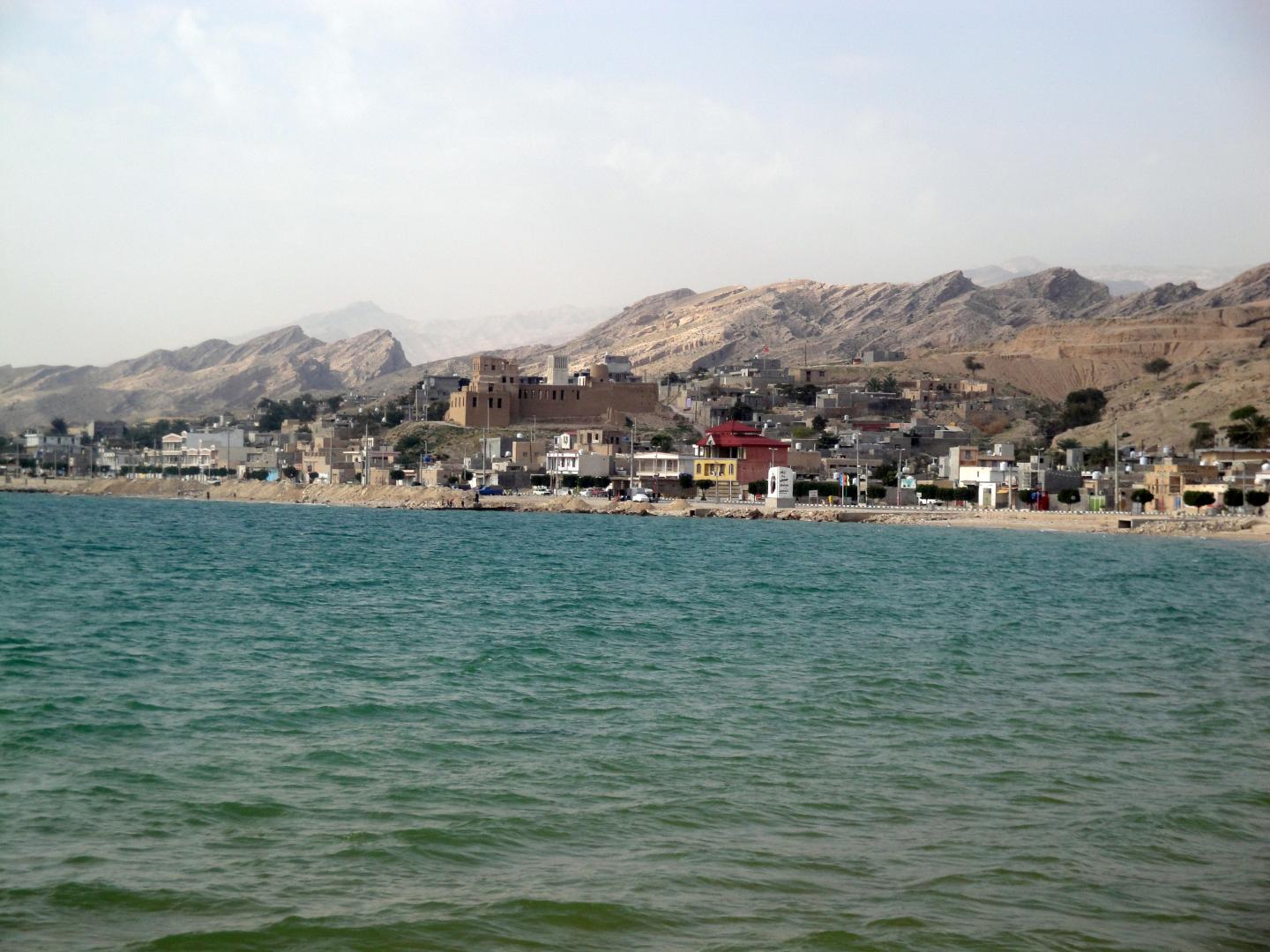
Researchers of Mainz University cooperate with partners in the Middle East to provide drinking water to settlements on the Persian Gulf
Johannes Gutenberg University Mainz (JGU) is involved in an international research project launched by the German Federal Ministry of Education and Research (BMBF). The aim of the project is to improve water security in the Middle East. Various cross-border research and development projects will be carried out – ranging from the use of innovative water technologies to efficient water sector management approaches. The Mainz teams, led by Professor Sebastian Seiffert from JGU and Professor Michael Maskos, also from JGU and head of the Fraunhofer Institute for Microengineering and Microsystems IMM, will be participating in the BMBF project and collaborating with three partners from Iran and Iraq. “Our goal is to use temperature-sensitive polymer gels to convert seawater from the Persian Gulf into drinking water to supply small settlements in the region – an energy-independent process which is simply driven by the alternation of day and night,” explained Sebastian Seiffert, Professor for Physical Chemistry of Polymers at JGU. The German Federal Ministry of Education and Research will be supporting the project with EUR 600,000 in funding over the next three years.
Mainz expertise in the field of polymer gels is one of the cornerstones of the project
The intention is to develop desalination processes inspired by membrane-based and membraneless forward osmosis, a liquid separation technique. There will be two major development phases: In the first phase, the focus will be on the development of optimized hydrogels and novel membrane concepts. In the second phase, a laboratory set-up of a desalination plant will be created using the developed components and subsequently tested on-site by one of the project partners. “We hope that this will lay the foundations for developing simple desalination plants that can supply small settlements with fresh water,” emphasized Seiffert. Another key element of the project is to make a regional contribution to solving the global problem of water scarcity, which particularly affects Middle Eastern countries. “The region is already characterized by conflict. This international collaboration with partners from formerly hostile Gulf states is an excellent way to prevent possible resource conflicts over drinking water that could arise as a result of climate change,” the chemist added. Seiffert is also the spokesperson for the Adaptive Polymer Gels with Controlled Network Structure research unit funded by the German Research Foundation (DFG).
An additional benefit of the project is the multilateral cooperation involved. Although Iran and Iraq have good academic and industrial capabilities in the field of desalination, the two countries to date have contributed relatively little to progress in desalination programs in the Middle East – despite the fact that the Persian Gulf represents a significant water resource in the region. The German partners in the project have extensive know-how when it comes to the physical chemistry of polymer networks and thermoresponsive hydrogels, as well as in the fields of nanotechnology and the development of continuous production methods. “By pooling our various resources and expertise, we can provide that extra impetus to drive the project forward,” said Seiffert. He also expects the collaboration between the partners from Germany and the region to continue and intensify, even after the project has been completed, in order to foster even more cooperation in the field of water desalination.
###
Media Contact
Professor Dr. Sebastian Seiffert
[email protected]
Original Source
https:/