• HOME
  • NEWS
  • EXPLORE
    • CAREER
      • Companies
      • Jobs
    • EVENTS
    • iGEM
      • News
      • Team
    • PHOTOS
    • VIDEO
    • WIKI
  • BLOG
  • COMMUNITY
    • FACEBOOK
    • INSTAGRAM
    • TWITTER
Wednesday, July 22, 2026
BIOENGINEER.ORG
No Result
View All Result
  • Login
  • HOME
  • NEWS
  • EXPLORE
    • CAREER
      • Companies
      • Jobs
        • Lecturer
        • PhD Studentship
        • Postdoc
        • Research Assistant
    • EVENTS
    • iGEM
      • News
      • Team
    • PHOTOS
    • VIDEO
    • WIKI
  • BLOG
  • COMMUNITY
    • FACEBOOK
    • INSTAGRAM
    • TWITTER
  • HOME
  • NEWS
  • EXPLORE
    • CAREER
      • Companies
      • Jobs
        • Lecturer
        • PhD Studentship
        • Postdoc
        • Research Assistant
    • EVENTS
    • iGEM
      • News
      • Team
    • PHOTOS
    • VIDEO
    • WIKI
  • BLOG
  • COMMUNITY
    • FACEBOOK
    • INSTAGRAM
    • TWITTER
No Result
View All Result
Bioengineer.org
No Result
View All Result
Home NEWS Science News Health

Genome technology boosts malaria control efforts

Bioengineer by Bioengineer
February 13, 2018
in Health
Reading Time: 2 mins read
0
Share on FacebookShare on TwitterShare on LinkedinShare on RedditShare on Telegram
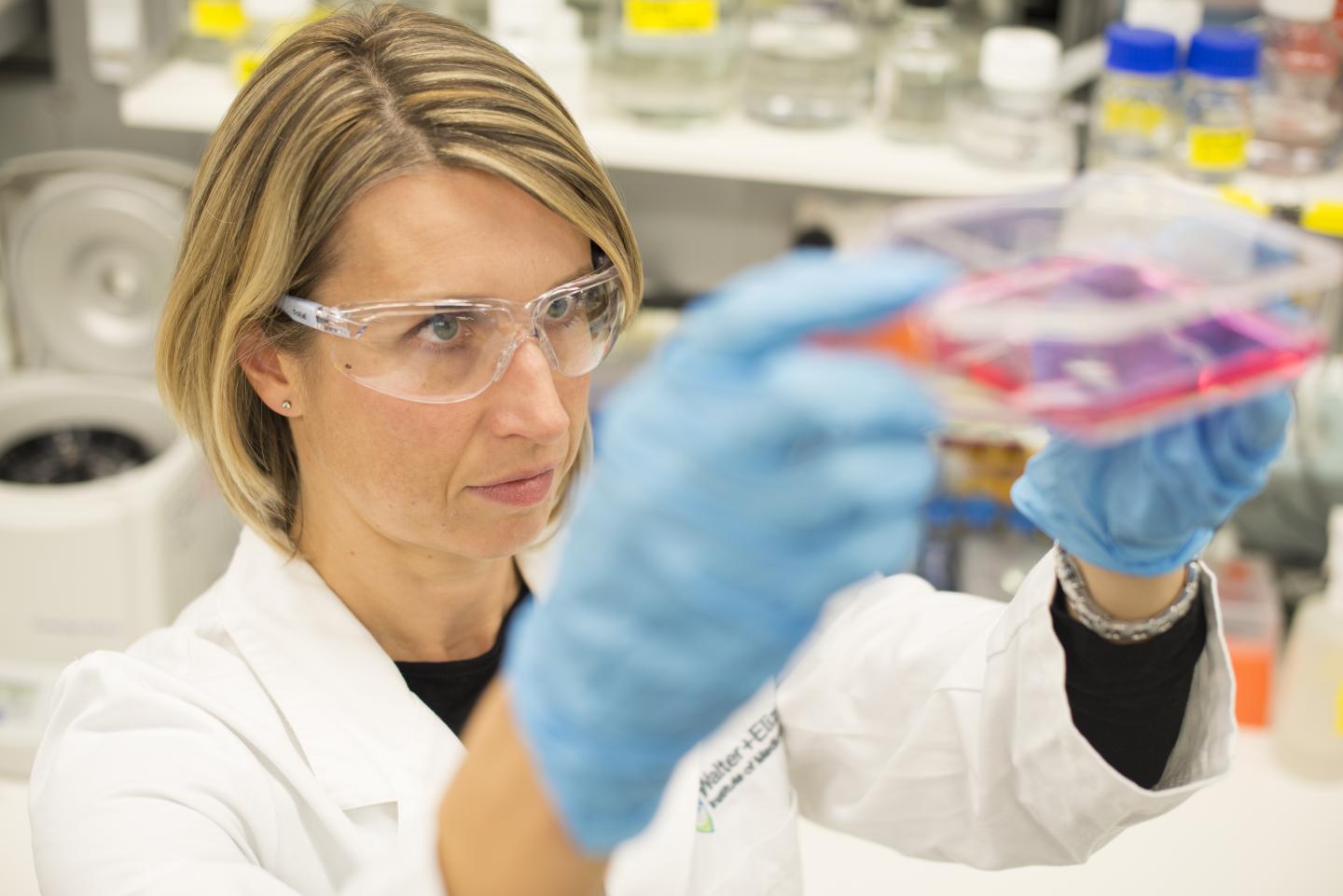
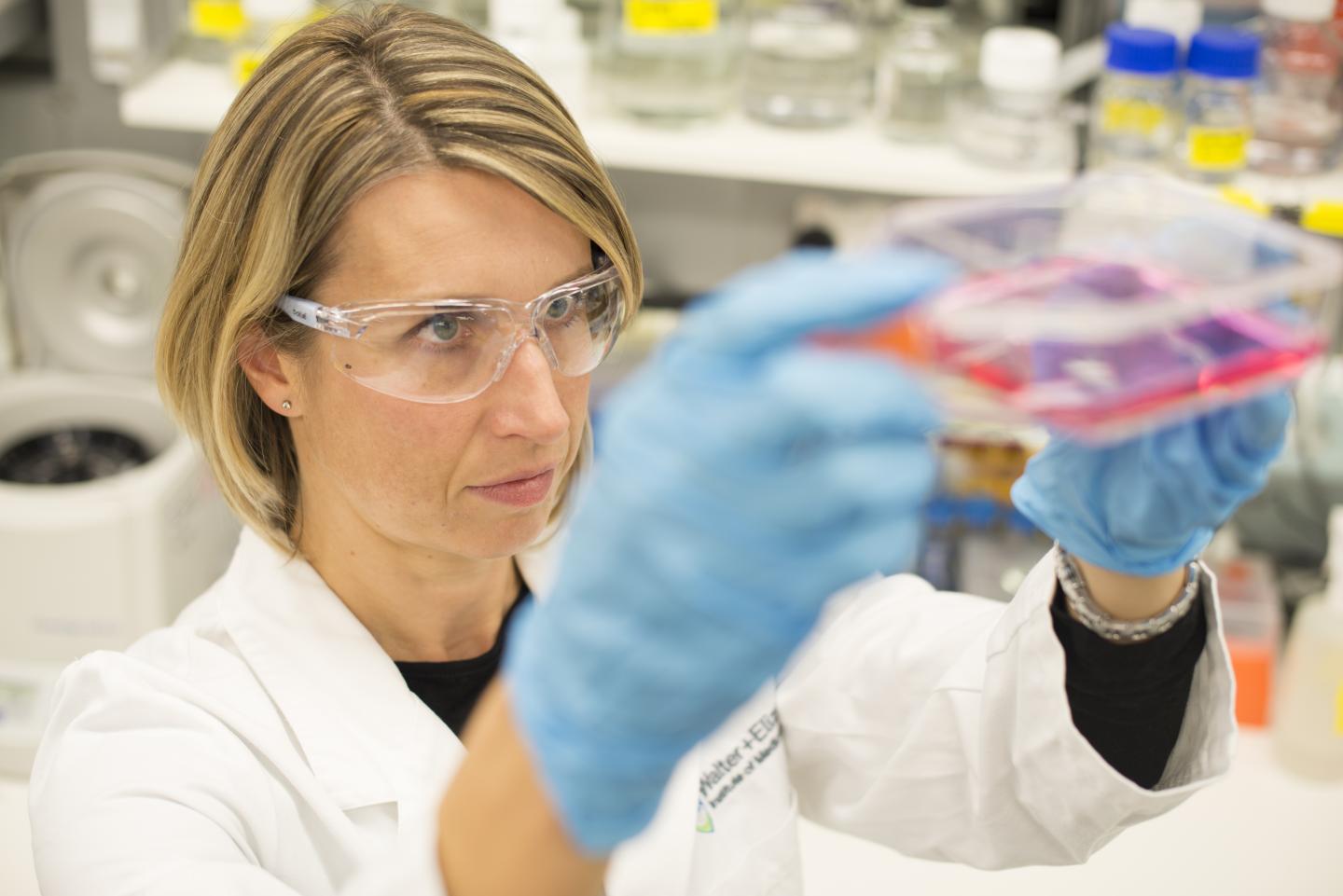
IMAGE

While most malaria research has focused on the parasite Plasmodium falciparum, which is common in Africa, another parasite, Plasmodium vivax (P.vivax) is responsible for the majority of malaria infections outside this region, causing an estimated 15.8 million clinical malaria cases each year. The parasite is becoming increasingly resistant to common antimalarial drugs, posing challenges for malaria elimination.

Institute researchers Dr Alyssa Barry and Professor Ivo Mueller are part of two international teams studying P.vivax. The teams used cutting-edge genomic techniques to analyse hundreds of clinical samples from malaria-infected people around the globe. The research led to two complementary publications in this month's edition of Nature Genetics.

The teams discovered patterns of variation that are the result of both ancient events and recent selection.

"Overall we found that the parasites are remarkably diverse," Professor Mueller said. "The patterns of genetic diversity appear to both result from ancient human migrations and follow historical routes of human movement, including those associated with colonization of the Americas in the 16th to 19th century and links between Africa, India and Europe."

The researchers also found signs that the parasite population is continuing to evolve in response to recent factors such as drug treatment.

"Drug resistant parasites are firmly established in certain regions, including Indonesia and Papua New Guinea, creating huge challenges for malaria control efforts. We found that parasites in these regions have strong genetic signatures of adaptation to antimalarial drugs.

"We can now use this information to study the causes of drug resistance and improve how we monitor the disease," Dr Barry said.

The researchers also examined parasite diversity within an individual.

"Zooming in on individuals revealed that while some people are infected with a single strain of P.vivax, other people have more complex, mixed infections with multiple strains of parasites," Dr Barry said. "Understanding the diversity of parasites both within an individual and around the globe is an important step towards understanding how malaria is transmitted and in the longer term finding new strategies to control this deadly disease."

###

The research was supported by the Victorian State Government Operational Infrastructure Support Scheme, the National Health and Medical Research Council, Wellcome Trust, UK, the Medical Research Council, UK, the Department for International Development, UK, National Institutes of Health, USA, Sao Paulo Research Foundation, Brazil, National Institute of Public Health, Mexico, Armed Forces Health Surveillance Center, Global Emerging Infections Surveillance and Response System (USA) and the Bill & Melinda Gates Foundation.

Media Contact

Ebru Yaman
[email protected]
042-803-4089
@WEHI_research

Home

Share12Tweet8Share2ShareShareShare2

Related Posts

Sleep Quality Links Synergistically with Frailty to Increase Cardiometabolic Multimorbidity in Elderly Chinese

July 19, 2026

Cognitive reserve helps older adults resist frailty and recover better

July 19, 2026

Physical Activity and Health Inequality in China’s Older Adults

July 19, 2026

Factors Influencing Elderly Preference for Dental Services

July 18, 2026
Please login to join discussion

POPULAR NEWS

  • Groundbreaking Discovery: New Shark Species Identified for the First Time — Technology and Engineering

    Groundbreaking Discovery: New Shark Species Identified for the First Time

    34 shares
    Share 14 Tweet 9
  • Controlled Study Defines Pediatric Long COVID Features

    32 shares
    Share 13 Tweet 8
  • Behavioral Nudge Boosts Medication Prescriptions for Alcohol Reduction

    35 shares
    Share 14 Tweet 9
  • Clean Cooking and Remittances Slash Somalia’s Ecological Footprints

    31 shares
    Share 12 Tweet 8

About

We bring you the latest biotechnology news from best research centers and universities around the world. Check our website.

Follow us

Recent News

Sleep Quality Links Synergistically with Frailty to Increase Cardiometabolic Multimorbidity in Elderly Chinese

Cognitive reserve helps older adults resist frailty and recover better

Physical Activity and Health Inequality in China’s Older Adults

Subscribe to Blog via Email

Success! An email was just sent to confirm your subscription. Please find the email now and click 'Confirm' to start subscribing.

Join 85 other subscribers
  • Contact Us

Bioengineer.org © Copyright 2023 All Rights Reserved.

Welcome Back!

Login to your account below

Forgotten Password?

Retrieve your password

Please enter your username or email address to reset your password.

Log In
No Result
View All Result
  • Homepages
    • Home Page 1
    • Home Page 2
  • News
  • National
  • Business
  • Health
  • Lifestyle
  • Science

Bioengineer.org © Copyright 2023 All Rights Reserved.