• HOME
  • NEWS
  • EXPLORE
    • CAREER
      • Companies
      • Jobs
    • EVENTS
    • iGEM
      • News
      • Team
    • PHOTOS
    • VIDEO
    • WIKI
  • BLOG
  • COMMUNITY
    • FACEBOOK
    • INSTAGRAM
    • TWITTER
Wednesday, May 20, 2026
BIOENGINEER.ORG
No Result
View All Result
  • Login
  • HOME
  • NEWS
  • EXPLORE
    • CAREER
      • Companies
      • Jobs
        • Lecturer
        • PhD Studentship
        • Postdoc
        • Research Assistant
    • EVENTS
    • iGEM
      • News
      • Team
    • PHOTOS
    • VIDEO
    • WIKI
  • BLOG
  • COMMUNITY
    • FACEBOOK
    • INSTAGRAM
    • TWITTER
  • HOME
  • NEWS
  • EXPLORE
    • CAREER
      • Companies
      • Jobs
        • Lecturer
        • PhD Studentship
        • Postdoc
        • Research Assistant
    • EVENTS
    • iGEM
      • News
      • Team
    • PHOTOS
    • VIDEO
    • WIKI
  • BLOG
  • COMMUNITY
    • FACEBOOK
    • INSTAGRAM
    • TWITTER
No Result
View All Result
Bioengineer.org
No Result
View All Result
Home NEWS Science News Biology

Gauging water loss from northern peatlands, a likely accelerant of climate change

Bioengineer by Bioengineer
May 15, 2020
in Biology
Reading Time: 2 mins read
0
IMAGE
Share on FacebookShare on TwitterShare on LinkedinShare on RedditShare on Telegram

IMAGE

Credit: Manuel Helbig

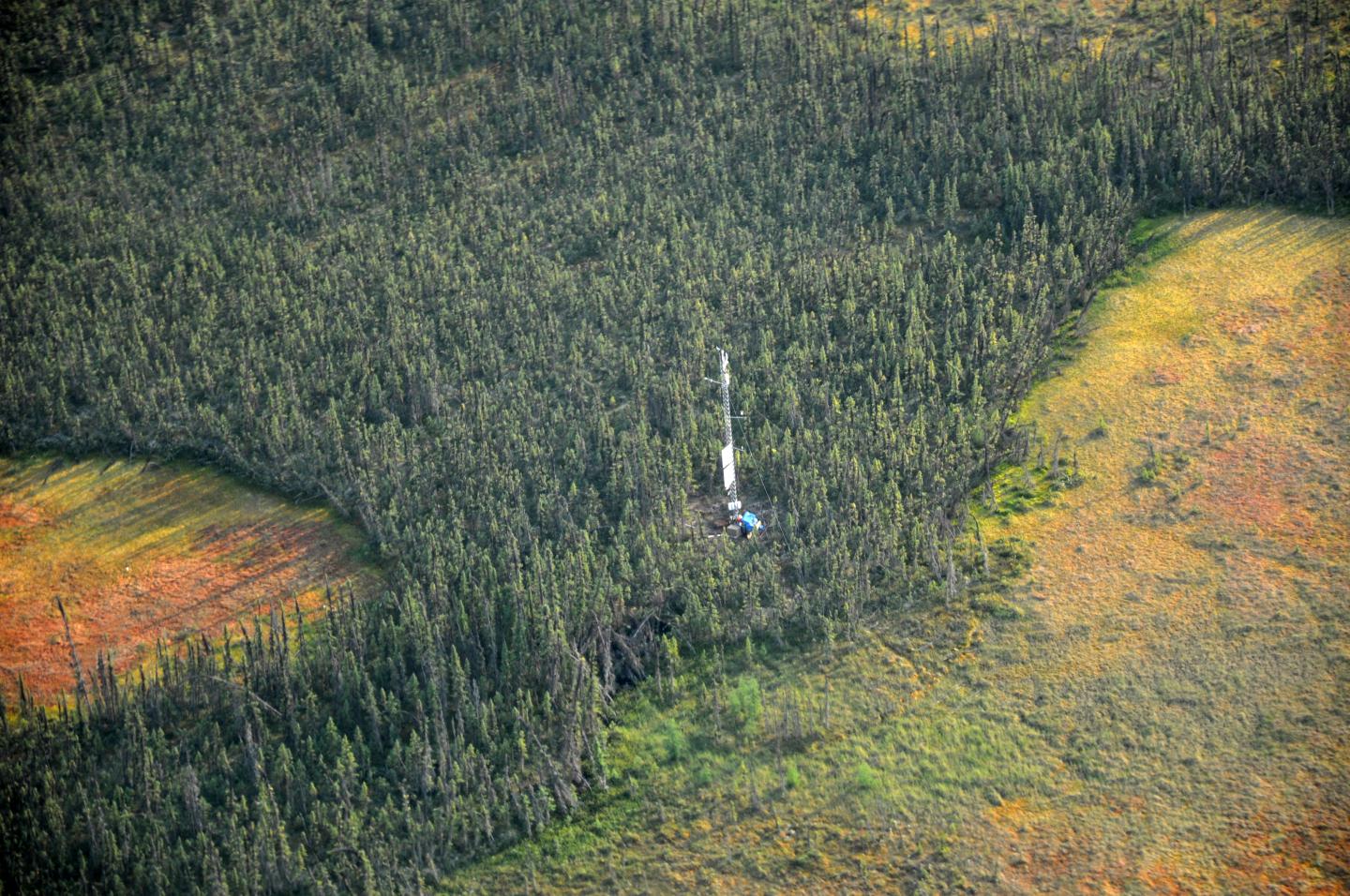
WOODS HOLE, Mass. — More carbon is stored in the forests, peatlands, and lakes of the high northern (boreal) latitudes than is currently in the atmosphere. Therefore, understanding how the boreal latitudes, which include Canada and Alaska, respond to global warming is very important for predicting its trajectory. As the climate warms, the air gets drier and can take up more water. The pines, spruces, and larches of boreal forests respond by largely retaining their water, but it hasn’t been known how boreal peatlands (bogs and fens) respond.

To compensate, a team of 59 international scientists, including Inke Forbrich of the Marine Biological Laboratory, pooled their data and discovered boreal peatlands lose more water than do forests in response to drying air. This has important implications not only for projections of water availability in these regions but for global carbon-climate feedbacks. With a lower water table, peatlands are more likely to release CO2 to the atmosphere, which in turn would accelerate the pace of global warming.

Most current global climate models assume the boreal region consists only of forest ecosystems. Adding peatlands data will improve their projections. Led by scientists at Canada’s McMaster University, the team published their report this week in Nature Climate Change.

###

Citation:

Manuel Helbig et al (2020) Increasing contribution of peatlands to boreal evapotranspiration in a warming climate. Nature Climate Change, DOI: 10.1038/s41558-020-0763-7

McMaster University press release

The Marine Biological Laboratory (MBL) is dedicated to scientific discovery – exploring fundamental biology, understanding marine biodiversity and the environment, and informing the human condition through research and education. Founded in Woods Hole, Massachusetts in 1888, the MBL is a private, nonprofit institution and an affiliate of the University of Chicago

Media Contact
Diana Kenney
[email protected]

Original Source

https://social.mbl.edu/calculating-global-water-loss-from-northern-peatlands-a-possible-accelerant-of-warming

Related Journal Article

http://dx.doi.org/10.1038/s41558-020-0763-7

Tags: Climate ChangeClimate ScienceEarth ScienceEcology/EnvironmentHydrology/Water Resources
Share12Tweet8Share2ShareShareShare2

Related Posts

Brookfield Zoo Chicago Achieves Major Milestone in Puerto Rican Crested Toad Conservation with Over 12,000 Tadpoles — Biology

Brookfield Zoo Chicago Achieves Major Milestone in Puerto Rican Crested Toad Conservation with Over 12,000 Tadpoles

May 19, 2026
Decoding p53 Vulnerability: Unraveling Why the Genome Guardian Often Fails — Biology

Decoding p53 Vulnerability: Unraveling Why the Genome Guardian Often Fails

May 19, 2026

New Imaging Technique Simultaneously Maps Brain Activity in Nine Cell Types — Over Four Times the Previous Limit

May 19, 2026

Decoding the Tumor Microenvironment Chemokine Network: From Immune Evasion to Innovative Multi-Target Therapies

May 19, 2026
Please login to join discussion

POPULAR NEWS

  • blank

    New Study Reveals Plants Can Detect the Sound of Rain

    732 shares
    Share 292 Tweet 183
  • Research Indicates Potential Connection Between Prenatal Medication Exposure and Elevated Autism Risk

    846 shares
    Share 338 Tweet 212
  • Breastmilk Balances E. coli and Beneficial Bacteria in Infant Gut Microbiomes

    58 shares
    Share 23 Tweet 15
  • ESMO 2025: mRNA COVID Vaccines Enhance Efficacy of Cancer Immunotherapy

    244 shares
    Share 98 Tweet 61

About

We bring you the latest biotechnology news from best research centers and universities around the world. Check our website.

Follow us

Recent News

Harrington Discovery Institute Uncovers Novel Drug Targets for Challenging Cancer Types

Emergency Hospital Admission Costs for Youth Mental Health Soar Nearly Fourfold in Ten Years

Texas Tech Initiates Development of Advanced Infrastructure Security Research Facility

Subscribe to Blog via Email

Enter your email address to subscribe to this blog and receive notifications of new posts by email.

Join 82 other subscribers
  • Contact Us

Bioengineer.org © Copyright 2023 All Rights Reserved.

Welcome Back!

Login to your account below

Forgotten Password?

Retrieve your password

Please enter your username or email address to reset your password.

Log In
No Result
View All Result
  • Homepages
    • Home Page 1
    • Home Page 2
  • News
  • National
  • Business
  • Health
  • Lifestyle
  • Science

Bioengineer.org © Copyright 2023 All Rights Reserved.