Residential care facilities for older adults are typically assessed by what happens inside them: the quality of nursing, the safety of corridors, the routines of medication and meals. But a new study from Sweden argues that some of the most valuable therapeutic real estate in these facilities lies just beyond the front door. Published in BMC Health Services Research, the research by Madeleine Liljegren of the University of Gothenburg and colleagues examines how outdoor environments at residential care facilities, or RCFs, could be woven into everyday health service delivery, and why, despite their promise, they so often are not.
The team conducted a qualitative study at three Swedish RCFs, using a method well suited to its subject: walking interviews. Older residents were interviewed individually while moving through the spaces around them, and care workers took part in focus group walking interviews. Rather than asking people to recall their environment from a distant office, the researchers walked with them, allowing conversation to unfold in the very zones being discussed. This approach captured not only what participants thought about outdoor spaces but how they actually used, avoided, or imagined using them in daily care.
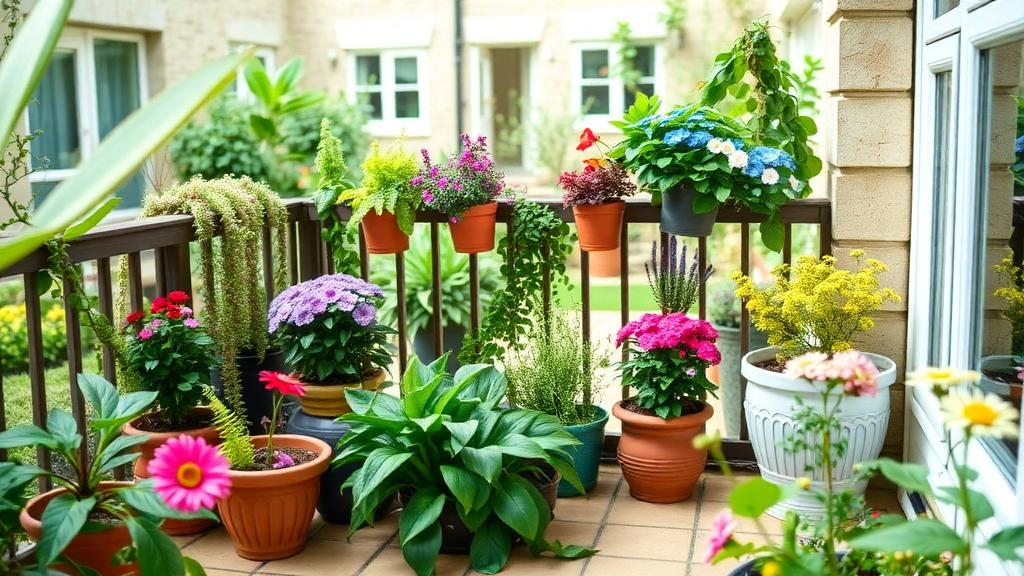
To organise the data, the researchers applied a model of four zones in contact with the outdoors. Zone 1 covers indoor environments with windows, the first point of visual contact with the outside world. Zone 2 comprises transitional outdoor environments, such as balconies, entrances and covered patios, where inside and outside meet. Zone 3 refers to gardens, the deliberately designed green spaces within the facility grounds, and Zone 4 encompasses the wider surroundings beyond the facility, from streets to parks to the broader landscape. Across each of these zones, the team identified everyday activities, care practices and rehabilitation opportunities, distinguishing between what currently happens and what could potentially happen.
The findings paint a picture of remarkable, largely unrealised potential. All four zones offered opportunities for social interaction, recreation, physical activity, contact with nature, health conversations, and even clinical assessments. A window view, in this framework, is not merely decoration; it is a site of stimulation and orientation. A balcony can host a morning coffee that doubles as a social encounter. A garden path can become a rehabilitation route where a physiotherapist or care worker supports walking practice in a setting far more engaging than an indoor corridor. The wider neighbourhood, meanwhile, opens possibilities for outings and maintained connection with the community beyond the facility walls.
Participants described a range of perceived benefits from outdoor engagement. These included stimulation, enjoyment, social interaction, sensory experiences, and contact with nature. For older adults, many of whom spend most of their time indoors, these experiences carry real weight. Sensory stimulation, the smell of plants, the sound of birds, the feel of sun and wind, is increasingly recognised as important for well-being in later life, particularly for people living with cognitive impairment. The study suggests that these benefits are not incidental extras but elements that could be deliberately harnessed as part of person-centred care and rehabilitation, approaches that tailor support to each individual’s preferences, capacities and life history.
Yet the gap between opportunity and practice was striking. The researchers found that the use of outdoor environments was limited by physical, seasonal, organisational, informational, and social barriers. Physical barriers might include steps, heavy doors, uneven surfaces or a lack of accessible routes, problems that turn a short garden trip into an ordeal for someone using a walker or wheelchair. Seasonal barriers are particularly acute in Sweden, where long winters and short daylight hours can make outdoor activity seem impractical for months at a time. Organisational barriers reflect the realities of care work: staff schedules built around indoor tasks leave little room for accompanying residents outside, and outdoor time is rarely treated as part of formal care delivery.
Informational and social barriers add further layers of complexity. If care workers lack knowledge about how outdoor spaces can support specific therapeutic goals, they are unlikely to incorporate them into care plans. And social dynamics matter too: some residents may hesitate to go outside without company, while staffing levels may mean no one is available to accompany them. The study’s central conclusion is that outdoor environments are a valuable but underutilised resource in RCFs, and that closing the gap requires more than good intentions. Integration into routine health service delivery, the authors argue, demands access to accessible environments, supportive organisational routines, and care workers with sufficient time, knowledge, and support.
What makes the study particularly useful is its practical orientation. By mapping activities and care practices across the four zones, and by distinguishing current practices from potential ones, the researchers have produced something like a catalogue of possibilities that facilities can adapt. The identified practices across the zones, they note, may provide practical inspiration for using outdoor environments in everyday activities and person-centred care and rehabilitation. For a care manager, the four-zone model offers a simple diagnostic tool: walk the facility from window to neighbourhood and ask what care activity could plausibly happen at each step, and what currently prevents it.
The implications extend beyond individual facilities. As populations age across Europe and beyond, the design and operation of residential care is under growing scrutiny, and health services research increasingly treats the built environment as an active component of care rather than a passive backdrop. This study fits within that shift, connecting architecture, landscape design and care practice. It also aligns with a broader evidence base linking green space and nature contact to health and well-being in older adults. By focusing specifically on how outdoor environments can be integrated into service delivery, rather than simply documenting their benefits, the Swedish team addresses a persistent blind spot: the organisational machinery that determines whether residents actually get outside.
The study was conducted with careful ethical oversight, approved by the Swedish Ethical Review Authority and carried out in accordance with the Declaration of Helsinki, with participation voluntary and informed consent obtained from all residents and care workers, including accommodations for participants with individual needs during the walking interviews. The work was funded by Forte, Formas, and the Kamprad Family Foundation for Entrepreneurship, Research and Charity, with open access funding provided by the University of Gothenburg. The research team drew together expertise from the Institute of Health and Care Sciences at the University of Gothenburg, the Division of Construction Management and Engineering at Chalmers University of Technology, and the Swedish University of Agricultural Sciences, a combination reflecting the study’s span across care science, building design and landscape research. For the older adults and care workers who took part, the message of the research is straightforward: the outdoors is not an amenity at the edge of care, but a resource that, with the right access, routines and support, belongs at the centre of it.
Subject of Research: Integration of outdoor environments into health service delivery at residential care facilities for older adults
Article Title: Integrating outdoor environments into health service delivery at residential care facilities for older adults
Article References: Integrating outdoor environments into health service delivery at residential care facilities for older adults. (n.d.). https://doi.org/10.1186/s12913-026-15852-w
Image Credits: AI Generated
DOI: 10.1186/s12913-026-15852-w
Keywords: residential care facilities, older adults, outdoor environments, person-centred care, rehabilitation, health services research, care workers, gardens, everyday activities, built environment, geriatrics, Sweden
News Source: Ophelia Keating. (October 14, 2026). Gardens, Balconies and Nature: The Untapped Health Resource Sitting Outside Care Homes. Scienmag.